Tennessee death row inmate conscious after failed execution attempt
Developing story first seen 1 hour ago
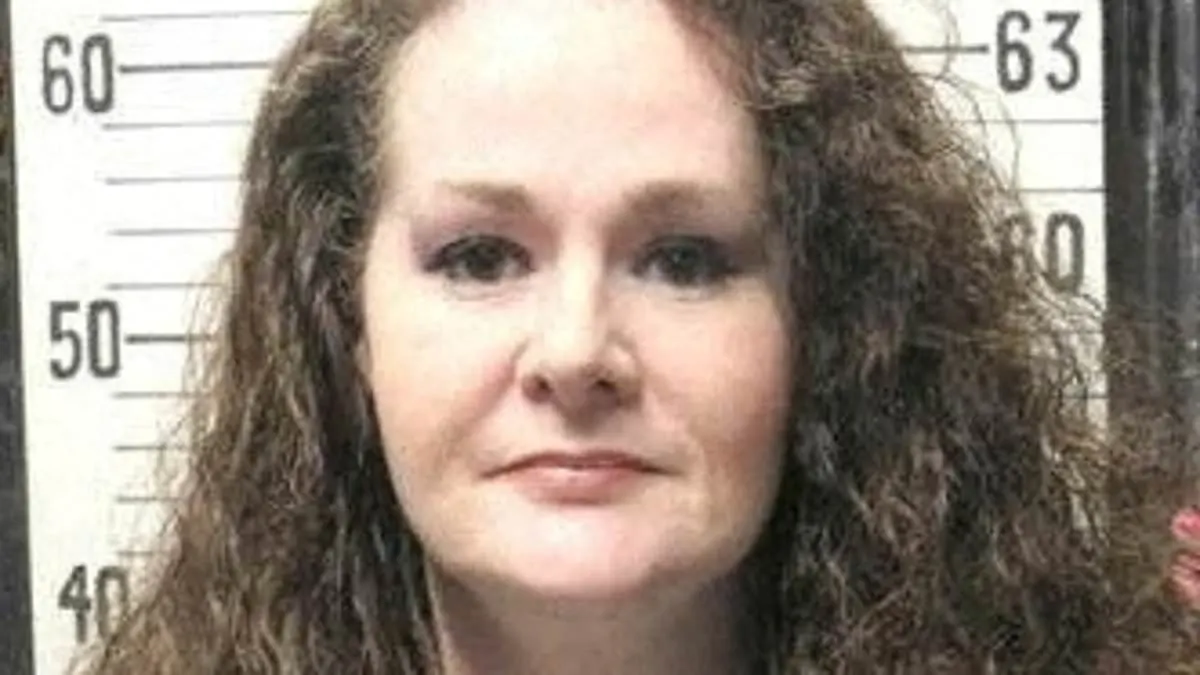
Christa Pike, a 50-year-old death row inmate, is conscious and communicating days after surviving a failed lethal injection in Tennessee, her lawyers confirmed this week. Experts describe her recovery as "medically unprecedented" – she is believed to be the only person ever to survive a lethal injection, raising profound questions about the procedure and whether authorities will attempt to execute her again.
Pike was sentenced to death in 1995 for the murder of 19-year-old Colleen Slemmer, whom she and her then-boyfriend beat and tortured after meeting her at a job training camp. On 30 September, Pike received two doses of pentobarbital requiring at least seven needle insertions; anaesthesiologist Dr Joel Zivot theorises the chemical spread into tissue beneath her skin rather than entering her bloodstream. Tennessee Governor Bill Lee has suspended all executions for the remainder of the year, and the state's prison chief has announced his resignation. Pike remains hospitalised in critical condition; medical experts note significant risks including potential brain injury, and her long-term prognosis remains unclear.
- Death row inmate conscious after surviving lethal injection, first person ever known to survive.
- Tennessee Governor suspends executions for rest of year following the failed procedure.
- Recovery described as "medically unprecedented"; prognosis unclear with risks of brain injury.
New here? Start with this
Christa Pike is a 50-year-old woman on death row in Tennessee. On 30 September, the state attempted to execute her through lethal injection, a procedure where drugs are administered through an intravenous line to cause death. Medical personnel made multiple unsuccessful attempts to insert the needle, causing severe injuries to both her arms, and the execution ultimately failed.
Lethal injection is the most common execution method used in the United States, but it has long faced criticism from medical experts and human rights groups over safety and humaneness. When executions do fail, they raise serious questions about whether the procedure is viable and should be attempted again.
The failed execution in Tennessee has intensified scrutiny of how the state carries out capital punishment and whether lethal injection protocols can be applied safely. The incident highlights ongoing debate amongst legal experts, medical professionals and policymakers about the practicality and ethics of capital punishment in America.
Both sides, in good faith
The strongest fair case each way — we don't pick a winner.
The case for
The failed execution, requiring seven needle insertion attempts and causing severe injuries, demonstrates the inherent difficulties in administering capital punishment humanely. Advocates argue this incident exemplifies why many believe the state should not pursue capital punishment if such procedures inevitably cause extreme suffering, and that efforts to fix technical details miss the broader ethical question of whether a civilised society should execute prisoners at all when the process itself inflicts such trauma.
The case against
This represents a correctable procedural failure rather than an indictment of capital punishment itself. Supporters contend that the appropriate response is to improve execution protocols through better training and methods, similar to how any complex procedure requires refinement when failures occur, and that this technical issue does not negate the validity of lawful sentences or the state's authority to carry them out when procedures are properly conducted.
Full account
Christa Pike, a 50-year-old inmate on Tennessee's death row, remains conscious and able to communicate whilst lying in a hospital bed at Vanderbilt University Medical Centre, according to her legal representatives. Her continued awareness follows a failed execution attempt on 30 September in which state authorities attempted to administer a lethal injection.
The execution procedure proved deeply problematic, with medical personnel making at least seven separate needle insertions over the course of the attempt. As staff struggled to establish intravenous access for administering two doses of pentobarbital, Pike suffered considerable injury to her arms, manifesting as swelling, chemical burns and blistering. During the protracted procedure, Pike reportedly provided suggestions to the injection team about where access might be attempted and expressed concern about her deteriorating physical condition, at one point stating that her limb felt as though it might split open.
Medical specialists and criminological experts have characterised Pike's survival as entirely without precedent in executions involving lethal injection. Whilst seven other death row inmates in the United States have previously survived execution attempts, none involved the successful administration of toxic chemicals—all failed at the access stage. In Pike's case, medical personnel successfully delivered the pentobarbital, yet it proved ineffective, a scenario that specialists describe as having no historical parallel. The medical outlook remains uncertain, with experts emphasising substantial unknowns regarding toxin absorption and long-term recovery prospects.
The failed execution has prompted significant institutional responses. Tennessee's Department of Corrections commissioner announced his resignation, whilst Governor Bill Lee declared a suspension of all executions for the remainder of the calendar year. Pike's legal team has scheduled court proceedings in Nashville and indicated plans to make public statements regarding the matter. Her lawyers have also expressed gratitude towards hospital personnel for their humane treatment of Pike during her recovery.
Where outlets differ
Source 1 emphasises Pike's own statements and experiences during the execution; Source 2 prioritises expert medical and criminological analysis
Source 1 focuses on procedural execution details; Source 2 provides comparative context explaining why Pike's case is uniquely unprecedented
Source 2 features extensive expert testimony on medical uncertainties; Source 1 concentrates on physical trauma and Pike's expressed concerns
Source 2 more prominently covers the governor's suspension of executions; Source 1 emphasises the Department of Corrections commissioner's resignation
Coverage
- Daily Mail — Christa Pike speaks in hospital after Tennessee execution attempt fails
- BBC World — Tennessee prisoner conscious after surviving failed lethal injection, lawyers say