‘Terrorist hijacker’ who tried to undertake ‘Israeli 9/11’ learned to fly in Britain – reports
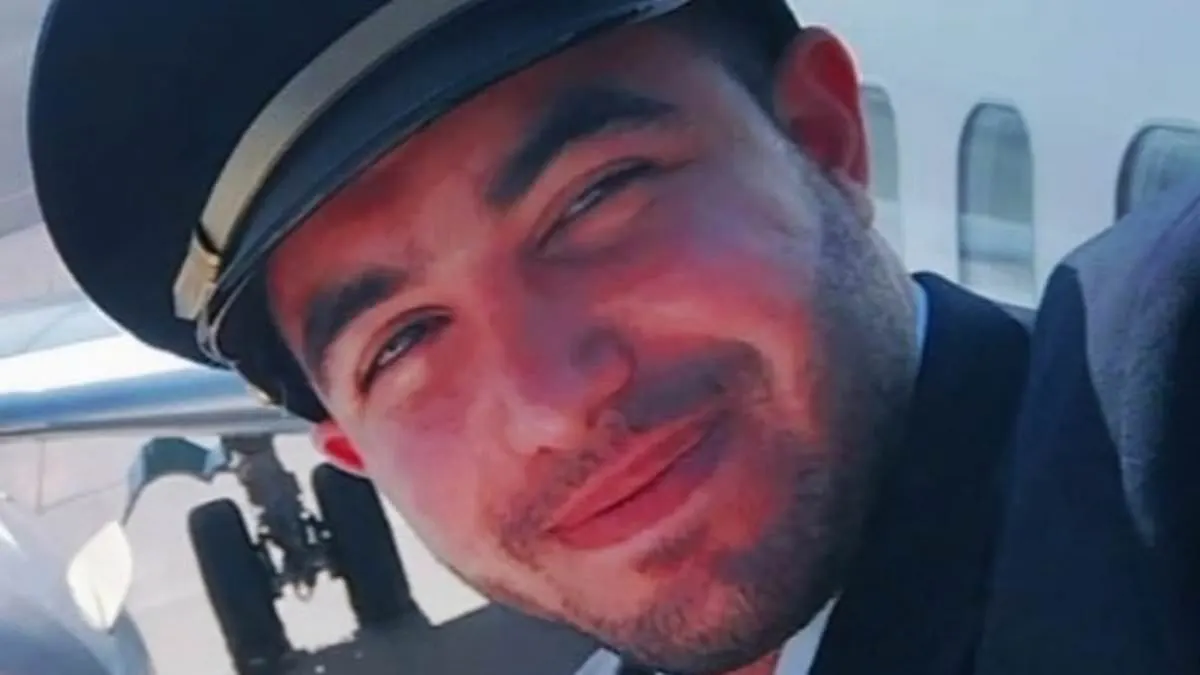
An Omani co-pilot allegedly tried to hijack a Flydubai flight bound for Tel Aviv, injuring the captain with a crash axe before passengers and crew subdued him. Reports say he had trained with a British flight-training company, raising questions about how earlier concerns about his suitability for flying were handled.
The plane dropped 14,000ft in 29 seconds before turning towards Saudi Arabia and landing there. Al Hammami, 29, had previously been removed from flying duties at Oman’s national airline amid concerns about possible radical influences, and studied aviation management by distance learning at Buckinghamshire New University, which says it did not provide pilot training. Israeli officials reportedly prepared for the possibility of shooting down the aircraft if it continued towards Israel; the article says only the prime minister could authorise that action.
- Co-pilot allegedly tried to seize a Tel Aviv-bound flight.
- The aircraft plunged 14,000ft in 29 seconds.
- Reports say he trained at a British flight academy.
New here? Start with this
A co-pilot working for the airline Flydubai allegedly attempted to hijack a passenger aircraft bound for Tel Aviv this week. The man, named as Al Hammami and aged 29, reportedly attacked the captain with a crash axe before passengers and crew subdued him.
The incident has raised questions about how Al Hammami was cleared to work as a pilot, given that he had previously been removed from flying duties at Oman's national airline because of concerns about possible radical influences. Reports indicate he underwent flight training with a British flight-training company, prompting scrutiny of how his background was assessed and whether earlier red flags were properly addressed.
The hijacked aircraft lost thousands of feet in altitude over just seconds before crew regained control and diverted to Saudi Arabia. Israeli officials reportedly considered shooting down the aircraft if it had continued towards Israeli airspace, a decision that would have required approval only from the prime minister.
Both sides, in good faith
The strongest fair case each way — we don't pick a winner.
The case for
This incident exposes serious gaps in aviation security and information-sharing between airlines, training providers, and regulators. When an individual has been flagged for possible radical influences and removed from flying duties, those concerns should follow them into any subsequent training programmes. Stricter vetting procedures, better coordination between organisations, and clearer escalation protocols are essential to prevent potentially dangerous individuals from obtaining pilot credentials and accessing aircraft.
The case against
Whilst concerning, this incident should be examined carefully before attributing blame to regulatory systems. Flight training providers operate within legal frameworks and cannot be expected to access classified intelligence or foreign employment records without clear mechanisms for information-sharing, and responsibility is diffuse across Oman's airline, international authorities, and other agencies. Moreover, the crew and passengers successfully subdued the hijacker, demonstrating that existing safety protocols can mitigate risks even when screening is imperfect.