Tesla owner’s outrage after built-in security camera captures stranger keying her car: ‘Completely shocked’
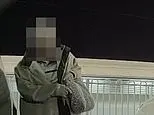
A Tesla owner has expressed shock after her car's built-in security camera recorded a stranger deliberately keying the vehicle, leaving a deep scratch along its bodywork. The footage, captured automatically by Tesla's Sentry Mode system, has reignited discussion about the value of in-car surveillance technology in catching acts of vandalism that would otherwise go unwitnessed and unpunished.
The owner said she was "completely shocked" to discover the damage and even more surprised that her car had quietly documented the culprit in the act. Tesla's Sentry Mode uses the vehicle's external cameras to monitor its surroundings when parked, recording and saving clips when it detects nearby activity, a feature increasingly credited with helping owners identify vandals and pursue action against them.
- Tesla's Sentry Mode camera filmed a stranger keying an owner's car.
- The owner said she was "completely shocked" by the vandalism.
- The footage highlights Tesla's built-in surveillance catching car vandals.
New here? Start with this
Tesla's Sentry Mode is a built-in security feature that uses the electric car's external cameras to keep watch when the vehicle is parked and unattended. If it detects movement or contact nearby, it automatically starts recording, giving owners footage of anyone who tampers with their car.
The feature has become well known for capturing acts of vandalism, theft attempts and minor collisions that would otherwise go unseen, often providing evidence owners can use to identify culprits or support insurance and police reports. Keying, where someone deliberately scratches a car's paintwork with a sharp object such as a key, is a common form of vandalism that is usually difficult to prove or trace back to a specific person without a witness or camera footage.
Cases like this one matter because they highlight both the practical benefits of in-car surveillance for catching wrongdoing, and wider questions about privacy and the growing presence of always-on cameras in everyday public spaces.