Tesla’s Make-or-Break Cybercab Had a Quiet Debut
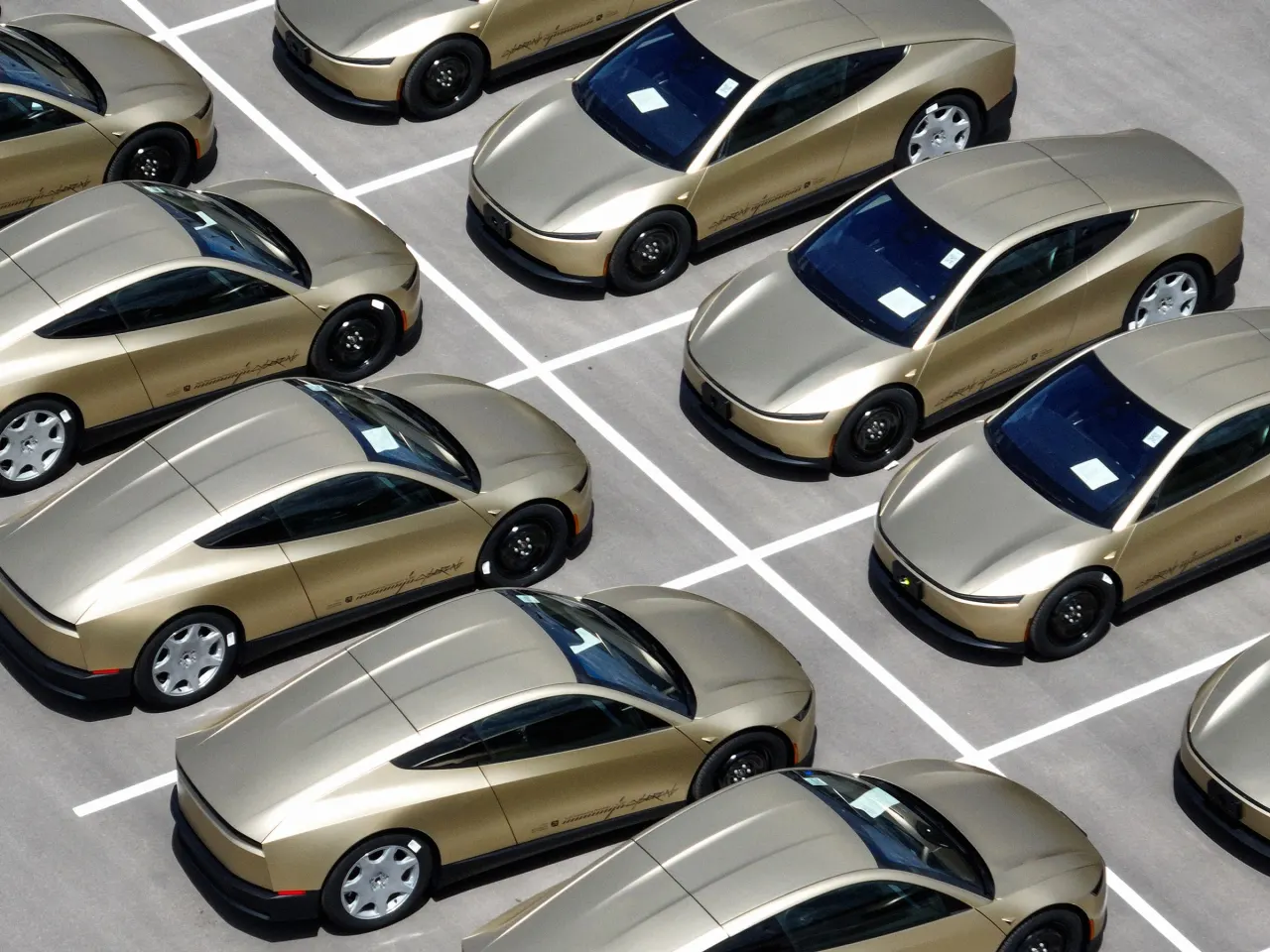
Tesla quietly rolled out its driverless Cybercab on public roads in Austin, a subdued launch marked by no livestream, an embargo on attendee posts, and Elon Musk's absence. The vehicle, a two-seater without a steering wheel or pedals, is central to Tesla's pitch that it should be valued as an AI robotics company rather than a carmaker, with Musk suggesting it could make Tesla worth several times more than Nvidia. However, the company's track record on autonomy targets has repeatedly fallen short of Musk's past promises, and rivals such as Waymo already lead on driverless mileage and permitted operating areas.
Some 45 Cybercabs are now registered on Tesla's Texas robotaxi network, alongside 420 other Tesla robotaxis, with the service also operating in parts of Florida and holding permits for Arizona and Nevada, though California still requires a human driver. Tesla says its fleet has now logged 1 million driverless miles, a milestone Waymo reached back in January 2023. Tesla also plans to sell Cybercabs directly to consumers and let owners run their own robotaxi fleets, though it remains unclear how the vehicles will meet US federal safety rules requiring steering wheels and pedals, unlike Amazon's Zoox, which recently secured an exemption.
- Tesla's driverless Cybercab launched quietly in Austin, without Musk present
- 45 Cybercabs now operate on Tesla's Texas robotaxi network
- Tesla trails Waymo on driverless miles and lacks clear regulatory approval
New here? Start with this
Tesla is a car company led by Elon Musk, which has also invested heavily in software and automated driving. Its Cybercab is a two-seat vehicle designed to travel without a steering wheel or pedals, with Tesla planning to use it as a robotaxi and eventually sell it to consumers.
Tesla’s wider ambition is to make money from self-driving services and present itself as an artificial intelligence and robotics company. That vision matters to investors because it could change how they value the business, but Tesla has repeatedly missed earlier targets for autonomous driving.
Companies such as Waymo already run driverless taxi services in some areas. Rules also affect where such vehicles can operate: US federal safety requirements generally call for steering wheels and pedals, so the Cybercab’s design raises questions about how it can be approved.
Both sides, in good faith
The strongest fair case each way — we don't pick a winner.
The case for
Advocates for Tesla's approach argue that a quiet, low-key rollout is itself a sign of growing maturity, prioritising real-world deployment over Musk's characteristic showmanship. They point to genuinely novel elements, such as a camera-based system without lidar, direct consumer sales, and letting owners operate their own robotaxi fleets, as a potentially more scalable and cheaper path to autonomy than rivals' centrally managed fleets. Reaching 1 million driverless miles and securing permits across several states, they contend, shows tangible progress that justifies patience with the regulatory and manufacturing challenges still ahead, and supports the broader case that Tesla's AI and robotics capabilities deserve a valuation reflecting more than just car sales.
The case against
Sceptics counter that Tesla's repeated history of missed autonomy deadlines under Musk makes bold claims about Cybercab's readiness, and about the company's valuation potential, difficult to take at face value without independent verification. They note that Waymo reached the same driverless mileage milestone over three years earlier and already operates more widely with a mature, safety-validated approach, suggesting Tesla is playing catch-up rather than leading. The unusually guarded launch, with no livestream, an embargo on attendee posts, and Musk's absence, is seen by critics as inconsistent with confidence in a finished product, while the unresolved question of how a vehicle without a steering wheel or pedals will satisfy federal safety rules, absent an exemption like Zoox's, raises real doubts about whether the consumer sales and fleet-ownership plans are currently viable rather than aspirational.