Thames Water plans to restart desalination plant – after drought has ended
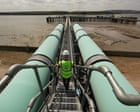
Thames Water is preparing to restart its Beckton desalination plant by the end of the year, despite current drought conditions likely easing before it becomes operational. The move matters because the plant was intended as an emergency water source for London, yet it has rarely operated and is now seen as an expensive, underused asset.
Opened in 2011 at an initial cost of £270m, the plant’s estimated total cost has reached £500m and it has supplied only 7.2bn litres of water—about seven days of London’s daily demand—across 15 years. Thames Water says use will depend on weather, demand and reservoir levels, while high electricity costs, ageing membranes and the company’s financial difficulties could limit its viability.
- Thames Water may restart Beckton’s costly desalination plant by year-end.
- It is unlikely to help during the current drought.
- The plant has supplied only seven days’ demand in 15 years.
Both sides, in good faith
The strongest fair case each way — we don't pick a winner.
The case for
Supporters may argue that restoring the desalination plant is prudent resilience planning, not merely a response to this summer’s drought. A large, densely populated region needs dependable contingency supplies for future dry periods, and bringing an existing asset into working order can reduce the risk of emergency measures later. They may also say that reliability and regulatory readiness matter even if the plant is seldom used, much like other critical infrastructure maintained for exceptional circumstances.
The case against
Critics may argue that spending an estimated £500m on a plant that has operated only five times, and will not be ready until after the immediate drought, suggests poor planning and weak value for customers. They may contend that Thames Water should prioritise fixing leaks, cutting demand and developing cheaper, lower-energy water sources before relying on desalination. From this perspective, the timing reinforces concern that the company is addressing symptoms late while households may ultimately bear the cost.
Art Business Celebrity Companies Culture Entertainment Geopolitics Politics