The 1970s “circus” band Joe Walsh was “really not into”
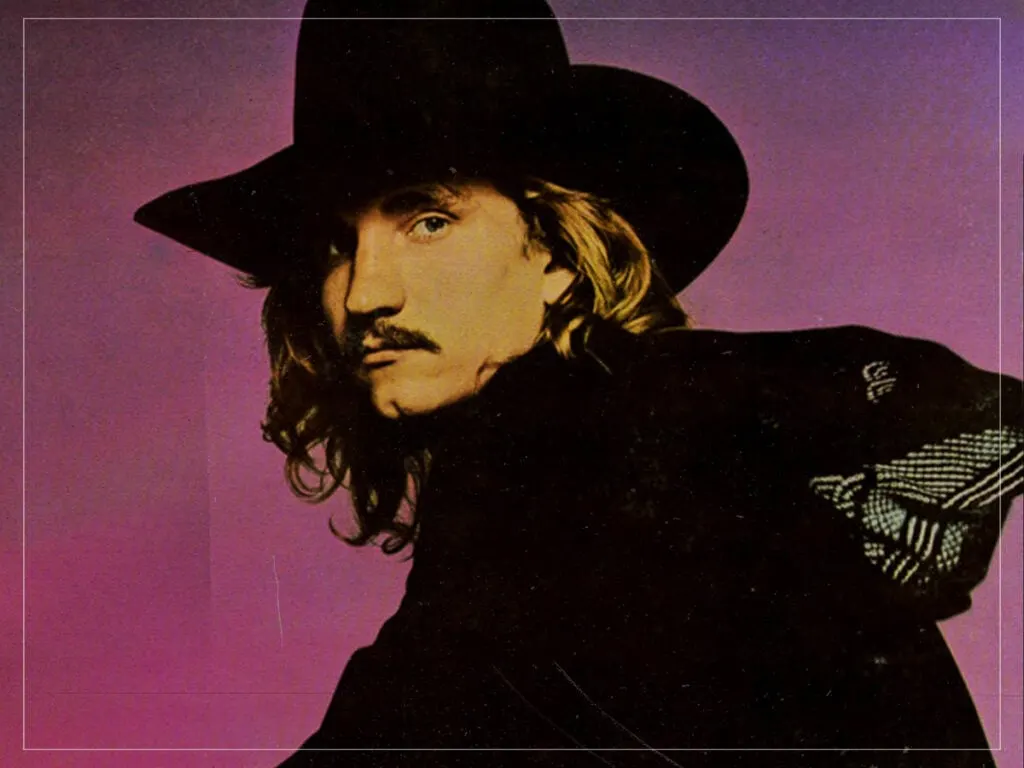
Joe Walsh became the essential dynamic force within the Eagles, combining technical musicianship with infectious showmanship that complemented the band's more reserved frontmen. His guitar work, songwriting and willingness to entertain elevated the band's performances and credibility as a rock outfit. Through collaboration with Glenn Frey and Don Henley, Walsh also matured considerably as a songwriter, bringing greater depth to his compositions. Nevertheless, Walsh maintained clear artistic principles about what authentic rock and roll should represent.
Walsh was notably critical of theatrical rock acts such as Kiss, viewing them as having swapped genuine musicianship for manufactured spectacle. He respected technical ability but felt the theatrical "circus" atmosphere contradicted rock and roll's core purpose. In his view, rock should deliver quality players performing quality music that audiences could personally connect with, rather than presenting musicians as larger-than-life theatrical entities. Whilst acknowledging some of his own compromises, Walsh remained committed to letting musical substance, not branding or visual presentation, define his artistic identity.
- Joe Walsh criticised theatrical rock bands like Kiss for replacing musicianship with spectacle
- He believed rock should showcase skilled musicians performing quality songs audiences could relate to
- Walsh valued authenticity and artistic integrity over theatrical presentation and manufactured imagery
New here? Start with this
Joe Walsh was a guitarist and songwriter who became a key member of the Eagles, one of the most successful rock bands of the 1970s. He brought both technical skill and a natural showmanship that helped define the band's sound, working alongside other major figures in rock music during an era when the genre commanded massive audiences and cultural influence.
During the same period, rock music was developing in different directions. Some bands, notably Kiss, embraced elaborate stage presentations featuring costumes, makeup and theatrical effects as central to their identity, treating rock concerts as spectacular visual experiences. This created a divide between musicians about what rock music fundamentally should be.
Walsh was openly critical of this theatrical approach. He believed authentic rock should be built on musical substance and the genuine skill of the players, rather than visual presentation and manufactured imagery. For Walsh, the connection between musicians and audiences should come through the quality of the music itself, not from costume design or stage effects. This reflected a deeper philosophical disagreement in rock music about whether artistry should be defined by musicianship or showmanship.
Both sides, in good faith
The strongest fair case each way — we don't pick a winner.
The case for
Rock and roll's true power derives from musical excellence and genuine artistic expression. When musicians prioritise technical proficiency and meaningful songwriting, audiences connect with authentic artistry rather than manufactured image. Theatrical presentation can distract from what should be the primary focus—the quality of performance and composition—and ultimately undermines the credibility of the music itself.
The case against
Rock and roll has always encompassed complete artistic expression, and visual presentation is a legitimate creative dimension. Theatrical staging, costumes and spectacle can enhance the audience experience and emotional impact without contradicting musicianship. Artists who combined genuine technical skill with theatrical vision created powerful performances that moved audiences; entertainment value and musical substance need not be opposed but can strengthen each other.