Entertainment news and discussion on TalkFuse.
The 1974 movie Paul Newman couldn’t stand making: “That was his idea of a giant sellout”
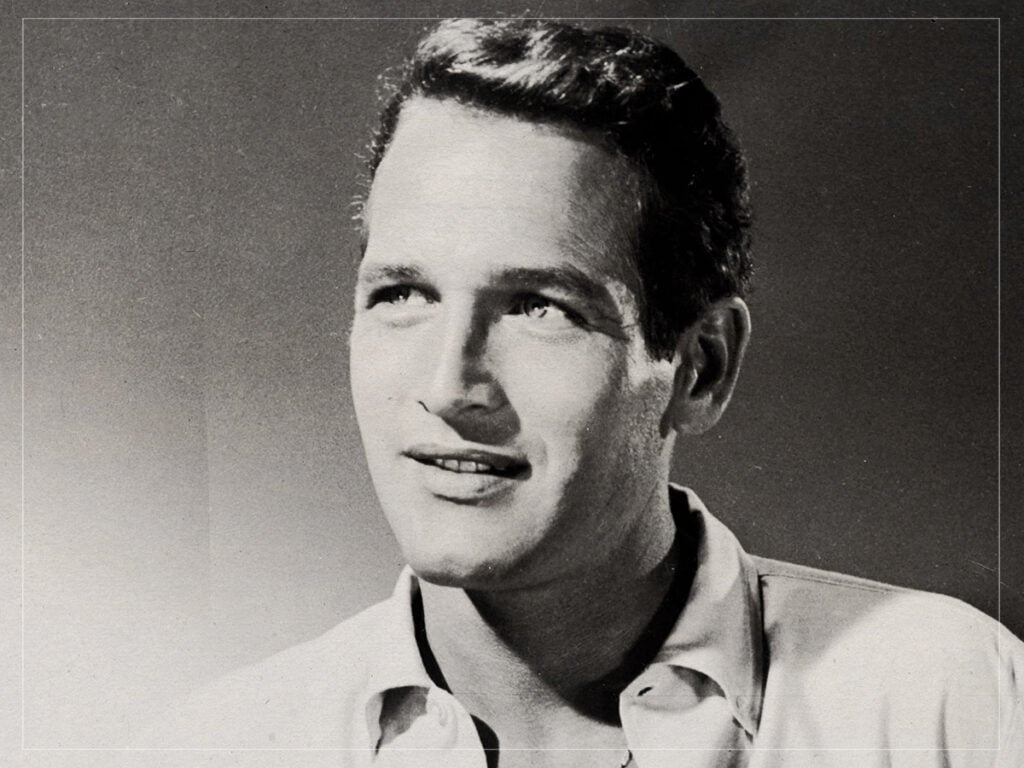
Paul Newman appeared in The Towering Inferno (1974), a major studio disaster film pairing him with Steven McQueen and Faye Dunaway. The production united 20th Century Fox and Warner Bros, employed two directors for different sequences, and was designed as a prestige event capitalizing on its stars' combined prominence.
Newman subsequently expressed significant regret about the role, as documented in Ethan Hawke's recent documentary series. Newman had built his career selecting roles that offered emotional or moral complexity rather than pure spectacle, and he experienced genuine distress during production over what he perceived as a commercial sellout—a conflict between financial stability and artistic integrity that extended beyond the film industry's typical paycheck-driven compromises.
In short
- Paul Newman starred in the 1974 disaster film The Towering Inferno but deeply regretted it, viewing the commercially-driven project as artistically compromising
- Newman prioritized emotionally complex dramatic roles over spectacle-driven films, making his participation in this high-budget action picture a painful professional compromise despite its commercial success
Steelman: both sides, in good faith
The strongest fair case each way — we don't pick a winner.
The case for
Commercial cinema is a legitimate art form deserving serious craftsmanship and major talent. The Towering Inferno was a prestige production that employed significant artistry and served audiences effectively. An accomplished artist can participate in popular entertainment without compromising overall integrity or legacy. Newman's participation contributed to a quality film, and diverse projects—including commercially focused ones—are a normal part of a sustained creative career.
The case against
An artist who deliberately built a career selecting roles with emotional and moral complexity has valid reason to feel they compromised when accepting a part designed primarily for spectacle and commercial appeal. Newman's genuine distress reflected sincere artistic principles—a commitment to meaningful work over financial security. His regret captures a real and honourable tension many serious artists face between commercial viability and artistic integrity. His judgment that the film represented a departure from his values is understandable given his established philosophy.
Explained simply
The Towering Inferno was a 1974 disaster film starring Paul Newman, Steve McQueen and Faye Dunaway. It was a major studio undertaking, produced jointly by 20th Century Fox and Warner Bros with two directors handling different sequences, designed as a prestige event capitalising on the combined prominence of its stars.
Throughout his career, Newman had carefully selected roles that offered emotional and moral depth rather than spectacle. He experienced genuine distress during the making of The Towering Inferno, viewing it as a commercial sellout that conflicted with his artistic principles—a tension between financial security and the kind of substantive work he had come to prioritise in his career.