US growth has continued as carbon emissions fell since 2008
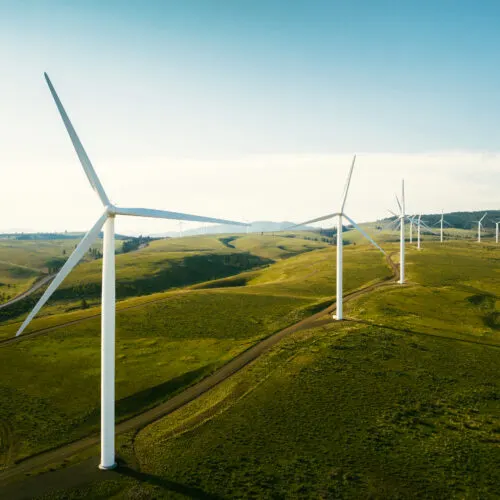
The 2008 financial crisis created a turning point in the US economy's relationship with carbon emissions. For decades, economic growth and fossil fuel consumption rose together, but since 2008 the US has achieved declining carbon emissions alongside continued economic growth, a phenomenon economists describe as "opening the scissors." Sweden provided an earlier example, cutting carbon emissions by a third since 1996 whilst more than doubling its GDP through renewable and nuclear power.
The US has followed a similar trajectory since 2008, with carbon emissions trending downward despite year-to-year fluctuations, whilst economic growth remained steady outside pandemic years. However, experts warn the emissions decline is not steep enough to prevent severe climate impacts, and emerging challenges including energy-intensive data centres and political opposition to renewable energy could undermine future progress.
- US emissions and economy finally decoupled after the 2008 financial crisis.
- Emissions are falling, but not rapidly enough to avoid climate damage.
- Emerging challenges like data centres and policy changes threaten further improvements.
Both sides, in good faith
The strongest fair case each way — we don't pick a winner.
The case for
The continued decoupling of economic growth from carbon emissions since 2008 demonstrates that environmental protection and economic prosperity are genuinely compatible. This validates technological innovation and market-based solutions as effective climate strategies, suggesting that sustained investment in renewable energy, efficiency improvements, and new technologies can achieve necessary emissions reductions whilst preserving economic growth and living standards without requiring economically disruptive systemic transformation.
The case against
Consumption-based carbon accounting—which attributes embedded emissions from outsourced manufacturing to consuming nations—reveals that America's true carbon footprint remains substantial and largely unchanged. Moreover, the current pace of decline is far too slow given climate science's urgent warnings; celebrating this modest progress risks reducing political will for the fundamental economic restructuring actually required, suggesting misplaced confidence in incremental market-driven approaches alone.
Americas Business Climate Economy Science World
Read the full article at the source →
Originally published by Ars Technica as “The 2008 economic crisis changed the US’s relationship with energy”.