Nvidia raises Shield TV Pro price by $100 amid AI-driven component costs
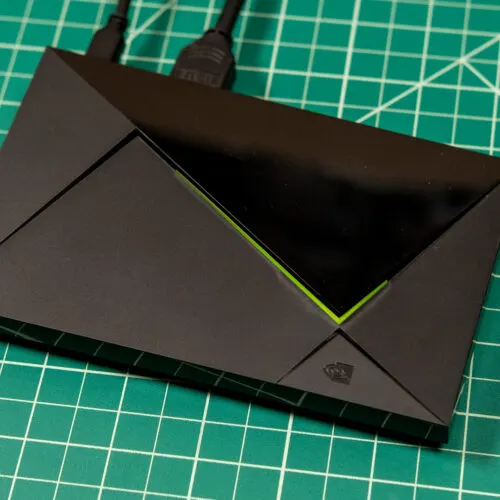
Nvidia has increased the price of the Shield TV Pro from $199.99 at its 2019 launch to $299.99, effective immediately. The company attributes the $100 price hike to substantially increased component costs across the industry, particularly memory, driven by the surge in generative AI demand. This price rise affects a device with seven-year-old technology inside, illustrating how AI's demand for chips has disrupted technology supply chains across the board.
The Shield TV Pro runs an aging Tegra X1+ processor but remains adequate as a streaming device with extensive codec support and Plex server capability. Nvidia has no stockpile of pre-AI era components to sell, so new units face the same supply chain pressures as modern smartphones and computers. The higher price makes the already niche set-top box less compelling for casual viewers who can opt for cheaper streamers, though it will likely encourage Nvidia to manufacture more units given the improved profit margin.
- Nvidia Shield TV Pro price rises by $100 to $299.99 due to AI-driven component costs
- Seven-year-old streaming device affected by modern supply chain pressures
- Niche device becomes less appealing to casual consumers at higher price
New here? Start with this
Nvidia, the technology company best known for making computer chips, has increased the price of its Shield TV Pro streaming device by $100 to $299.99. The price rise illustrates a wider problem affecting the technology industry: demand for artificial intelligence chips has strained global supplies of electronic components, pushing up costs across manufacturing. This means even older devices are becoming more expensive when companies need to replace worn-out parts or manufacture new units.
The Shield TV Pro is a specialised streaming box that lets people watch films and television shows on their existing televisions. Although it uses processor technology from 2015, it remains popular with enthusiasts because it supports many different video formats and can serve as a home media server. The device faces competition from cheaper streaming options such as Amazon Fire TV and Roku devices.
The price increase matters because it shows how artificial intelligence's demand for computer chips has ripple effects throughout the technology supply chain. Companies cannot rely on stockpiles of older, cheaper components—they must buy new ones at current prices. For Nvidia, the higher price may discourage casual buyers but could improve profits if people continue to purchase the device.
Both sides, in good faith
The strongest fair case each way — we don't pick a winner.
The case for
Nvidia faces genuine, industry-wide increases in component costs driven by AI demand that cannot be simply absorbed or circumvented, and the company lacks stockpiles of cheaper legacy components for new manufacturing runs. Maintaining product availability requires pricing that reflects actual costs and allows reasonable profitability. The company's transparency about cost drivers is commendable, and the Shield TV Pro remains functionally capable for consumers who value its specific features.
The case against
A $100 price increase represents a substantial 50% markup on a device with seven-year-old technology, affecting customers with limited alternatives who cannot purchase the same capabilities elsewhere. Rather than passing the full cost burden to consumers, Nvidia could have redesigned the product with cost-competitive modern components, absorbed some costs through margin adjustments, or discontinued the line gracefully. The higher price ultimately harms the market by reducing accessibility for an already-niche product, potentially limiting Nvidia's long-term presence and ability to invest in this category.
AI Entertainment Technology TV
Read the full article at the source →
Originally published by Ars Technica as “The 7-year-old Nvidia Shield TV is now $100 more expensive thanks to AI”.