The biggest issues with delivery robots are exactly what you’d think
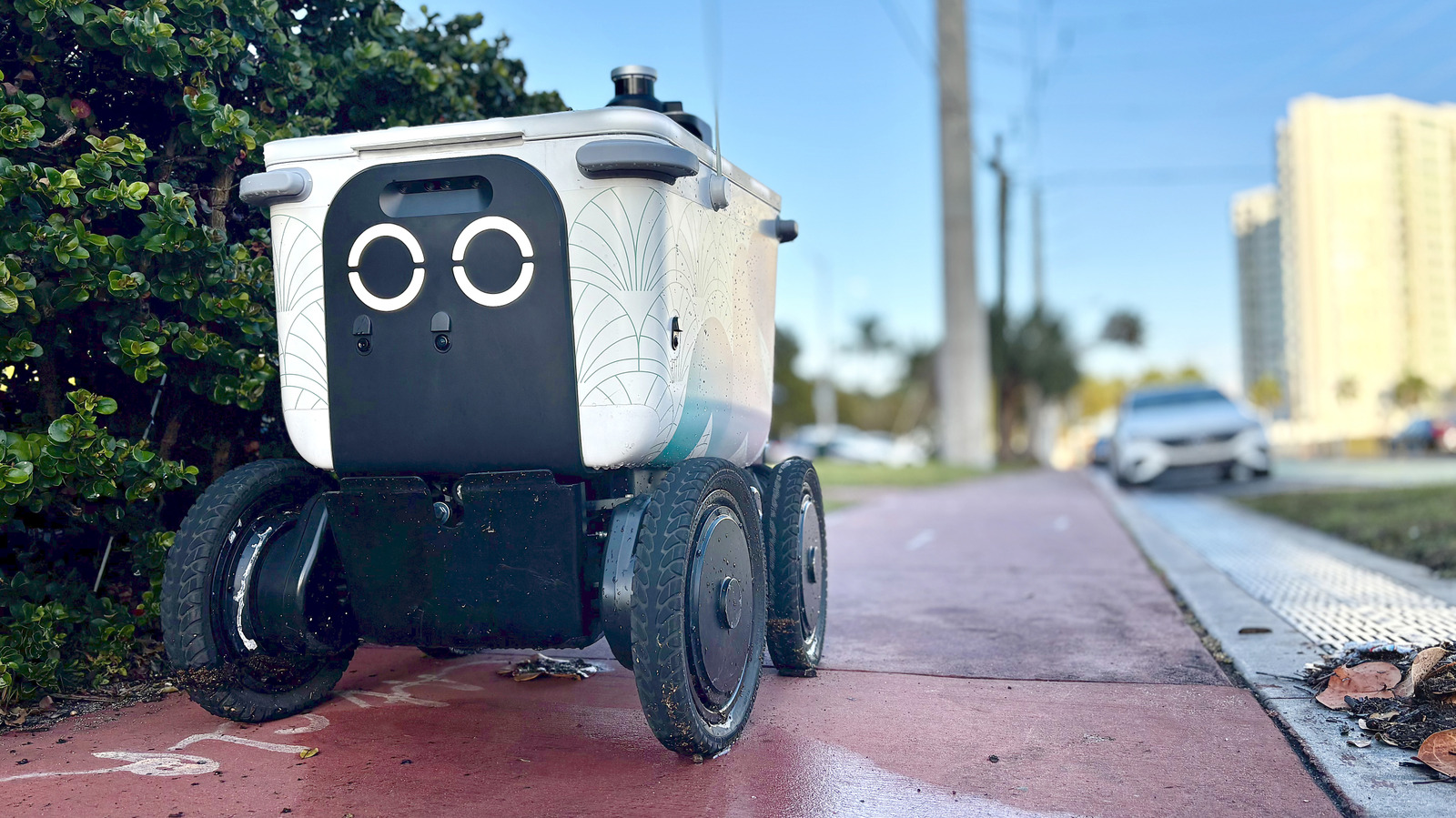
Engadget examines why delivery robots, now operating in more than 80 cities worldwide since pioneer Starship Technologies launched in Estonia in 2014, are increasingly causing friction on pavements. Most operators, including Serve Robotics, Coco Robotics, Delivers.AI and DoorDash's in-house fleet, have shifted from human-supervised units to largely autonomous robots guided by cameras, sensors and GPS, but these systems often fail to cope with real-world obstacles such as broken pavements, roadworks and crowded outdoor seating areas, leading to stalls, property damage and even injuries to pedestrians, including one case where a man in New Jersey suffered a broken shoulder and head injury after being struck by a robot.
Regulation has largely failed to keep pace, with many US states classing delivery robots as pedestrians and few areas imposing meaningful restrictions, though cities including Chicago, San Francisco and Toronto have begun introducing curbs or bans. Despite the problems, the sector is forecast to grow sharply, with Transforma Insights predicting 559,000 automated urban delivery vehicles worldwide by 2035, up from 28,000 in 2025, a trend that could further squeeze gig-economy delivery workers even though robots' roughly two-mile range currently limits them to dense urban areas.
- Delivery robots are causing pavement obstructions, accessibility issues and some injuries.
- Regulation is patchy; several cities are now restricting or banning them.
- Robot delivery numbers are forecast to rise nearly twentyfold by 2035.