The Complicated Case of Passing On Your Digital Estate
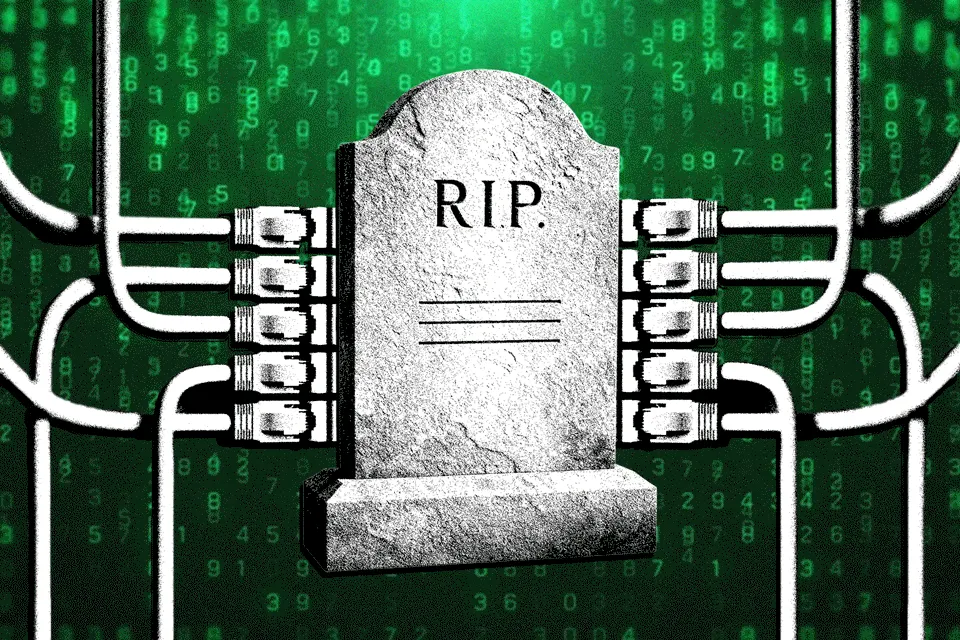
Managing a deceased or incapacitated person's online accounts, from cloud storage to social media to cryptocurrency, has become a growing headache for grieving families, particularly when no advance planning has taken place. Wired's guide explains that without a clear inventory of digital assets and instructions for what should happen to them, survivors often have no way of knowing what exists, let alone how to access or close accounts, making forward planning increasingly important as more of life's value moves online.
In the US, digital inheritance falls under state law via the Revised Uniform Fiduciary Access to Digital Assets Act (RUFADAA), now enacted in 48 states plus Washington DC and the US Virgin Islands, with Massachusetts and Louisiana handling things differently. The law recognises that digital property, unlike physical mail, may include private message histories the deceased expected to stay confidential, and it works alongside the federal Stored Communications Act, which bars companies from releasing account contents without permission. A named fiduciary can typically close accounts, but can only access private content such as emails, photos and messages if the deceased explicitly granted that authority in advance; assets like cryptocurrency held in a private wallet with no shared key are simply lost forever.
In short
- Digital estate planning is essential but often overlooked before death
- US law (RUFADAA) governs fiduciary access to a deceased person's online accounts
- Without explicit permission, private content and unshared crypto keys can be lost
Steelman: both sides, in good faith
The strongest fair case each way — we don't pick a winner.
The case for
Families require practical access to manage the digital estates of deceased relatives, recover valuable assets, and preserve meaningful memories. The current legal framework creates perverse outcomes where cryptocurrency is lost forever and executors cannot access emails needed for estate settlement, essentially denying families the same management rights over digital property they have always exercised over physical assets. Respecting a deceased person's wishes is important, but most would reasonably expect their closest family members to access their accounts after death for legitimate purposes.
The case against
Privacy is a fundamental right that individuals establish through their choices during life, and those autonomous decisions should be respected rather than overridden for convenience after death. The current protections guard against significant harms: abusive family members accessing private communications, exploitation of deceased persons' intimate thoughts, and vulnerable people being pressured into sharing access. The appropriate solution lies in advance planning and designated fiduciaries, which empowers individuals to make their own choices about their digital legacy rather than assuming families should have automatic access to private communications.
Explained simply
People increasingly store important information and value online, including photos, email, social media accounts and cryptocurrency. When someone dies or becomes unable to manage their affairs, family members may not know which accounts exist or how to deal with them.
In the United States, state laws govern much of this process, alongside federal rules that protect private communications. A person can name someone to handle their digital affairs, but permission to close an account does not necessarily include permission to read its contents.
Planning ahead can help families know what accounts exist and what should happen to them. Some digital assets, such as cryptocurrency in a private wallet, may be impossible to recover if nobody else has the access key.