The frat omertà: Whistleblower warns of ‘code of silence’ after Ole Miss deaths, alleged Penn State coke ring
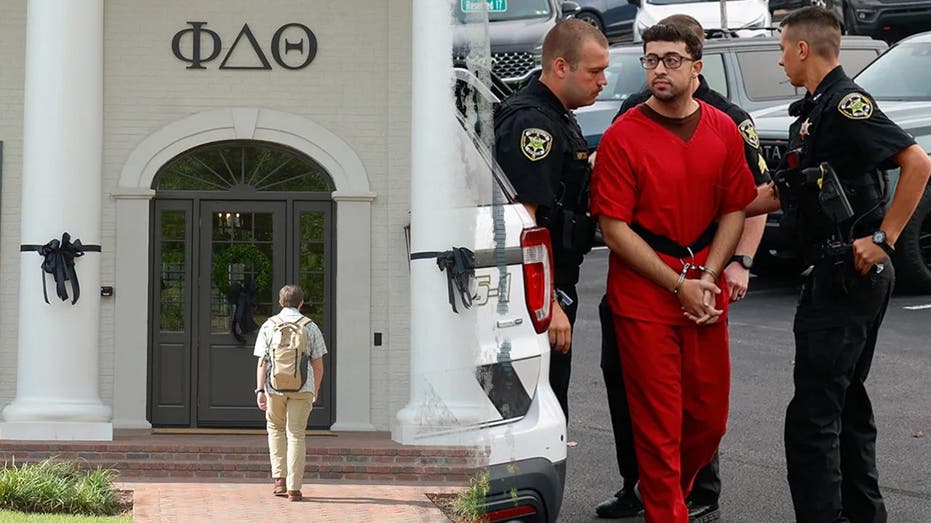
Fraternity hazing survivor Andrew Lohse says a “code of silence” can allow some university fraternities to operate like criminal organisations, following deaths at Ole Miss, an alleged cocaine ring at Penn State and a suspected hazing incident in Wisconsin. He argues that secrecy and group loyalty can obscure misconduct and make it harder for victims or witnesses to report abuses.
At Ole Miss, two students, including Phi Delta Theta member Ryan Strang, were found dead at separate locations, where authorities recovered packages of kratom; its role in the deaths remains unclear, and the fraternity has not been accused of wrongdoing. Prosecutors allege that Penn State pledges were coerced into cutting and packaging cocaine in a scheme allegedly led by former Sigma Chi member Agostino Abbatiello, while Madison police are investigating claims that around 30 young men were subjected to degrading and possibly violent hazing at an Alpha Epsilon Pi house, with two arrests reported.
- Lohse warns fraternity secrecy can conceal serious wrongdoing.
- Two Ole Miss deaths remain under investigation.
- Penn State and Wisconsin cases involve alleged criminality or hazing.