The opposite of ‘damsels in distress’: how TV fell in love with female gangsters
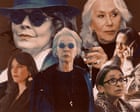
Television's gangster genre is increasingly putting women at its centre, with shows such as Netflix's The Gentlemen, Black Doves and Paramount+'s MobLand featuring female characters who wield criminal power on equal or greater terms than their male counterparts, rather than being sidelined as girlfriends or sidekicks. The shift matters because it marks a departure from the genre's traditionally macho framing, giving audiences a closer look at female motivations for violence and crime, and adding new depth and subversive edge to a well-worn format.
The trend has been highlighted by speculation that the Duchess of Sussex, Meghan, may join season three of The Gentlemen, whose second season returns this week. In the show, Kaya Scodelario's character Susie Glass runs a cannabis empire and holds authority over her male co-star, Theo James, breaking from the usual "damsel in distress" mould. Other examples include Kathryn Hunter and Tracey Ullman's characters in Black Doves, Helen Mirren's mob matriarch in MobLand, and earlier archetypes such as Helen McCrory's Polly Gray in Peaky Blinders and Youn Yuh-jung's role in Beef, with newer portrayals, such as Martha Kelly's drug boss in Euphoria, further evolving the traditional "matriarch" stereotype.
- Female gangster characters are gaining prominence and depth on TV.
- Netflix's The Gentlemen, Black Doves and MobLand lead the trend.
- Meghan reportedly discussed joining The Gentlemen's third season.