The population changes in your area: Interactive tool reveals births, deaths and immigration levels where you live, as number of people in UK hits 69.5m
The UK's population reached a record 69.5 million in mid-2025, though growth has slowed dramatically to just 0.33 per cent annually – the lowest rate since 1998 outside the pandemic year. Whilst 71 per cent of local authorities (257 out of 361) experienced population increases, the slowdown reflects a sharp decline in net migration and the lowest birth rate in over four decades, raising questions about future demographic trends.
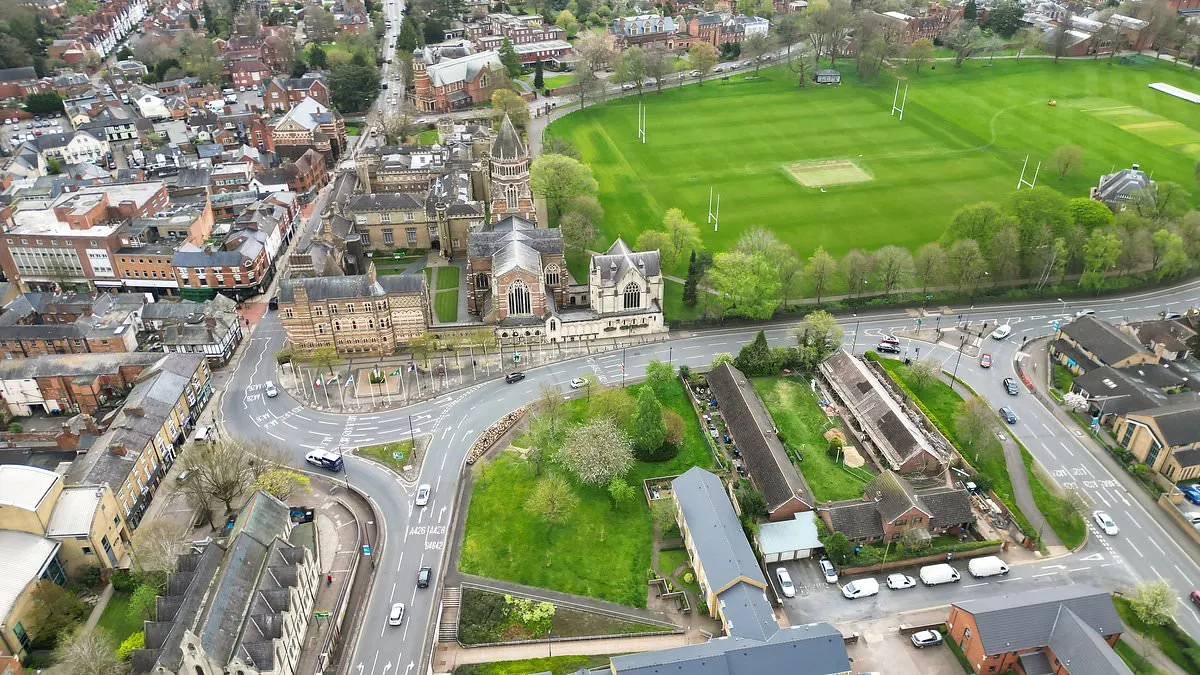
Net migration fell steeply to 222,900 in the year to mid-2025, down from 651,700 the previous year, accounting for most population growth. Natural change (births minus deaths) contributed only 4,900 people, with 652,400 births recorded – the lowest in more than four decades – against 647,500 deaths. Rugby in Warwickshire saw the largest proportional increase at 2.39 per cent, whilst the Isles of Scilly experienced the steepest fall at 3.52 per cent. ONS projections suggest deaths could outnumber births annually from 2026 onwards, with the UK population potentially beginning to decline from the mid-2050s.
- UK population reaches 69.5m but growth slows to lowest since 1998
- Net migration drops sharply; births fall to 40+ year low
- Deaths projected to outnumber births from next year
New here? Start with this
Britain's population has reached its highest ever level, but the rate of growth has slowed considerably. Population figures matter because they shape planning for housing, schools, hospitals and services. Understanding what is driving this slowdown helps explain current discussions about immigration and demographic change.
Two key trends are causing the slowdown. One is that fewer people are moving to the UK from abroad than in previous years, after a period when immigration was driving most population growth. The other is that the number of births has fallen to its lowest level in more than four decades, whilst deaths are rising, so natural population growth has become much smaller.
These developments raise questions about the future UK workforce, the funding of pensions and services, and how different regions will adapt. This is why government officials and local authorities monitor population changes carefully to plan ahead.