Foldable phones offer larger screens and flexible use, but cost more
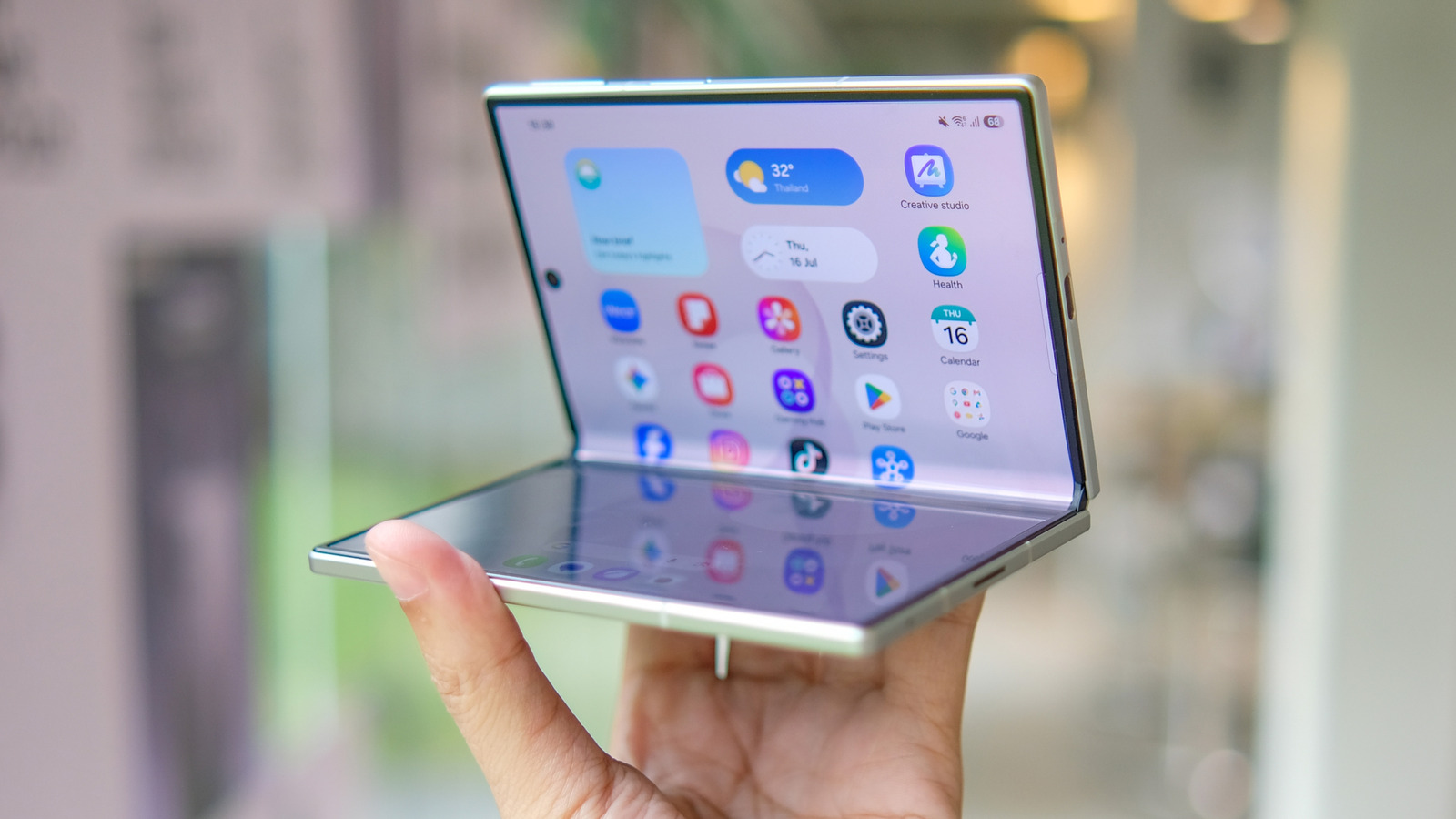
Foldable phones, offered by major manufacturers including Apple, Google and Samsung, are gaining consumer interest as the category grows beyond its current 2 per cent market share. Despite their £2,000+ price tag, 59 per cent of smartphone owners express interest in the category, signalling potential market expansion as consumers weigh the premium cost against the devices' novel features and capabilities. The decision to purchase ultimately depends on individual needs and priorities.
Foldable phones offer significant advantages, including displays up to 8 inches for enhanced productivity, distinctive physical feedback through their transformative design, flexible usage modes (functioning as phone, tablet, mini-laptop or camera tripod), and optimised multitasking capabilities. However, notable disadvantages include durability concerns—no current models last indefinitely, and visible creases can develop—along with weight issues (popular U.S. models exceed 200 grammes), inferior camera systems compared to premium smartphones, inconsistent app optimisation, and prohibitively expensive repairs (devices are currently classified as "not repairable"). Foldables suit users seeking larger displays for work and multimedia without budget constraints, but remain unsuitable for those who are heavy-handed with devices, dependent on incompatible apps, prioritise camera quality or require affordable options.
- Foldable phones are growing but remain niche at 2 per cent market share globally
- Durable concerns, weight and poor cameras offset the larger display advantages
- Best for productivity-focused users; traditional phones better for most consumers
Read the full article at the source →
Originally published by Engadget as “The pros and cons of using a foldable phone”.