The pros and cons of using a TV as your computer monitor
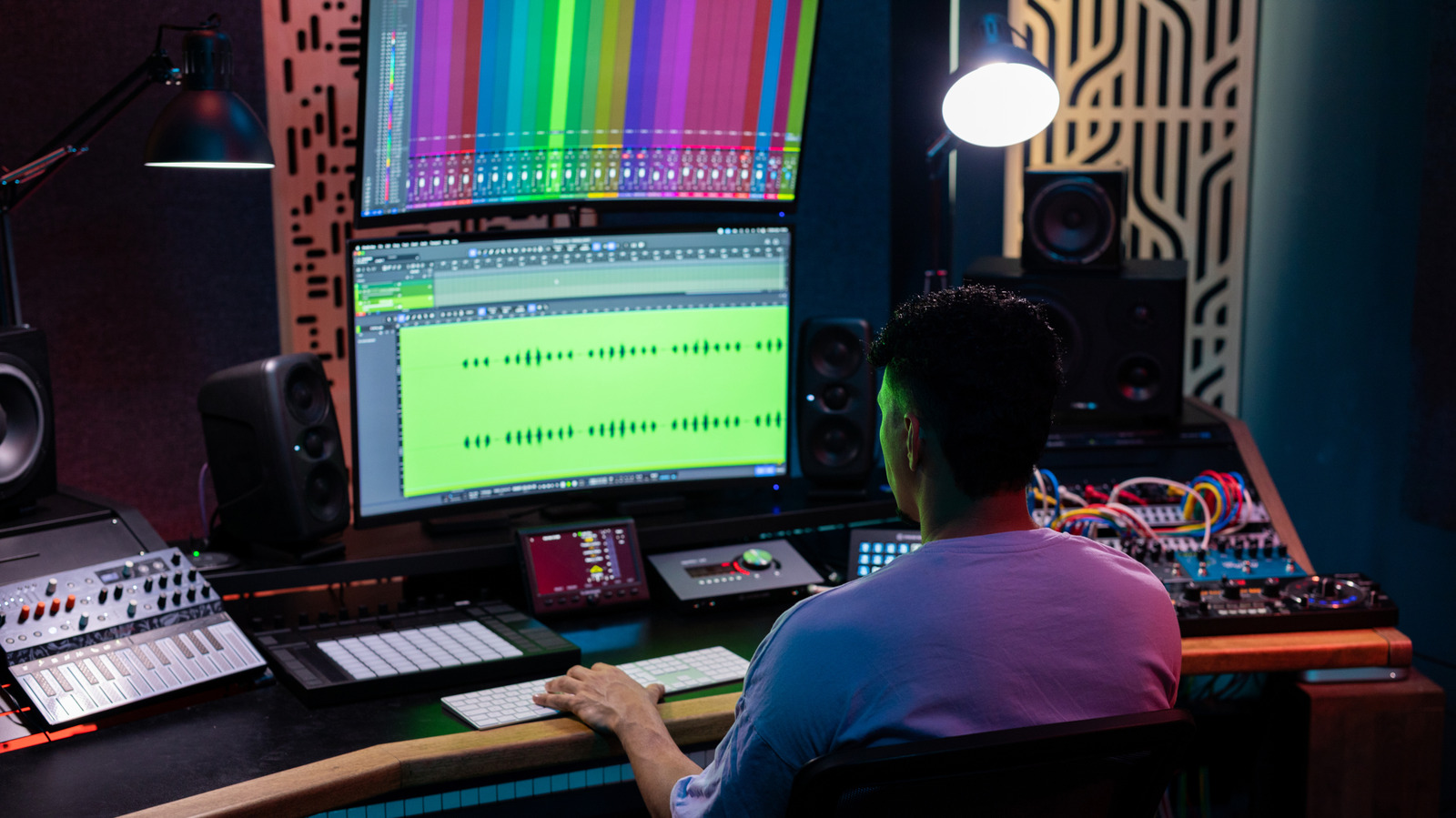
Choosing between a monitor and a TV for computer use isn't simply a matter of screen size, as the two are built for different purposes and each brings meaningful trade-offs for work or gaming. TVs are cheaper and larger, making them tempting alternatives to dedicated monitors, but they generally fall short on responsiveness and pixel density, which matter far more for tasks performed up close, such as reading text or playing fast-paced games.
Key technical differences include pixel density (a 32-inch 4K monitor offers 137 pixels per inch versus just 80 on a similarly specced 55-inch TV, making text and icons blurrier on large TVs), refresh rates (monitors more commonly offer fast 120Hz options at lower prices), and input latency (1-4 milliseconds on monitors compared with 9-12 milliseconds on typical TVs, which can hurt online gaming performance). Colour depth can also be limited on older or cheaper TVs with HDMI 2.0, restricting them to 8-bit colour, whereas HDMI 2.1-equipped displays support richer 10-bit and Dynamic HDR output. However, TVs do have advantages, notably built-in upscaling processors that enhance image quality, which can benefit certain types of content over a standard monitor's untouched output.
- TVs are cheaper and bigger, but not built like monitors
- Monitors win on pixel density, refresh rate and input latency
- TVs offer better upscaling but often weaker colour depth