Shepherd’s Bush campaigners face threats as Uxbridge Road shops decline
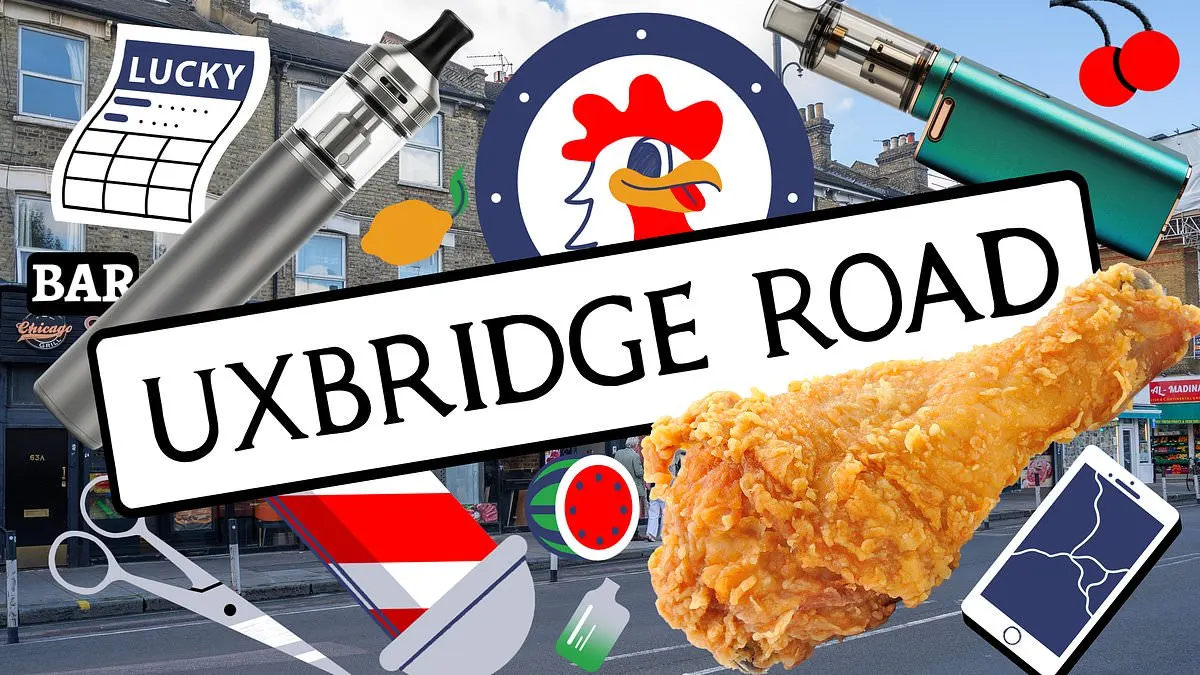
Uxbridge Road in Shepherd’s Bush has lost its last bank and seen independent shops replaced by takeaways, money-transfer businesses, barbers and vape shops. The article presents it as an example of wider concern about declining high streets, while reporting that local campaigners trying to improve the area have faced death threats.
The writer counts 33 fast-food outlets, including Nando’s, and 11 barbers along a half-mile stretch, often with few customers observed. Locals describe some cafés as places where women may feel unwelcome, and business owners fear the area’s decline will continue. The government has announced a £210 million package for councils to redevelop derelict town-centre buildings.
- Shepherd’s Bush’s Uxbridge Road has lost its last bank.
- The writer counts 33 takeaways and 11 barbers along the stretch.
- Local campaigners say they have faced death threats.
New here? Start with this
Uxbridge Road in Shepherd's Bush, west London, used to have a mix of independent shops and a bank. In recent years, the bank closed and independent shops have been replaced by takeaway restaurants, barber shops, money-transfer businesses and vape shops.
This change reflects a wider pattern affecting British high streets, where independent retailers and banks have closed across many towns and cities. The concentration of these particular types of business has raised concerns about whether residents can access the services they need.
Local campaigners have been trying to improve the area, though some have faced threatening behaviour. Business owners are concerned that decline will continue without intervention.
Both sides, in good faith
The strongest fair case each way — we don't pick a winner.
The case for
High streets should maintain diverse, independent businesses and community vibrancy. The concentration of takeaways, money-transfer services, and barber shops reflects market failure rather than healthy competition—the loss of the bank and lack of varied retail have harmed the area's ability to serve residents' diverse needs and community identity. Investment to revitalise such areas and create inclusive public spaces is warranted.
The case against
The prevalence of takeaways, money-transfer services, and barber shops reflects genuine market demand from the local population—these businesses thrive where people actually use them. Intervention to mandate a diverse high street imposes a nostalgic vision of retail unsuited to modern needs and ignores consumer preferences. Communities benefit most from shops that respond directly to what residents want and can afford, rather than from forced diversity that may crowd out services people rely on.
Americas Business Culture Elections Food Markets Politics World
Read the full article at the source →
Originally published by Daily Mail as “The shabby West London street plagued by 33 fast food restaurants, 11 barbers and tacky vape shops… and the campaigners facing death threats in their fight to turn it around: ROBERT HARDMAN”.