‘The Sopranos’ Best Tony Moment Comes From a Near-Perfect Season 6 Episode
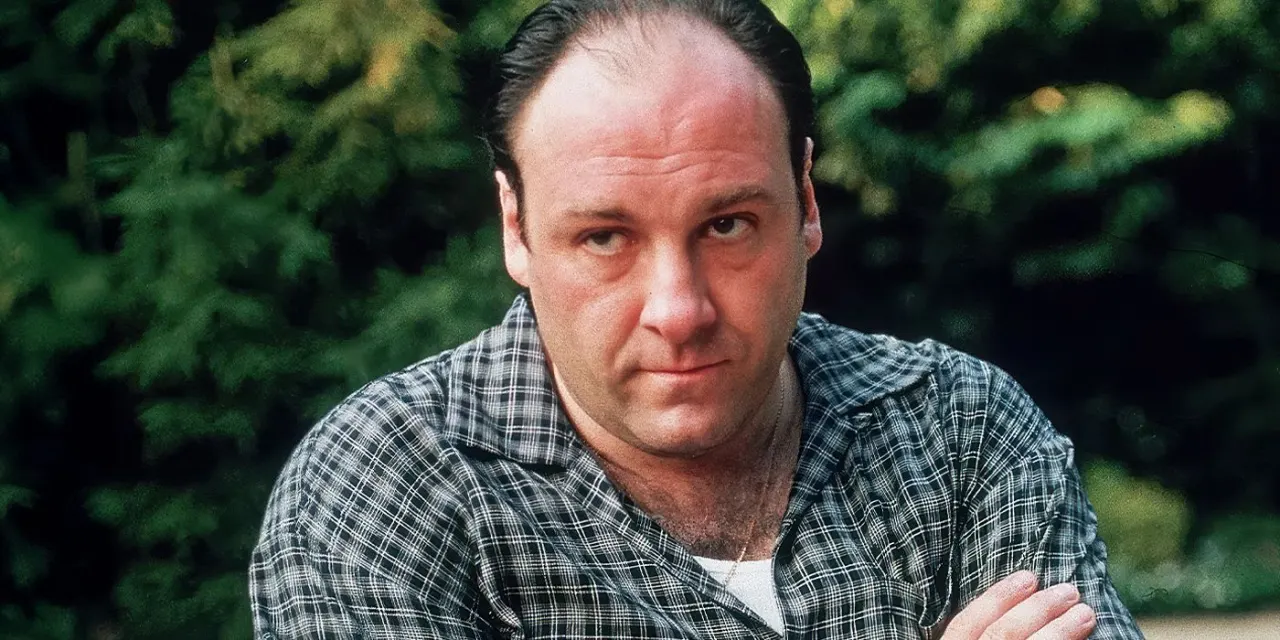
The article argues that Tony Soprano's best moment in the entire series comes from his reaction to his son A.J.'s suicide attempt in the family swimming pool. This scene gains profound significance through its callback to The Sopranos' pilot episode, where Tony's anxieties centred on a family of ducks living in that same pool—an image representing his deeper fear of losing his family. The moment thus represents a devastating full-circle return to the show's core emotional preoccupation.
The piece explores the complicated relationship between Tony and A.J. to explain this moment's resonance. Tony is a powerful, commanding figure who masks his anxiety, whilst A.J. is his opposite: unmotivated, anxious and emotionally fragile, having inherited his father's psychological issues without the coping mechanisms. Throughout the series, Tony vacillates between attempting to motivate his son and acts of violence, though ultimately he loves A.J. deeply. The article contends that A.J., despite being an annoying character who plays the victim, is one of the series' most realistic portrayals because he embodies the inherited damage of growing up within a mafia family and with unresolved emotional trauma.
- Tony's greatest moment is his reaction to A.J.'s suicide attempt in the pool.
- The pool scenes bookend the series, from the pilot's ducks to the finale's tragedy.
- A.J. represents how psychological damage passes through the Soprano family.
New here? Start with this
The Sopranos is an influential television series following Tony Soprano, a New Jersey mafia boss attempting to balance his violent criminal career with his role as a family man. The show became renowned for exploring the toll of leading such a double life, examining Tony's anxieties, relationships and therapy sessions as he struggles to keep his brutal professional world separate from his domestic sphere.
Tony's son A.J. is central to understanding the family drama at the show's heart. Whilst Tony is a powerful, commanding figure who conceals deep anxiety, A.J. is his opposite: emotionally fragile, unmotivated and prone to mental health struggles of his own. Their relationship is complicated throughout the series, with Tony vacillating between attempts at connection and bouts of violence.
This article analyses a critical moment in the series involving A.J. that connects back to imagery and themes from the show's pilot episode. The piece argues that the moment reveals the show's deepest preoccupation: how damage and trauma are inherited within families, and how A.J. has absorbed his father's emotional vulnerabilities without acquiring Tony's coping mechanisms. This analysis suggests the characterisation makes A.J. one of the series' most authentic portrayals, despite his often frustrating behaviour.