The Tetris Company wants nothing to do with the White House’s new copycat game
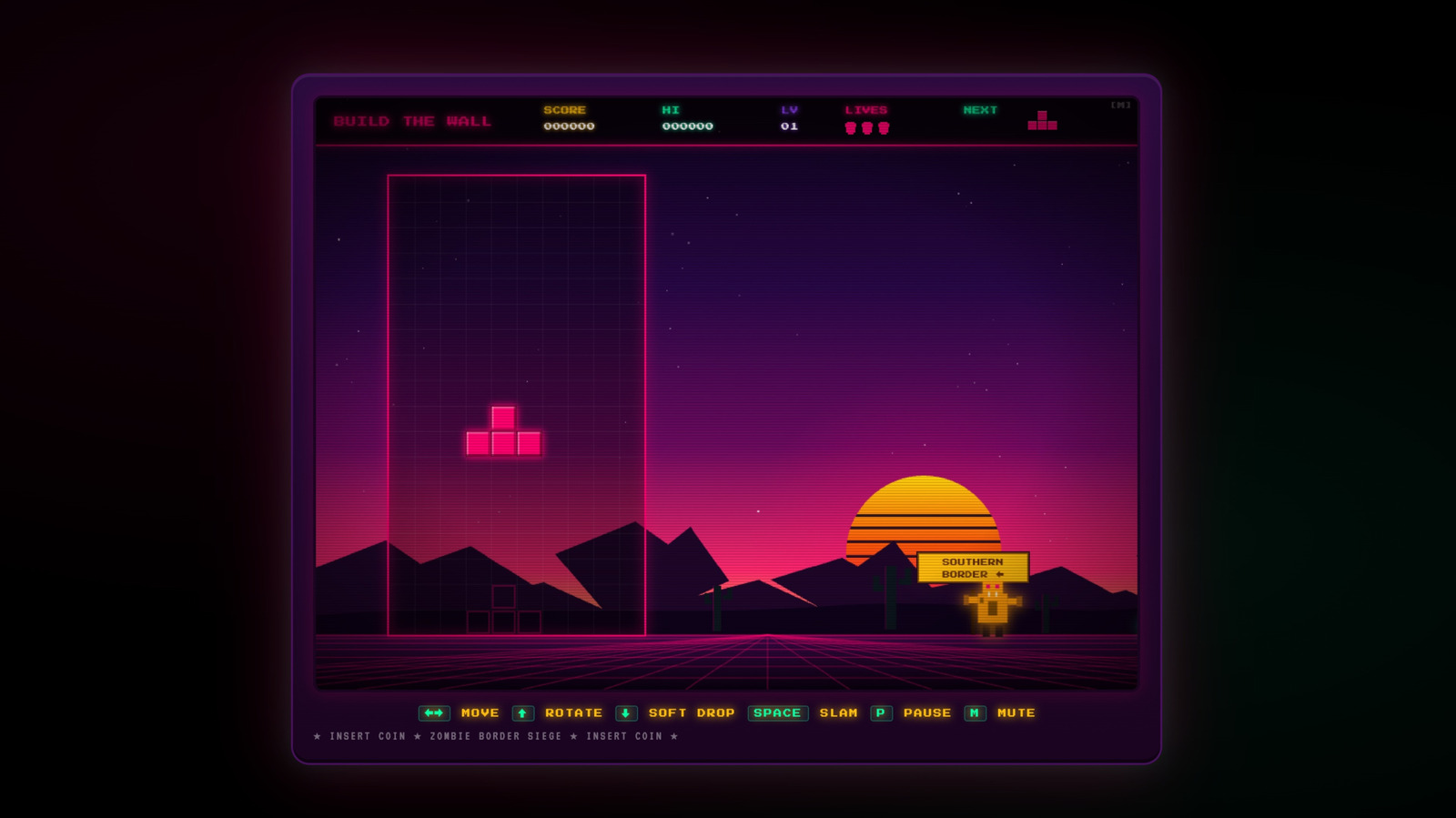
The Tetris Company has publicly distanced itself from "Build the Wall", an immigration-themed arcade game released on the White House website that closely mimics Tetris's mechanics. In an Instagram post, the company stressed it "was not involved in the creation" of the game and had not licensed its brand or intellectual property, adding it takes copyright infringement "very seriously" while noting it is reviewing the matter.
Build the Wall is one of six new browser-based games published by the Trump administration on Thursday, tasking players with stacking bricks to build a border wall against an oncoming "zombie horde", with the wall's placement near a "Southern Border" making its anti-immigration message explicit. Unlike Tetris, completed lines are not cleared but instead add to the wall's height. The release fits a wider pattern of the White House using pop-culture references, such as Halo-themed ICE recruitment memes, that have previously drawn DMCA takedowns, and Tetris is reportedly not the only property being copied in this way.
- White House game "Build the Wall" is an unlicensed Tetris clone
- Tetris Company says it wasn't involved and is reviewing the issue
- Game is one of six new titles reflecting a wider copyright pattern
New here? Start with this
The White House launched six browser games this week, one of which, "Build the Wall", closely copies the mechanics of the classic puzzle game Tetris but reworks it around stacking bricks to build a border wall against a "zombie horde" near the "Southern Border". The Tetris Company, which owns the rights to Tetris, says it had nothing to do with making the game and never licensed its brand, and it takes copyright infringement seriously.
The episode matters because it raises questions about intellectual property and how official government channels are being used to spread political messaging through recognisable pop-culture formats. It follows earlier instances of the administration using references to well-known games and franchises, including Halo-themed material tied to immigration enforcement recruitment, some of which have previously prompted formal copyright takedown requests.
Beyond this one game, reports suggest other properties may have been mimicked in the same batch of releases, meaning the dispute over "Build the Wall" could be one part of a broader pattern rather than an isolated incident.
Both sides, in good faith
The strongest fair case each way — we don't pick a winner.
The case for
Supporters of the administration's approach would argue that governments are entitled to use engaging, familiar formats such as browser games to communicate policy priorities, and that stacking-block mechanics are a generic genre convention rather than protected intellectual property, so building a wall-themed game in that style is legally distinct from copying Tetris's actual code, artwork or branding. They would add that the game is plainly a piece of political messaging and satire about border security, a subject the administration is entitled to promote in whatever creative form it chooses, and that no one seeing the words "Build the Wall" is likely to be confused into thinking Tetris itself endorsed it. From this perspective, the Tetris Company's objection is a routine brand-protection statement rather than evidence of any real wrongdoing.
The case against
Critics, echoing the concerns implicit in the Tetris Company's statement, would argue that closely mimicking a globally beloved and deliberately apolitical game's core mechanics to deliver a divisive immigration message risks unfairly trading on decades of goodwill the brand never consented to lend, regardless of whether every legal element of copyright is technically infringed. They would point to the pattern of borrowing pop-culture properties, from Halo-themed recruitment memes to this game, as showing a disregard for creators' rights and reputations that has already prompted takedown notices elsewhere. They might further object to the framing of migrants as a "zombie horde" to be walled out, seeing it as needlessly dehumanising imagery layered onto a game format many associate with childhood nostalgia rather than political combat.