The Trump administration is exempting data centers from pollution laws intended to prevent acid rain
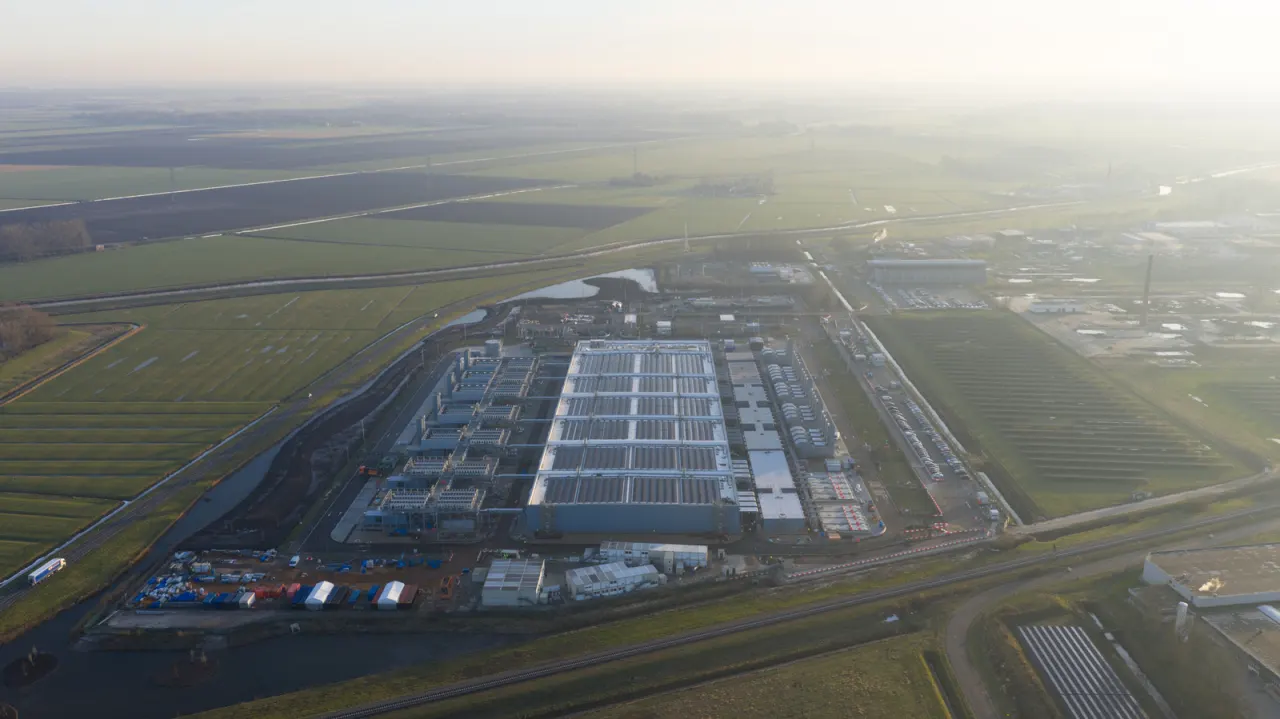
The Trump administration has exempted power plants that primarily serve data centers from the Clean Air Act's Acid Rain Program, freeing them from limits on sulfur dioxide and nitrogen oxide emissions. The Environmental Protection Agency argues these "islanded" plants, which supply electricity directly to data centres rather than the public, do not count as utilities and therefore fall outside the programme's remit, a decision it has described as a "commonsense" approach to regulation supporting US AI competitiveness.
Nearly 60 such power plants are already operating or under construction across the country, many fast-tracked by the government, and Bloomberg has forecast that data centres could account for a fifth of US energy consumption within roughly eight years. Acid rain precursors are known to strip nutrients from soil, poison waterways, damage vegetation and erode stonework, while also worsening respiratory and cardiac conditions in humans, according to the EPA's own guidance. The move follows a pattern of the administration prioritising AI infrastructure over environmental concerns, including its recent backing of Elon Musk's xAI in a pollution dispute with the NAACP, and comments from President Trump urging communities to accept data centres rather than resist them.
- US exempts data-centre power plants from acid rain pollution rules
- Nearly 60 such "islanded" plants operate or are being built nationwide
- Part of a wider pattern of prioritising AI growth over environmental rules
Both sides, in good faith
The strongest fair case each way — we don't pick a winner.
The case for
Supporters of the exemption argue that America's ability to lead in artificial intelligence depends on rapidly available electricity, and that islanded power plants built specifically to serve a single data centre are meaningfully different from public utilities the Acid Rain Program was designed to regulate, since they do not sell power broadly to households and businesses. They contend that outdated permitting processes threaten to leave the United States lagging behind rivals such as China in a strategically vital technology race, and that a targeted, commonsense carve-out for a narrow category of plants allows infrastructure to be built quickly without wholesale deregulation of the wider power sector. On this view, economic competitiveness, national security and energy abundance justify a pragmatic, temporary trade-off.
The case against
Opponents argue that sulphur dioxide and nitrogen oxide emissions cause the same environmental and public health harm regardless of who the electricity is sold to, so exempting a plant based on its customer rather than its pollution output undermines the scientific basis of the Clean Air Act. They contend that nearly 60 fast-tracked plants, serving an industry forecast to consume a fifth of US electricity within years, represents a significant and growing source of acid rain precursors, with real consequences for soil, waterways, respiratory health and cardiac conditions in nearby communities. For these advocates, environmental protections exist precisely to prevent industries from prioritising rapid growth over the health of residents and ecosystems, and any exemption should be judged on pollution impact rather than corporate convenience or technological ambition.