“They don’t make ’em like they used to”: How flash player games defined an era of indie horror
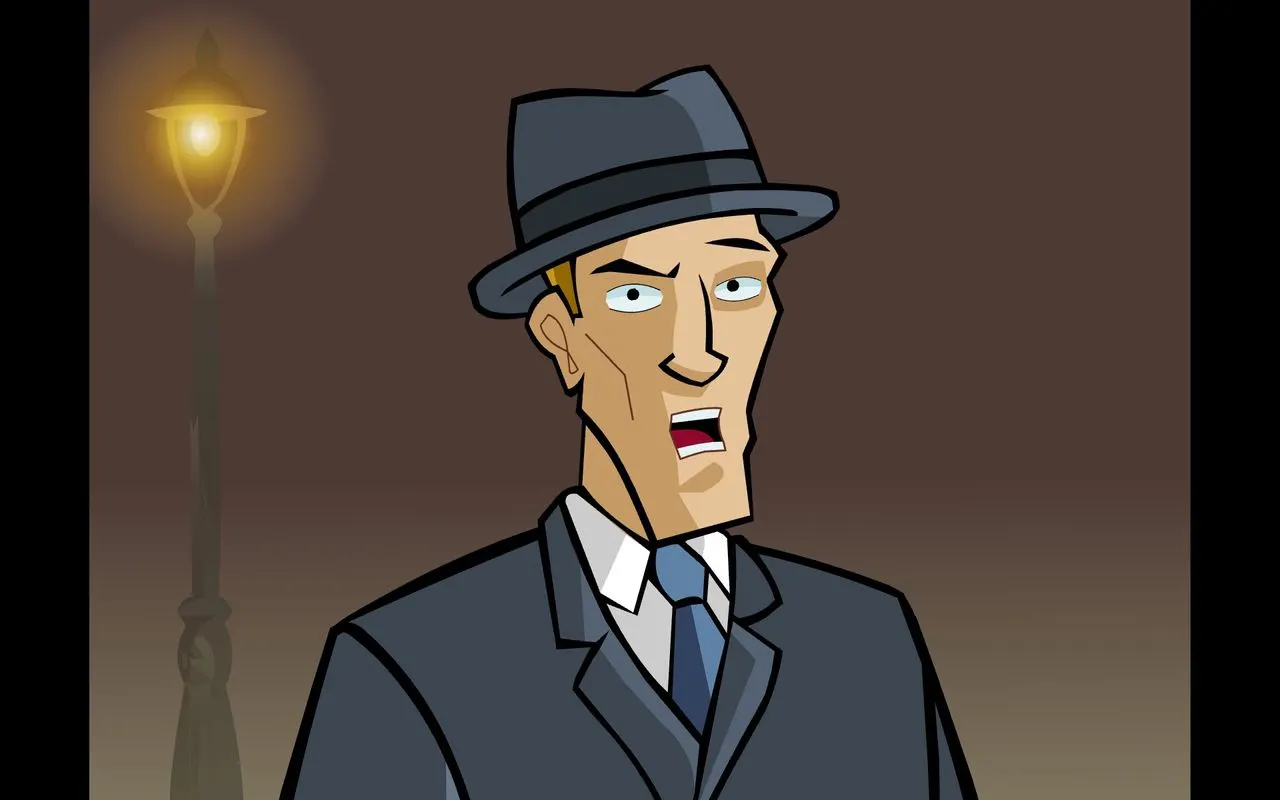
GamesRadar+ reflects on the influence of Flash player games on the development of indie horror, arguing that their rough, experimental nature helped establish styles and ideas that later became widespread. The article suggests these browser games mattered because they gave small creators an accessible way to make unsettling, unconventional experiences outside mainstream publishing.
It places the phenomenon in the era when Flash games were easy to distribute through web portals, allowing developers to reach large audiences with minimal resources. Their limitations often encouraged simple visuals, abrupt scares and distinctive concepts, while the closure of Flash support has made much of that period harder to revisit and preserve.
- Flash games helped shape modern indie horror.
- Accessibility enabled experimentation by small developers.
- Much of the era is now difficult to preserve.
New here? Start with this
Flash games were small video games that ran in web browsers, often through popular online game portals. Because the tools were cheap and easy to use, individual developers and small teams could publish games without needing a publisher or expensive equipment.
Indie horror is horror made outside the biggest games companies, usually with smaller budgets and more freedom to experiment. Flash games helped creators test unsettling ideas using simple graphics, unusual stories and sudden scares, some of which later appeared in larger independent games.
The end of widespread Flash support meant many of these games no longer run easily in modern browsers. That has raised concerns about preserving a period of online game-making that introduced many players to experimental horror.