This classic 1967 album laid the foundation for progressive rock – why has it been forgotten?
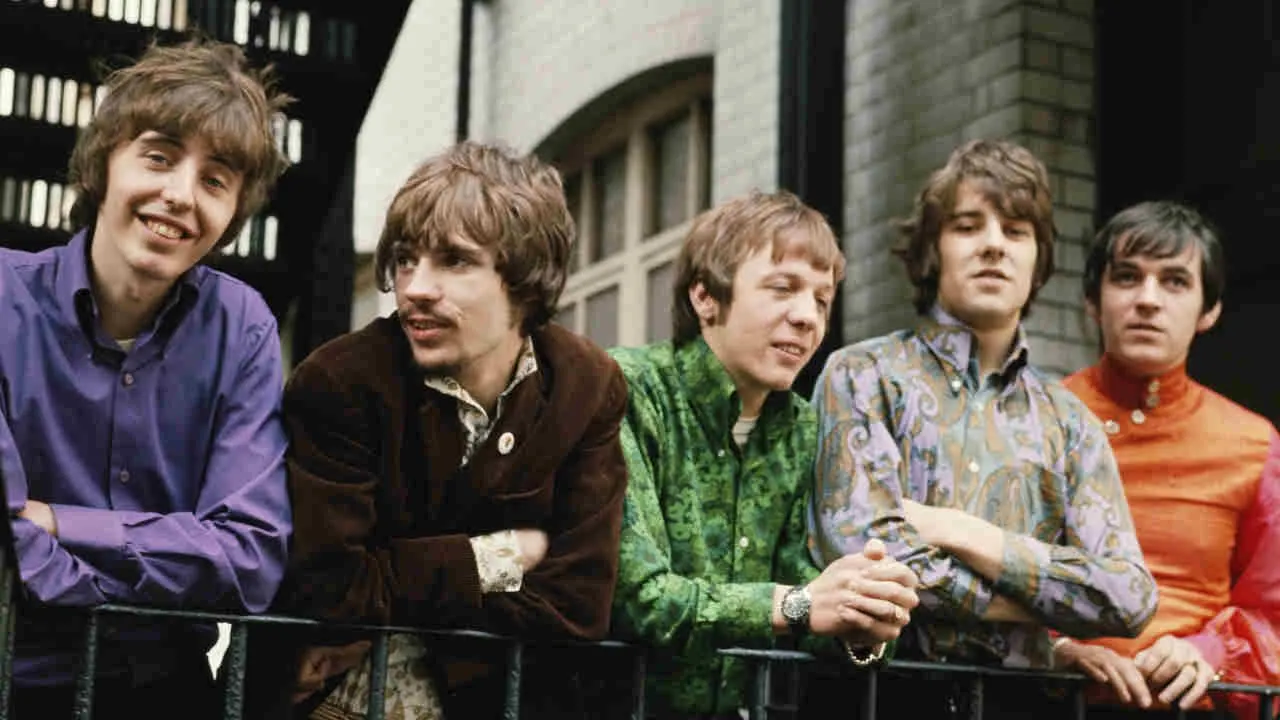
Procol Harum's self-titled debut album, released in 1967 alongside The Beatles' Sgt. Pepper's Lonely Hearts Club Band, played a foundational role in establishing progressive rock as a genre. Yet the album has been largely forgotten by music history compared to its famous contemporary, despite the band's massive hit single "A Whiter Shade of Pale" reaching number one in the UK that summer.
The album was recorded with producer Denny Cordell and featured six band members: vocalist and pianist Gary Brooker, lyricist Keith Reid, guitarist Robin Trower, organist Matthew Fisher, bassist Dave Knights, and drummer BJ Wilson. Reid and Brooker developed their songwriting process across the album's 10 tracks by having Reid write lyrics first, with Brooker adding music afterward. Although the pair had spent considerable time writing and rehearsing before recording, commercial pressures forced them to rush the actual recording process, which Reid later acknowledged meant they could have benefited from more time in the studio.
- 1967 Procol Harum album helped establish progressive rock but remains overshadowed
- Commercial pressures rushed recording despite months of preparation
- Band's number one hit "A Whiter Shade of Pale" pressured quick album release
New here? Start with this
Procol Harum's self-titled debut album was released in 1967, the same summer as The Beatles' Sgt. Pepper's Lonely Hearts Club Band. The album helped establish progressive rock as a distinct genre, combining rock with classical influences and complex musical structures. The band achieved immediate commercial success with the single 'A Whiter Shade of Pale', which reached number one on the UK charts that summer.
The six-piece ensemble featured vocalist and pianist Gary Brooker, lyricist Keith Reid, guitarist Robin Trower, organist Matthew Fisher, bassist Dave Knights, and drummer BJ Wilson. Brooker and Reid developed their songs through an unconventional process, with Reid writing lyrics first and Brooker composing music to match. Although they had rehearsed extensively beforehand, commercial pressures forced the band to rush the actual recording, which left both feeling they could have benefited from more studio time.
The album played a significant role in establishing progressive rock as a distinct musical genre. Yet despite this foundational importance, the album has largely faded from public memory, unlike Sgt. Pepper, which remains culturally prominent.