This economist, Richard Holden, has put a number on Albo’s big spend that’s fuelled inflation: $105billion. So, ask yourself… what lasting improvement has it made to Australia? PETER VAN ONSELEN
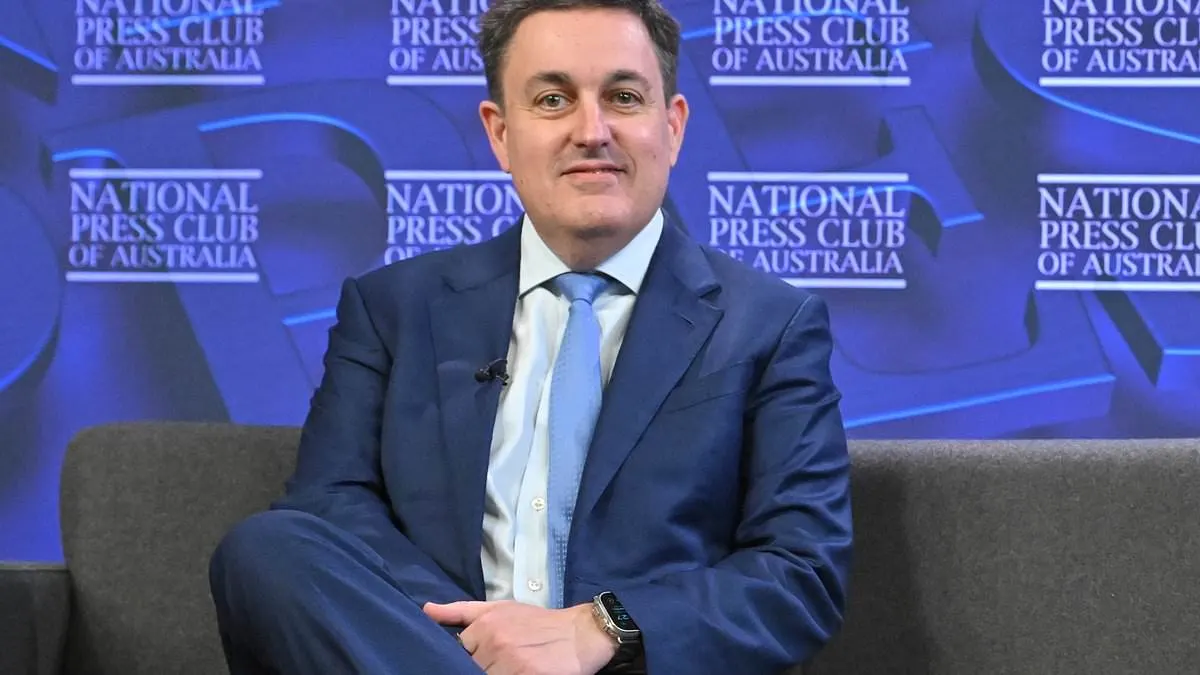
Economist Richard Holden has calculated that Australia's Labor government made policy decisions adding $105.7 billion in net spending over its first four years compared with pre-election forecasts. This matters because, despite receiving a $400.8 billion revenue windfall above predictions, the government chose to increase spending further rather than using that advantage to help control inflation, which has put pressure on household budgets.
After accounting for additional expenditure from economic changes and existing programmes, Holden's analysis finds the overall budget position benefited by $281.8 billion. The government's additional $105.7 billion in spending is identified as a contributor to persistent inflation, alongside international cost pressures and weak domestic productivity (issues the Reserve Bank head Michele Bullock has flagged as serious economic concerns affecting Australians' living standards).
- Labor spent extra $105.7 billion despite massive revenue windfall
- Revenue windfall of $400.8 billion didn't prevent budget deficits
- Government spending fuels inflation, economist's analysis finds
New here? Start with this
Australia's government has faced criticism over spending decisions made in its first four years, which an economist calculates added $105.7 billion in extra costs above what was predicted before the election. The government received much more tax revenue than expected, but chose to increase spending rather than use that windfall to help control rising prices affecting household budgets.
Economist Richard Holden has worked out that despite the substantial revenue boost, the government's choice to spend more contributed to persistent inflation pressures. His analysis shows that whilst the overall budget position benefited by more than $280 billion when accounting for additional revenue and existing programmes, the government still opted for higher spending.
The Reserve Bank governor Michele Bullock has flagged weak productivity and international cost pressures as serious concerns affecting Australian living standards. The debate centres on how much the government's spending choices contributed to inflation hitting household budgets and whether the money spent has delivered lasting economic improvements.
Both sides, in good faith
The strongest fair case each way — we don't pick a winner.
The case for
The government received unprecedented revenue windfalls but chose to invest in future productive capacity, services and targeted support for households facing genuine cost-of-living pressures—priorities voters had endorsed. Multiple factors drove inflation including international supply shocks and domestic productivity weakness; attributing it primarily to fiscal stimulus oversimplifies complex economics, and withdrawing support during difficult times would have compounded hardship for vulnerable Australians.
The case against
Despite receiving $400 billion in unexpected revenue, the government opted for additional spending rather than deficit reduction at a moment when the Reserve Bank was fighting inflation through rate rises. When inflation actively erodes living standards, fiscal stimulus that adds aggregate demand undermines monetary policy and perpetuates the problem it claims to address; sound economic stewardship meant using windfalls to restore budget discipline rather than fund discretionary commitments.