Thomas Bangalter says his creative practice goes “deeper” than AI ever could
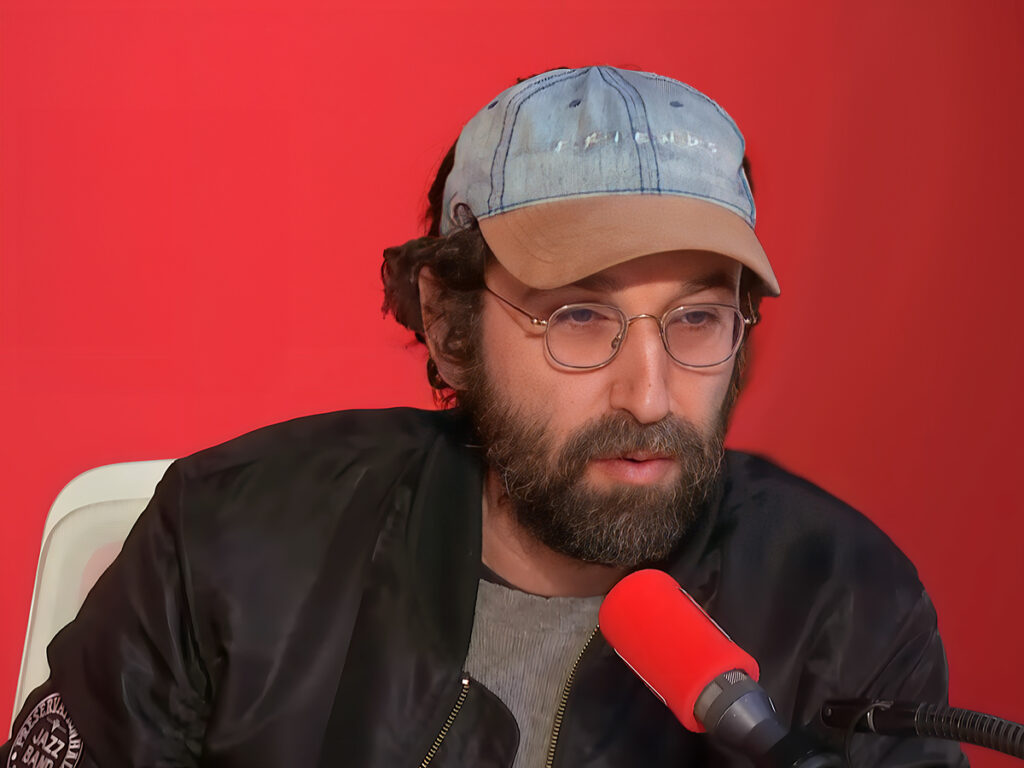
Daft Punk co-founder Thomas Bangalter has said his creative process runs deeper than anything artificial intelligence can replicate, pushing back against the growing use of AI in music production. The French musician, known for helping pioneer electronic and house music with Guy-Manuel de Homem-Christo, argues that his artistic approach draws on lived experience, instinct and human collaboration in ways that automated tools cannot reproduce, adding his voice to an ongoing debate among musicians about AI's role in creative industries.
Bangalter's comments come amid wider unease across the music industry, as artists and producers grapple with AI's growing capabilities to generate compositions, mimic vocal styles and assist in production. Since Daft Punk's split in 2021, Bangalter has continued working on solo and orchestral projects, and his remarks reflect a broader defence of traditional, human-driven artistry at a time when AI tools are becoming more prevalent in studios worldwide.
- Bangalter says AI can't match the depth of human creativity
- Comments add to industry debate on AI's role in music
- Reflects his continued focus on human-led artistic projects
Both sides, in good faith
The strongest fair case each way — we don't pick a winner.
The case for
Advocates of Bangalter's position argue that music at its best is inseparable from lived experience: the accumulated joys, heartbreaks and cultural context a human artist brings to a work cannot be reduced to pattern recognition over existing data. They contend that AI-generated output, however technically polished, is fundamentally derivative, remixing what already exists rather than expressing anything genuinely new, and that preserving space for human instinct, risk-taking and collaboration is essential to keeping music meaningful rather than merely competent.
The case against
Others counter that this view underestimates both what AI can already do and how human creativity itself has always been shaped by tools, chance and outside influence, from samplers to synthesisers to the very drum machines Daft Punk built a career on. They argue that AI is simply the next instrument in a long lineage of technology reshaping music, capable of opening creative possibilities rather than closing them, and that dismissing it outright risks an unearned nostalgia that overlooks genuinely innovative work already being made with these tools.