Three college students face federal charges over alleged threats against Trump ahead of campus rally
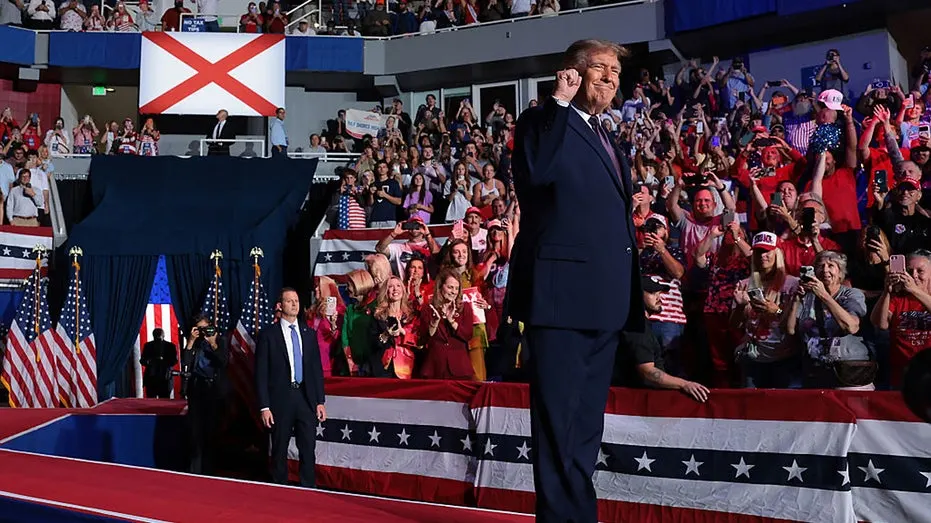
Three University of South Alabama students have been arrested and charged with federal offences following alleged threatening posts on social media directed at President Trump ahead of a scheduled rally on campus. Federal investigators identified the students after discovering the posts whilst conducting social media intelligence searches in preparation for the presidential visit. The charges were filed hours before Trump appeared at the Mitchell Center on Friday evening, and the rally proceeded as planned.
The students allegedly made threatening remarks on TikTok and X, with one post apparently referencing the fatal shooting of conservative activist Charlie Kirk at Utah Valley University last year. The FBI used emergency disclosure requests and information from university police to identify those responsible. The University of South Alabama condemned any threats whilst emphasising the distinction between lawful free expression and unlawful intimidation.
- Three college students charged with federal offences over alleged Trump threats on social media
- Posts made days before presidential rally at their campus
- University condemned threats whilst defending free speech boundaries
New here? Start with this
Federal authorities have charged three college students with making threatening posts on social media ahead of a presidential visit to their campus. When a president makes a public appearance, security agencies routinely monitor social networks to identify potential threats to public safety. This case involves students at the University of South Alabama and posts made before the president's scheduled rally at the campus.
The distinction between protected free speech and illegal threatening behaviour is a central issue in such cases. Whilst American law protects offensive or unpopular expression, direct threats of violence fall outside that protection and constitute federal crimes. Authorities must carefully balance their duty to prevent harm against free speech protections.
Law enforcement takes threats made in connection with high-profile presidential visits very seriously because of the substantial security resources required for investigation and response. Such cases test the boundaries between expression that is distasteful but legal and behaviour that crosses into criminal intimidation.
Both sides, in good faith
The strongest fair case each way — we don't pick a winner.
The case for
Threatening violence against the President is a serious federal crime warranting prosecution. These posts referenced a real, fatal attack on a political figure, suggesting genuine intent rather than hyperbolic expression. Federal law appropriately distinguishes between protected political speech and unlawful threats; investigators responded proportionately to credible threats during a presidential event.
The case against
These prosecutions raise serious free speech concerns. Political speech, even intemperate or heated remarks, receives strong constitutional protection as fundamental to democracy. The distinction between protected hyperbole and prosecutable threats remains subjective, especially with college students' social media posts; broad surveillance of speech combined with federal charges risks chilling legitimate expression and could devastate young people's futures without clear security gains.