Highland church where Helen Mirren married Taylor Hackford listed for sale
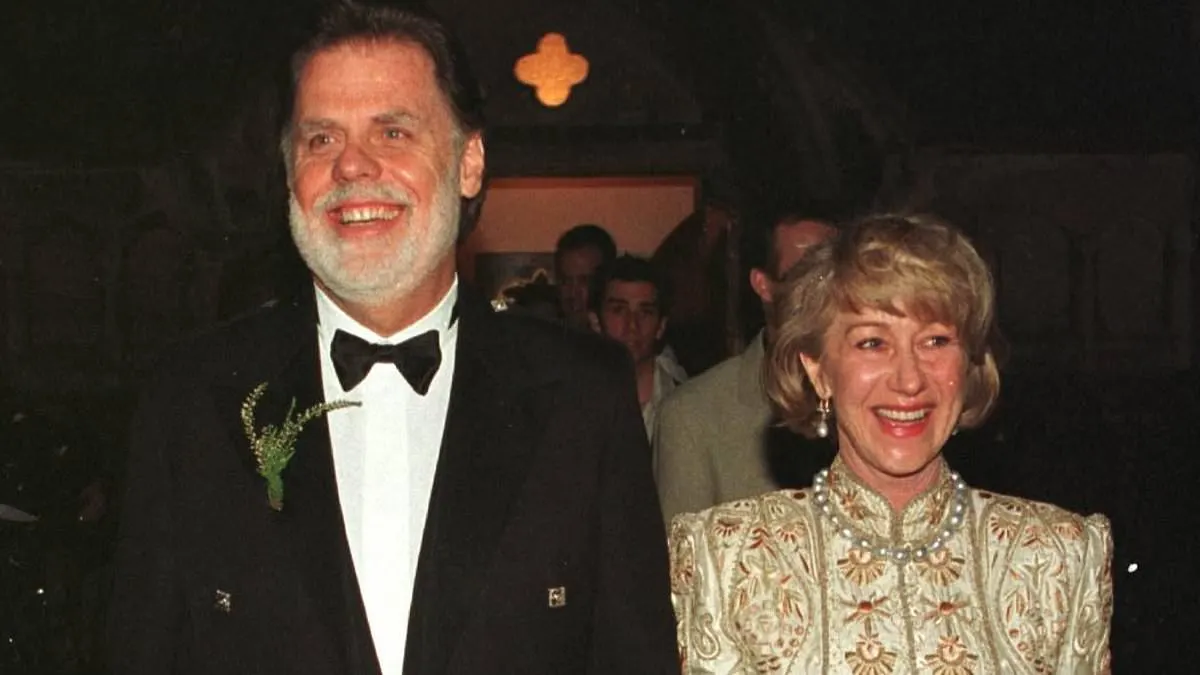
Ardersier Parish Church in the Scottish Highlands, where Dame Helen Mirren married director Taylor Hackford in 1997, is being sold by the Church of Scotland for over £80,000. The property sale is part of a major restructuring designed to ensure the Church remains "lean and fit for mission in the 21st century" as it seeks to release equity from its portfolio amid declining congregations.
The Victorian kirk, built in 1880 and set within a conservation area overlooking the Moray Firth, can be repurposed without change of use consent as a museum, library or residential property. The 1997 New Year's Eve wedding drew approximately 100 local villagers and notable guests including comedian Mel Smith; Mirren wore a gold and cream brocade jacket whilst Hackford wore traditional Highland dress for the intimate ceremony before celebrating at nearby Castle Stuart.
- Dame Helen Mirren's 1997 Highland wedding venue is for sale at offers over £80,000.
- Church of Scotland selling property portfolio to stay lean and fit for mission.
- Victorian kirk built in 1880 can be converted to museum, library or homes.
New here? Start with this
Ardersier Parish Church is a Victorian kirk built in 1880 in the Scottish Highlands, set within a conservation area overlooking the Moray Firth. The church is known for a notable event that took place there in 1997: the New Year's Eve wedding of British actress Dame Helen Mirren and American film director Taylor Hackford.
The wedding drew around 100 guests, including comedian Mel Smith, with Mirren wearing a gold and cream brocade jacket and Hackford in traditional Highland dress. The couple celebrated at nearby Castle Stuart.
The Church of Scotland owns many properties across the country but faces declining congregations. As part of restructuring to ensure its mission continues and finances remain stable, the church has been reviewing which properties it can maintain.
Both sides, in good faith
The strongest fair case each way — we don't pick a winner.
The case for
The Church of Scotland faces genuine financial sustainability challenges with declining congregations making it impossible to maintain all properties adequately. Selling underutilised buildings represents responsible stewardship, releasing resources to concentrate on serving active communities and keeping the institution lean and mission-focused. The building itself will continue to exist and serve purposes through repurposing; the Church's primary duty is to its living members, not to operate properties as heritage repositories.
The case against
Historic parish churches are irreplaceable anchors of Scotland's cultural and architectural heritage, serving communities across generations. Once sold, these buildings exit the Church's stewardship and their original purpose is permanently lost to the public realm. Treating these structures primarily as financial assets rather than treasured heritage sets a troubling precedent, eroding Scotland's cultural landscape and severing the tangible continuity that such buildings provide to communities, regardless of whether the physical structures technically endure.
Read the full article at the source →
Originally published by Daily Mail as “Tiny rural church where Dame Helen Mirren married her director boyfriend on sale for £80,000”.