Trump doubles down on controlling Strait of Hormuz… as Iran’s president begs for fighting to end while smell of ‘burning flesh’ lingers on Tehran streets
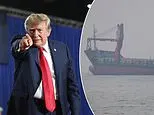
The article's headline indicates that Donald Trump has reiterated his intention to press for control over the Strait of Hormuz, a vital global shipping route, amid ongoing conflict involving Iran. It reports that Iran's president has appealed for the fighting to stop, while residents in Tehran describe the lingering smell of "burning flesh" in the aftermath of strikes on the city, underscoring the severity of the human toll.
Beyond the headline, the supplied article content consists almost entirely of unrelated Daily Mail navigation links and other story teasers rather than the substantive text of this report, so further specific details, figures or direct quotes from Trump or the Iranian president could not be extracted. Readers seeking the full details of the strait dispute and the situation in Tehran would need to consult the original article directly.
- Trump reaffirms push to control the Strait of Hormuz.
- Iran's president pleads for an end to the fighting.
- Tehran residents report smell of "burning flesh" after strikes.
New here? Start with this
Iran and Israel have been engaged in direct military conflict, with each side striking targets in the other's territory. The United States, under President Donald Trump, has become directly involved, and the Strait of Hormuz has emerged as a key flashpoint because a large share of the world's oil and gas shipments pass through this narrow waterway between Iran and the Arabian Peninsula.
Iran's government is led by President Masoud Pezeshkian, while the country's military and foreign policy are ultimately overseen by its Supreme Leader. Tehran, the Iranian capital, has reportedly suffered strikes causing significant casualties and destruction, prompting the president's calls for the fighting to stop.
Any disruption to the Strait of Hormuz matters well beyond the region, since blocking or restricting it could affect global energy supplies and prices. The involvement of the United States alongside Israel against Iran also raises the stakes, with concerns about how far the conflict might escalate and what role outside powers will play in seeking an end to it.
Both sides, in good faith
The strongest fair case each way — we don't pick a winner.
The case for
Advocates of a firm approach argue that the Strait of Hormuz is one of the world's most critical chokepoints for oil and trade, and that any ambiguity about its security invites coercion by hostile actors who could otherwise threaten global energy supplies and Western economies. From this view, sustained military pressure and a visible willingness to act are what ultimately compel adversaries to the negotiating table and deter further escalation, so appearing to waver in the face of Iranian appeals could simply prolong the conflict by signalling weakness. Proponents also contend that safeguarding freedom of navigation is a legitimate strategic interest that protects allies and the wider international economy, not merely an act of aggression.
The case against
Critics argue that continuing to press for military control of the strait risks deepening a humanitarian catastrophe, as vividly illustrated by residents describing the smell of burning flesh in Tehran, and that such suffering should weigh heavily against further military entrenchment. They contend that when a nation's leadership is openly pleading for hostilities to end, prioritising diplomacy and de-escalation reflects both moral responsibility and practical wisdom, since prolonged conflict can breed instability, regional retaliation and long-term resentment that undermine security more than they secure it. From this perspective, restraint and negotiated solutions are more likely to achieve lasting stability in the region than continued displays of force.