Trump temporarily cuts imported beef tariffs despite rancher backlash
Developed over time first seen 2 months ago
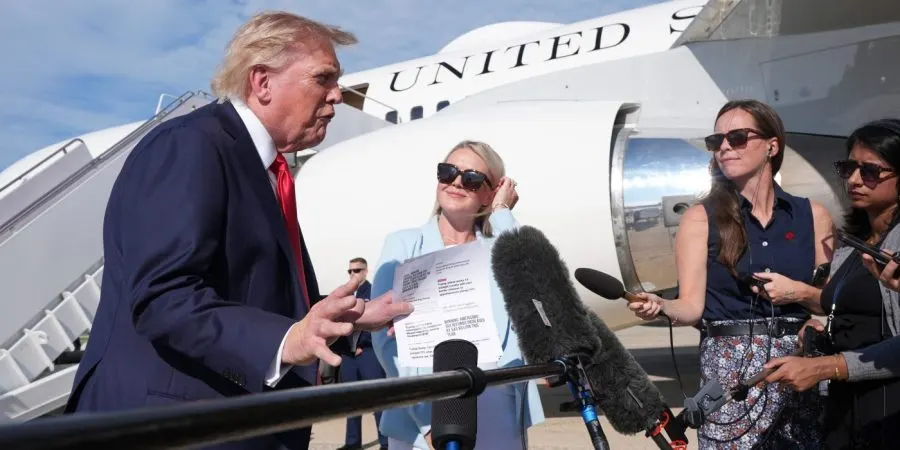
President Trump temporarily cut tariffs on imported ground beef in an effort to bring down grocery prices, a move that provoked a backlash from within his own political base. Republican lawmakers and domestic cattle ranchers criticised the decision as "frustrating and disappointing", arguing it favours cheaper foreign beef over American producers just as the party seeks to shore up rural support ahead of the midterm elections.
The administration presented the tariff reduction as a direct response to consumer pressure over rising meat prices, arguing that easing import restrictions would help lower household grocery bills. Critics within the GOP and the livestock industry maintained that the policy undermines domestic ranchers and sits awkwardly alongside Trump's broader protectionist trade agenda, highlighting a tension between his focus on consumer prices and his support for American agriculture.
- Trump temporarily lowered tariffs on imported beef to cut grocery costs
- Republican ranchers and lawmakers called the move "frustrating and disappointing"
- Decision exposes rift between consumer-price goals and protectionist trade policy
New here? Start with this
Republicans have generally supported tariffs on imported goods as a way to protect American industries, including agriculture, and cattle ranchers have counted on that support to shield them from cheaper foreign beef. Ground beef prices have been rising for consumers, putting pressure on the White House to find ways of lowering everyday food costs.
President Trump's decision to temporarily reduce tariffs on imported ground beef sets these two priorities against each other: cheaper groceries for shoppers versus protection for domestic ranchers who compete with imports. The move has drawn criticism from within his own party, with some Republican lawmakers and cattle industry figures warning it could hurt farmers in cattle-producing states.
This matters because the midterm elections are approaching, and rural and agricultural voters are an important part of the Republican coalition. How the administration balances consumer costs against support for domestic producers could shape trust among that base in the run-up to the vote.
Both sides, in good faith
The strongest fair case each way — we don't pick a winner.
The case for
Supporters argue that easing tariffs on imported ground beef is a pragmatic response to a genuine cost-of-living pressure, since beef prices have risen sharply and squeezed household budgets. They contend that a temporary, targeted reduction allows the administration to prioritise consumers without abandoning its broader trade strategy, arguing that no single policy tool need be applied dogmatically when circumstances change. For them, responsiveness to public frustration over grocery bills is precisely what voters expect of a government, even if it means adjusting a tariff regime that in other respects favours domestic industry.
The case against
Critics, particularly ranchers and Republican lawmakers, argue that cutting tariffs undercuts American cattle producers who have invested in domestic supply chains partly on the strength of protectionist assurances. They see the move as inconsistent with the administration's own stated commitment to shielding US agriculture from foreign competition, and worry it sets a precedent whereby domestic producers can be sacrificed whenever short-term price optics demand it. For this side, the concern is not only economic but also one of trust and political consistency, particularly given the timing ahead of the midterms, when farming communities expect their interests to be defended rather than traded away.
Coverage
- The Hill — Trump defends beef import plan after GOP blowback
- The Hill — GOP raises concerns over Trump lifting certain ground beef tariffs
- Daily Mail — MAGA revolts over Trump’s beef move to save midterm slaughter: ‘Frustrating and disappointing’
Business Economy Elections Government Markets Politics World