Trump picks team for new ‘Super Intelligence Force’ to lead the charge on AI
Developing story first seen 2 hours ago
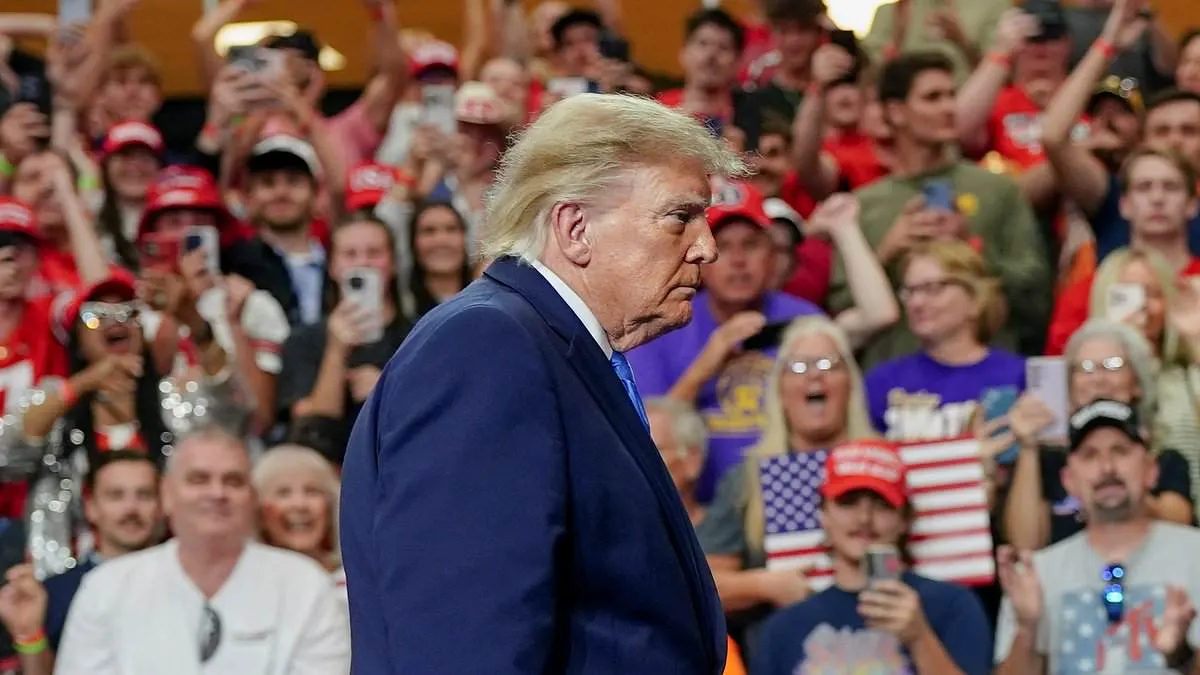
Donald Trump has created a new Super Intelligence Force (SIF) to coordinate the US government’s engagement with AI companies, technology providers, consumers and religious organisations. The move is intended to support American leadership in AI, which the president has begun calling “super intelligence” in government communications.
The task force will be led by Director of National Intelligence Jay Clayton, with FTC chairman Andrew Ferguson, Pentagon technology chief Emil Michael and Office of Personnel Management director Scott Kupor. It will report to Trump and chief of staff Susie Wiles, following a White House meeting with technology executives and an announced safety accord. The administration says US development should continue to keep pace with China, while critics including Senator Bernie Sanders warn AI could harm workers.
- Trump has formed a government task force on AI.
- Jay Clayton will lead the four-member group.
- The administration says US AI leadership is a priority.
New here? Start with this
The United States government has set up a new Super Intelligence Force to oversee how America engages with artificial intelligence technology. This task force brings together officials from across government, business, technology companies and other groups to coordinate policy and strategy around AI development and use. The move reflects growing recognition that AI is becoming central to national competitiveness and security.
The task force is led by Jay Clayton, who heads the nation's intelligence community, alongside the chairmen of the Federal Trade Commission and other senior officials from the Pentagon and personnel office. These leaders will advise the president on how to ensure American companies and government agencies can harness AI's potential whilst managing its risks. The group reports directly to President Trump and his chief of staff.
The initiative comes as the US seeks to maintain technological leadership against China, which has invested heavily in AI development. Supporters argue that coordinated AI policy will help American innovation, whilst some lawmakers have raised concerns about how the technology might affect workers and society. Understanding this balance between promoting development and managing risks is key to the broader AI debate.
Both sides, in good faith
The strongest fair case each way — we don't pick a winner.
The case for
The US must maintain technological leadership in AI to compete with China and protect national security interests. This task force represents pragmatic coordination, bringing senior officials together to facilitate industry-government collaboration and reduce regulatory friction that might slow American innovation. By working cooperatively with technology providers and stakeholders, it positions American companies to develop transformative AI capabilities whilst safeguarding national interests.
The case against
Effective AI governance requires independent oversight that prioritises safety and worker protection as much as competitiveness. This task force, composed primarily of officials sympathetic to industry concerns, risks regulatory capture and may insufficiently address serious risks including job displacement and AI safety challenges. Meaningful policy should establish robust guardrails and consider broader public interests rather than primarily accelerating development to outpace competitors.
More coverage
- The Hill — Trump announces 'Super Intelligence Force' led by DNI Jay Clayton
- TechCrunch — Trump unveils his new Super Intelligence Force