Trump slaps a 100 percent tariff on heavy and ‘sensitive’ drones
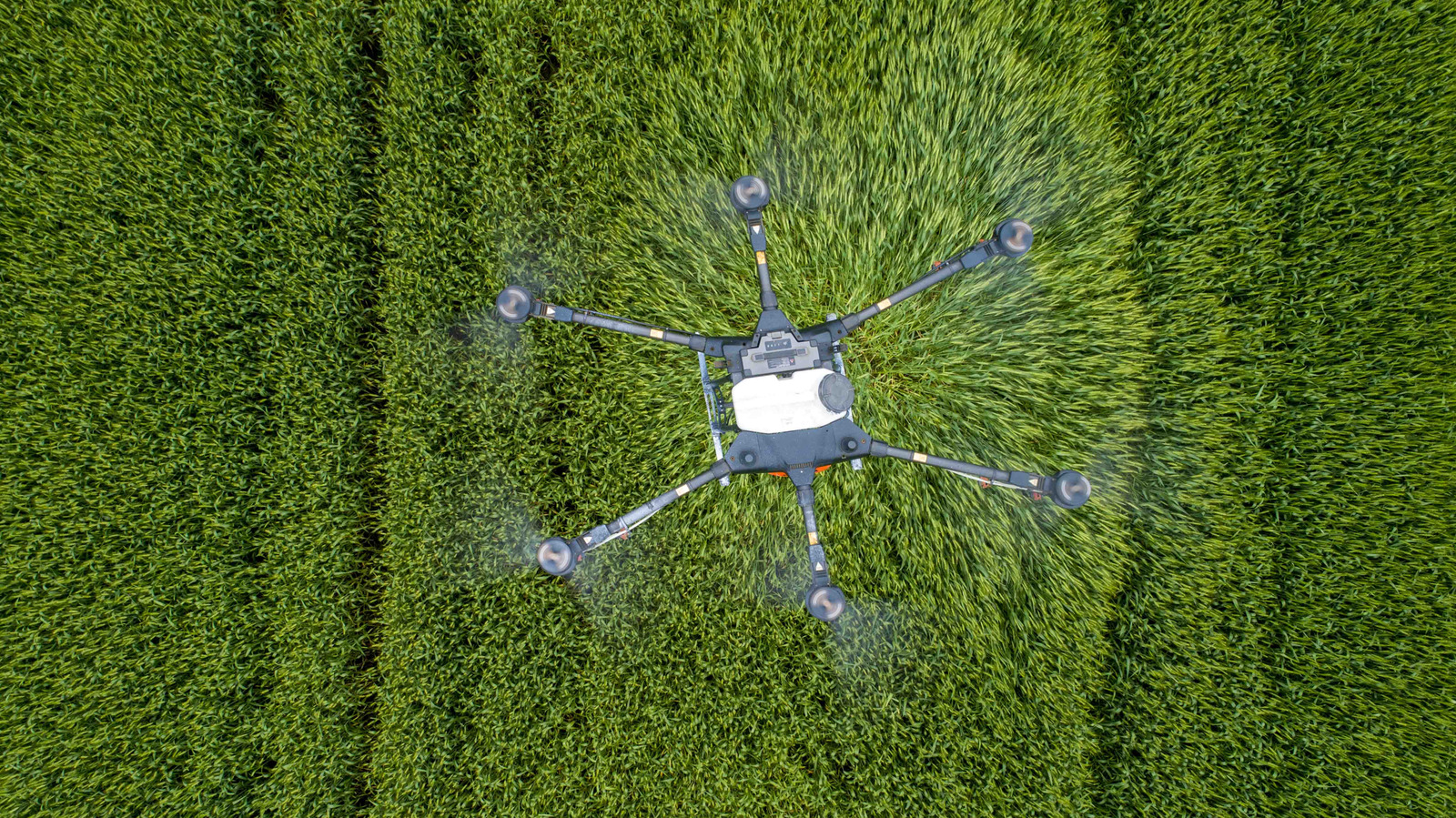
President Trump has introduced tariffs of up to 100 percent on heavier and security-sensitive drones entering the US, a move intended to bolster national security and encourage domestic manufacturing. It is likely to raise costs and limit options for commercial operators, particularly because Chinese manufacturers such as DJI currently dominate the market with products that many users consider difficult to replace.
The 100 percent tariff applies to drones weighing more than 25kg or fitted with docking stations or thermal imaging, affecting uses including infrastructure inspection, crop spraying and search-and-rescue work. Lighter drones will face a 25 percent tariff, while qualifying imports from several allied countries face lower rates, including 10 percent for UK drones; the policy also includes US manufacturing incentives and closes an assembly loophole for Chinese components. The measures follow an FCC restriction on sales of LiDAR-equipped drones, although they are described as separate from the existing ban on new DJI products.
- Heavy and sensitive drones will face 100 percent US tariffs.
- Commercial users may face higher costs and fewer capable alternatives.
- The policy seeks to boost US drone manufacturing and security.
Both sides, in good faith
The strongest fair case each way — we don't pick a winner.
The case for
Supporters argue that steep tariffs on sensitive drones are a prudent national-security measure, particularly where equipment could be used for surveillance, mapping or critical infrastructure. They contend that reducing reliance on potentially insecure foreign supply chains gives the United States greater control over vital technology and encourages domestic manufacturing capacity. The underlying value is strategic resilience: short-term costs may be justified if they limit exposure to espionage, disruption or coercion.
The case against
Critics argue that tariffs of up to 100 percent could raise costs sharply for businesses, emergency services, farmers and other lawful users who depend on affordable drones. They say broad trade barriers may slow innovation, invite retaliation and reduce access to the specialised equipment needed for safety, research and commercial work, while security concerns could be addressed more precisely through testing, procurement rules and targeted restrictions. The underlying value is preserving open competition and practical access without imposing unnecessary costs on the wider economy.