Trump takes swipes at press during White House Correspondents’ Dinner
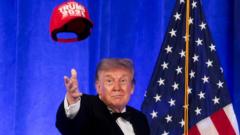
US President Donald Trump used the rescheduled White House Correspondents’ Association dinner to mix jokes with sharp criticism of journalists and political opponents. The event mattered because it marked a return after April’s dinner was disrupted by a shooting, while also highlighting Trump’s tense relationship with a press corps gathered to celebrate press freedom.
Trump spoke for about an hour, praising “most” journalists but also attacking “fake news” and accusing attendees of “Trump Derangement Syndrome”. He honoured Secret Service officer Victor Gonzalez, who was shot during the April incident, and congratulated award winners including Wall Street Journal reporters recognised for coverage of Trump’s links to Jeffrey Epstein. The dinner was moved from the Washington Hilton to the Waldorf Astoria after security concerns, although the WHCA plans to return to the Hilton next year.
- Trump criticised journalists at a dinner celebrating press freedom.
- The event resumed after April’s shooting disruption.
- He honoured an injured Secret Service officer.
Both sides, in good faith
The strongest fair case each way — we don't pick a winner.
The case for
Supporters may argue that a president is entitled to challenge reporting he believes is inaccurate or unfair, particularly at an event where journalists and political figures traditionally use humour and criticism. They may see Trump’s remarks as a candid expression of frustration with parts of the media while noting that he praised many journalists, recognised award-winning reporting and participated in an occasion celebrating the press. On this view, robust public disagreement between government and the media can be compatible with press freedom, provided journalists remain free to investigate and publish.
The case against
Critics may argue that a president’s repeated use of terms such as “fake news” and attacks on journalists’ motives can weaken public trust in an institution essential to democratic accountability. Given the power and prominence of the office, they may contend that even jokes or familiar political rhetoric can contribute to a more hostile environment for reporters, especially at an event intended to affirm press freedom. They may also regard the contrast between honouring investigative journalism and disparaging the press more broadly as sending a confusing and potentially damaging message.