Trump touts ‘golden age’ at Ohio rally, urges voters to deliver GOP midterm wins
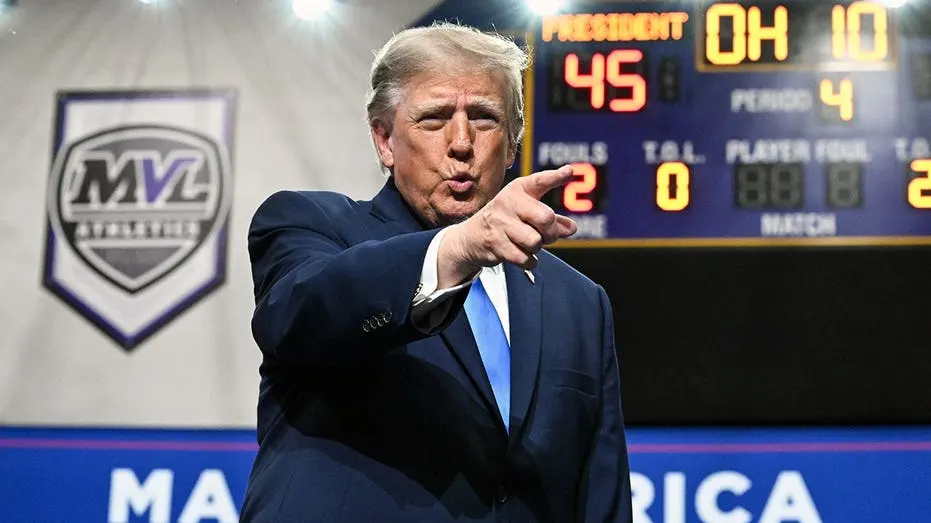
President Donald Trump held a rally in Dayton, Ohio, on Saturday to promote Republican midterm candidates, casting the election as an opportunity to extend economic gains he attributes to Republican policies. With his own name absent from the ballot, Trump instructed supporters to effectively treat the midterms as if he were running, emphasising that "when I run, we win."
Trump highlighted billions in corporate investment in Ohio, including a $400 million Stellantis investment in Toledo, an $850 million Electra aerospace investment near Springfield, and a $2.2 billion Bayer pharmaceutical manufacturing campus near Columbus. He credited his tariff policies for attracting these investments and pledged to sign the Ratepayer Protection Act to shield consumers from data centre electricity costs, whilst promoting a $5,000 payment proposal to adult Americans if Republicans maintain control of Congress.
- Trump rallied Ohio voters to support Republican midterms without his own candidacy
- He cited billions in state investments, crediting tariff policies for economic growth
- Trump proposed $5,000 payments to Americans if Republicans retain Congress
New here? Start with this
Midterm elections are held roughly halfway through a president's term to elect members of Congress, the body responsible for making laws and controlling government spending. These elections are typically seen as a referendum on the sitting president's performance, with the party in power often losing seats.
Donald Trump is the former US president who left office in 2021. Though he is not appearing on the ballot himself, he remains influential within the Republican Party and is actively campaigning to help Republican candidates win these midterm races.
Trump's efforts reflect the significance of these elections. Control of Congress determines which party can advance its policies over the next two years, making midterms crucial for any party wanting to maintain or gain political influence.
Both sides, in good faith
The strongest fair case each way — we don't pick a winner.
The case for
The concrete investments Trump highlighted—billions in manufacturing capacity in Ohio—demonstrate tangible economic results that voters can recognise in their communities. Supporters argue his tariff-driven approach to manufacturing policy has successfully incentivised companies to build domestic capacity rather than offshore production, creating substantial job opportunities. These visible, material outcomes represent the economic gains Republicans campaign on, and voters reasonably assess leadership partly on whether their policies generate such investment and prosperity.
The case against
Whilst these investments are genuine, critics contend that Trump overstates his policies' causal role in them. Companies make location decisions based on multiple factors—supply chain risk, labour markets, existing infrastructure, and state incentives—not tariffs alone. Moreover, tariff policies carry substantial costs including higher consumer prices, retaliatory trade measures harming American exporters, and economic inefficiencies that aren't reflected in rallies focused on positive announcements. A fair assessment requires weighing these investments against tariffs' broader economic impact, not crediting them uncritically to one policy lever.