Entertainment news and discussion on TalkFuse.
Two anime giants sign multi-billion deal that will shake up the industry
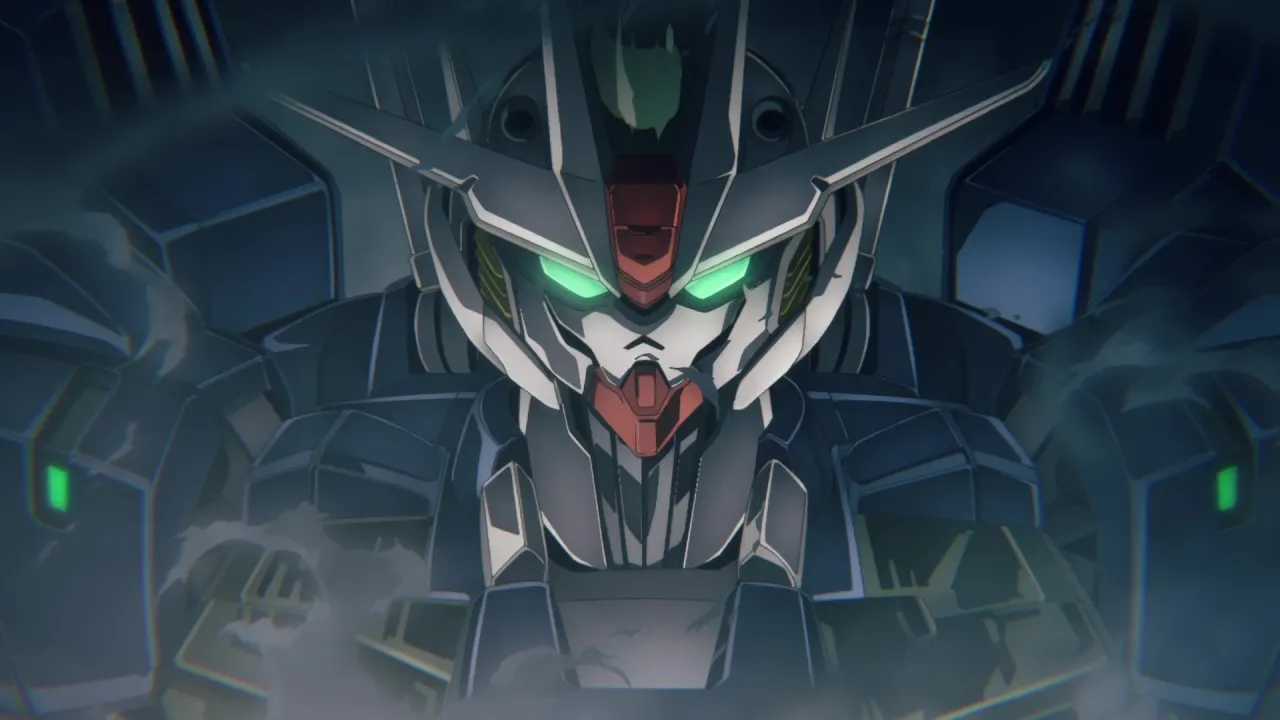
Two major entertainment firms—Twin Engine, an anime production company behind series including Vinland Saga, and Bandai, a conglomerate controlling major franchises like Gundam and One Piece—have formed a partnership to jointly develop original intellectual properties across multiple mediums. The 4 billion yen agreement emphasises coordinated development from creation through commercialisation, treating manga, animation, and merchandise as integrated projects rather than separate ventures.
This collaboration exemplifies a significant restructuring in Japanese anime production. The traditional "production committee system," where multiple companies shared financial risk and production control, is giving way to consolidated models where companies retain greater in-house ownership and creative autonomy. Companies like MAPPA have pioneered this approach, funding projects independently and negotiating deals like their Netflix partnership. The shift responds to two pressures: the industry's explosive global expansion requires more coherent long-term strategies, whilst established players like Kadokawa report declining profitability, attributed partly to over-reliance on formulaic content under the old system.
In short
- Twin Engine and Bandai partner with 4 billion yen investment to develop cross-media intellectual properties spanning manga, animation, and merchandise
- Deal reflects broader industry shift away from traditional production committees toward vertical integration and in-house creative control
- Part of anime's adaptation to global growth; competitors like MAPPA demonstrating model's viability whilst established players face profit pressures
Steelman: both sides, in good faith
The strongest fair case each way — we don't pick a winner.
The case for
The case for consolidated development reflects the industry's evolution: as anime expands into a global, multibillion-pound market, the committee system's fragmented control becomes untenable. When financial stakes and creative input scatter across numerous companies, decision-making slows and risk-aversion stifles ambitious projects, ultimately producing formulaic content and declining profitability. Vertical integration—bringing manga, animation, and merchandise under unified direction—enables companies like MAPPA to maintain artistic coherence whilst investing boldly in properties for sustained international success.
The case against
The production committee model, despite apparent inefficiencies, provides irreplaceable safeguards against consolidation's risks. Distributing financial burden and creative authority across multiple firms protects individual companies from ruin whilst fostering diverse artistic visions through collaborative exchange. Consolidation concentrates power among large conglomerates, erecting barriers to smaller studios and eliminating the competitive dynamism historically driving innovation. Specialisation within the committee framework allowed companies to excel in their particular domains, and the collaborative iterative process produced richer creative outcomes than vertically integrated giants typically achieve.
Explained simply
Twin Engine produces anime, while Bandai is a large entertainment company with interests in franchises such as Gundam and One Piece. Their partnership is intended to develop new stories and characters across manga, animation and merchandise, linking those stages from the outset.
Anime projects have often been funded and managed by groups of companies that share costs and rights. Some firms are now taking a more joined-up approach, keeping more control over how a project develops and earns money. The change matters as anime reaches larger audiences worldwide and companies look for ways to build lasting franchises.