Two Equestrian Deaths in Separate British Eventing Events Spark Safety Concerns
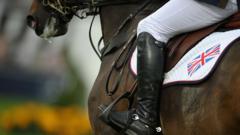
Two experienced horse riders died on Saturday after falls during cross-country phases at separate British Eventing competitions. Sophie Fouracre, 34, was fatally injured whilst riding Rhubarbsfox Brittania at Swalcliffe Park in Oxfordshire, whilst hours later Kerry Donoghue, 42, died from injuries sustained riding Carneyhaugh Rua at an event in Penrith, Cumbria. Both incidents occurred within the same day, each involving different competitions and different horses.
The deaths have renewed concerns about safety standards within equestrian eventing, a discipline that combines dressage, cross-country riding, and show jumping. This weekend's fatalities are part of a broader series of riding-related deaths that have prompted scrutiny of risk management practices in the sport. The incidents underscore ongoing questions about whether current safety protocols and medical response procedures adequately protect competitors in what remains a high-risk discipline.
- Two horse riders died in separate cross-country accidents on the same Saturday at British Eventing competitions in Oxfordshire and Cumbria
- The deaths add to a pattern of equestrian fatalities that have raised broader safety and risk-management questions within the sport
- Both riders were experienced, with incidents occurring hours apart at different venues
New here? Start with this
Riders competing at "eventing" level take part in a discipline that blends dressage, cross-country and show jumping, with the cross-country phase widely seen as the most physically demanding and dangerous, as it involves galloping over fixed obstacles at speed. Sophie Fouracre and Kerry Donoghue were both experienced competitors taking part in separate British Eventing fixtures, in Oxfordshire and Cumbria respectively, when they were fatally injured in falls during this phase.
British Eventing is the governing body that organises and regulates competitions of this kind across the UK, setting the safety rules and medical provisions riders and horses compete under. Deaths in the sport, while rare, are not unprecedented, and previous fatalities have periodically triggered reviews of course design, protective equipment and emergency response arrangements.
The significance of these two deaths lies in their proximity, happening on the same day at different events, which has intensified existing questions about whether current safety measures are sufficient to protect riders in a sport that carries acknowledged risks.
Both sides, in good faith
The strongest fair case each way — we don't pick a winner.
The case for
Advocates for stronger safety reform argue that two fatalities in a single day, set against a wider pattern of eventing deaths, cannot be dismissed as unconnected misfortune and point to a duty of care owed to competitors. They contend that governing bodies should urgently reassess course design, frangible-fence technology, medical response times and horse-rider vetting, arguing that a sport cannot credibly ask riders to accept such risks without demonstrating it is doing everything possible to reduce them.
The case against
Others, including many experienced riders and officials, argue that cross-country eventing has already undergone substantial safety reform over recent decades, from frangible pins to air jackets and stricter qualification rules, and that tragic individual incidents, however devastating, do not automatically prove systemic failure. They caution against reactive regulatory changes that could erode the essence of a discipline freely chosen by informed adult competitors, stressing that inherent risk, properly managed, is part of what the sport represents rather than evidence of institutional negligence.
Coverage