U.K. Approves Paramount-Warner Bros. Merger
Developed over time first seen 2 months ago
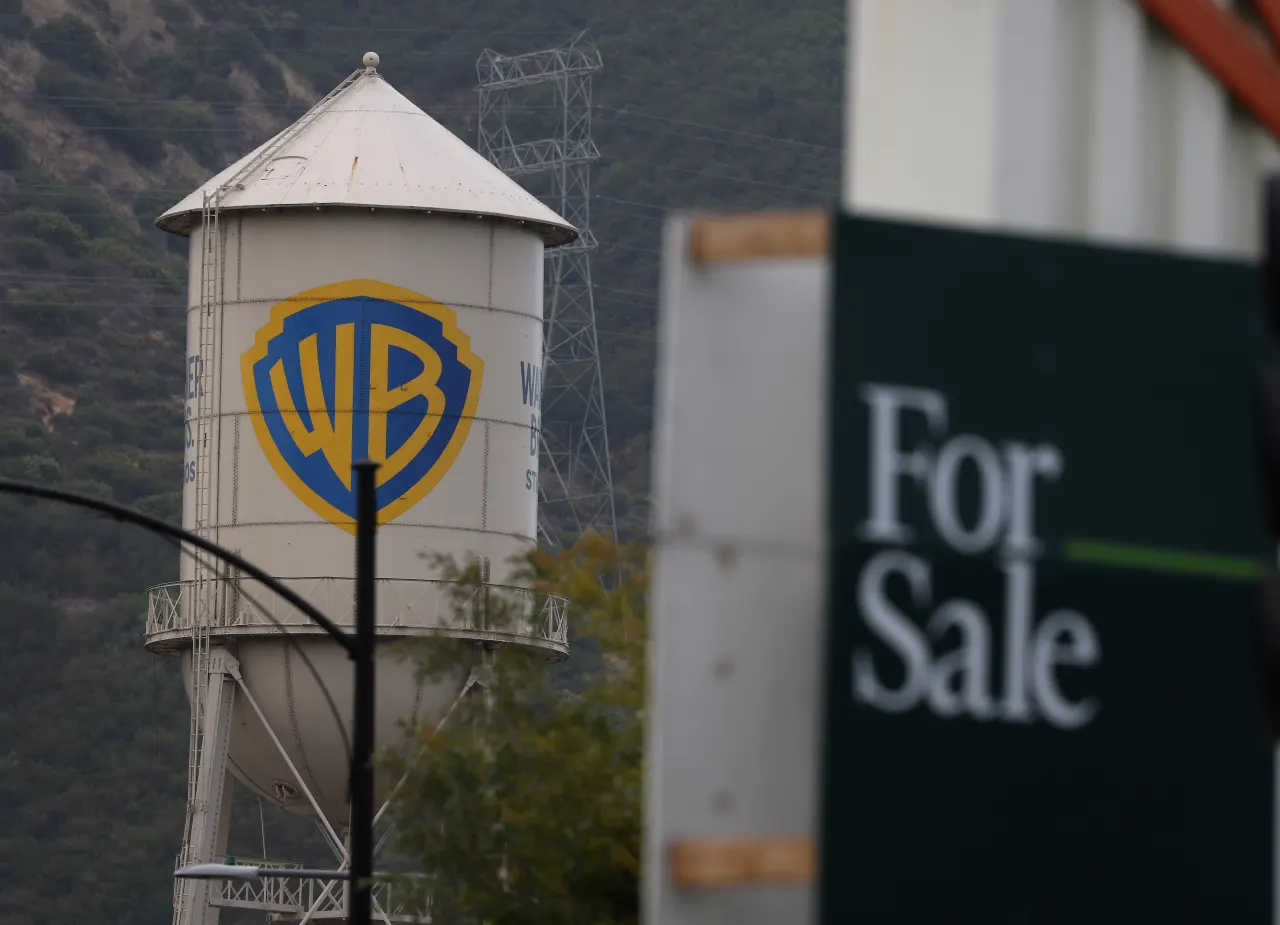
The UK has approved Paramount Skydance’s $111 billion acquisition of Warner Bros., concluding that it does not require further competition intervention. The decision matters because the enlarged media group has made legally binding commitments intended to protect UK broadcasting, news independence and local programme investment.
The Competition and Markets Authority examined areas including cinema distribution, children’s linear television and subscription video-on-demand. Paramount promised to preserve the editorial identities of its channels and streaming services, keep Channel 5 News separate from CBS News and CNN International, maintain CNN International’s UK availability, and continue Channel 5’s public-service broadcasting role with additional funding for UK news, children’s content and drama.
- UK clears Paramount’s $111 billion Warner Bros. acquisition.
- Commitments protect Channel 5, news independence and children’s programming.
- CMA found no competition concerns needing further action.
New here? Start with this
Paramount Skydance and Warner Bros are two major American media companies. Paramount, which owns brands including Channel 5 in the UK, Nickelodeon and CBS, has been trying to buy Warner Bros, the owner of CNN International among other assets, in a deal worth around $111 billion. Because both companies operate in the UK, the merger needed sign-off from British regulators before it could go ahead here.
Two separate checks were involved. The Competition and Markets Authority looks at whether a deal would reduce competition or harm consumers, while the Culture Secretary can intervene separately to protect "media plurality," meaning a healthy mix of independent voices in news and broadcasting, and diversity in what is shown on air.
This matters because Channel 5 is a Public Service Broadcaster, a status that comes with specific obligations to provide UK-made news, children's programmes and other content in the public interest. Any change of ownership raises questions about whether those commitments, along with the independence of Channel 5's newsroom and the availability of services like CNN International, would be preserved under new American owners.
Both sides, in good faith
The strongest fair case each way — we don't pick a winner.
The case for
Advocates of approval argue this is a straightforward case of the system working as intended: the CMA found no competition concerns, and rather than blocking the deal or leaving plurality to chance, the government extracted firm, legally-binding commitments that preserve editorial independence for Channel 5 News, safeguard UK children's programming, and secure continued funding for public service broadcasting. From this view, conditional approval delivers the benefits of consolidation, investment, scale, and the deal's economic value, while directly addressing the specific risks (foreign editorial influence, loss of domestic content) that plurality rules exist to prevent, making outright blocking unnecessary and potentially self-defeating.
The case against
Sceptics of the merger contend that behavioural commitments from a single dominant owner are inherently harder to enforce than structural safeguards, and that consolidating a major slice of British broadcasting and children's content under one US conglomerate, however carefully worded the assurances, still concentrates editorial and commercial power in ways that could erode over time as market pressures mount. They would argue that promises to keep Channel 5 News editorially distinct from CBS and CNN, or to maintain original UK children's content, are easier to make during a regulatory review than to honour years later once cost-cutting or ownership priorities shift, and that true media plurality is better protected by limiting consolidation itself rather than relying on a corporation's word.
More coverage
- The Hollywood Reporter — U.K. Competition Watchdog Approves Paramount-Warner Bros. Discovery Mega-Deal
- Deadline — Paramount’s Takeover Of Warner Bros. Cleared By UK Authorities