UN pushes nations to consider slavery reparations but legal group says idea ‘not going to fly in the US’
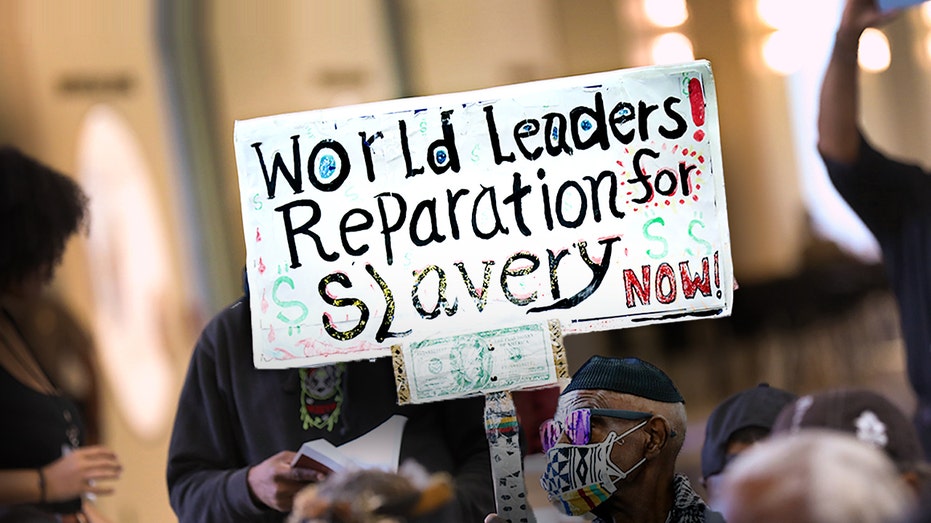
The UN's Committee on the Elimination of Racial Discrimination (CERD) has said countries are legally obliged to consider reparations for the transatlantic slave trade, calling for measures including compensation, restitution and structural reforms to address the lasting effects of racial discrimination. The move has drawn sharp criticism in the United States, where a lawyer for the conservative group Judicial Watch dismissed the idea as unworkable and unconstitutional, arguing the UN has no authority over US law.
CERD says the obligation stems not from historical slave-trade-era standards but from a legally binding 1965 convention on racial discrimination, and stresses that financial compensation alone is insufficient without wider structural change. The guidance follows a UN General Assembly resolution earlier this year branding the transatlantic slave trade the "gravest crime against humanity". In the US, reparations schemes have already sparked legal battles, notably in Evanston, Illinois, the first US municipality to offer reparations (paying eligible Black residents and descendants $25,000 over historic housing discrimination), which now faces a Justice Department-backed lawsuit from Judicial Watch alleging the programme unconstitutionally discriminates by race.
- UN body says states must legally consider slavery reparations.
- Judicial Watch lawyer calls the idea unconstitutional and unworkable in the US.
- Evanston, Illinois' reparations scheme already faces a DOJ-backed legal challenge.