Trump administration defends $5.5m taxpayer-funded patriotic adverts amid criticism
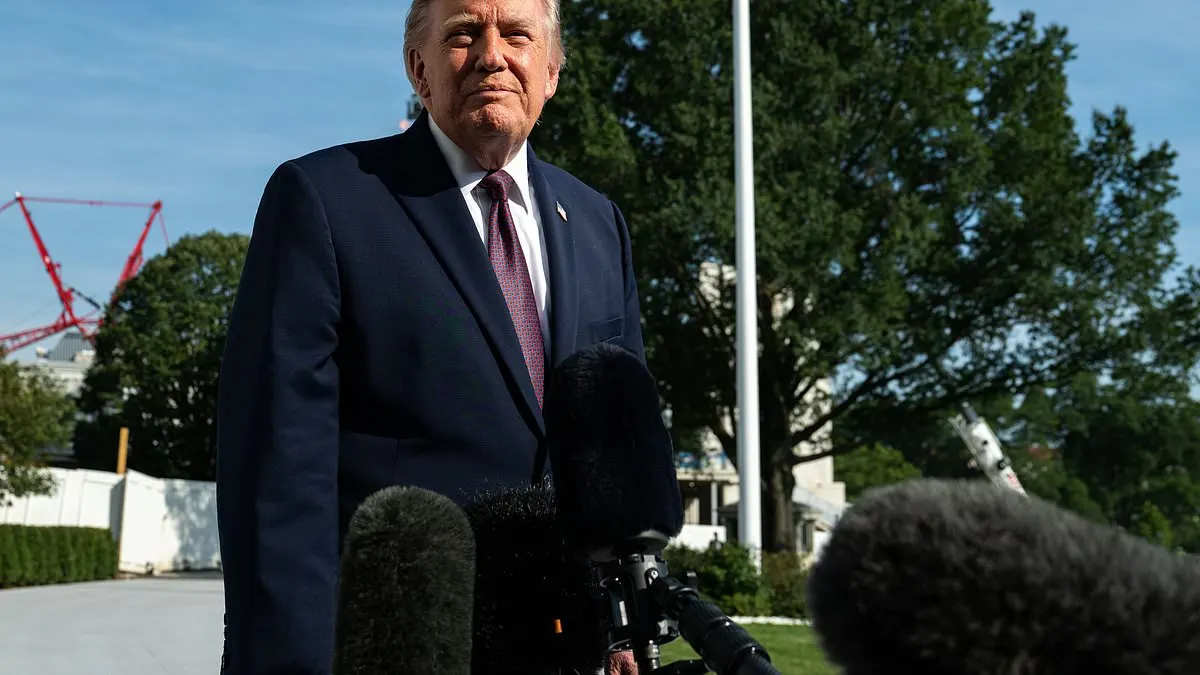
The White House spent $5.5 million in taxpayer money from the Department of Homeland Security on television advertisements praising Donald Trump's presidency and promoting patriotic values in late September. The ads featured patriotic imagery, Trump's accomplishments, and a promise that America would "never be a communist country," and drew criticism from politicians across both parties who said they violated laws prohibiting government-funded political propaganda.
The advertisements were commissioned under a $20 million contract, with more scheduled to air, and featured a song called "Love Me" by artist JMSN, who has disputed its use. The White House defended the spots as "educational and unapologetically patriotic," while senior Democrats demanded their removal and compared them to propaganda tactics from North Korea. Trump himself told the New York Times he would "gladly" pay for the ads if deemed improper, contending he was promoting the country rather than himself because he is not running for office.
- White House spent $5.5m of taxpayer money on ads praising Trump's presidency
- Critics say ads breached laws against government propaganda and political spending
- Trump faces record low approval ratings ahead of upcoming midterm elections
New here? Start with this
The White House has spent $5.5 million in taxpayer money on television advertisements promoting patriotic values and President Trump's presidency, with further spending planned through a $20 million contract. The advertisements feature patriotic imagery and messaging about American achievements.
Critics from both major political parties have challenged the advertisements, arguing that using government funds to create ads praising the sitting president violates federal laws prohibiting government-funded political propaganda. The White House has defended the spots as "educational and unapologetically patriotic," with Trump indicating he would pay personally if the government spending is deemed improper.
This dispute raises questions about the proper use of government funds and where the line lies between legitimate public information campaigns and political promotion. It reflects deeper disagreements about what constitutes appropriate government messaging.
Both sides, in good faith
The strongest fair case each way — we don't pick a winner.
The case for
The advertisements promote American patriotic values and the administration's accomplishments in governance, which constitutes legitimate educational messaging rather than political campaigning. Since the president is not running for reelection, promoting his presidency's achievements is promoting the country's interests rather than personal electoral advantage. The distinction between governing communications and campaign propaganda—where the latter explicitly seeks votes—provides a defensible legal foundation, particularly when the content emphasises national security and patriotic values rather than electoral benefit.
The case against
The ads inappropriately deploy taxpayer resources to valorise a specific president's administration, crossing the established legal line against government-funded political propaganda. Regardless of electoral candidacy, using federal agencies' budgets to broadcast advertisements praising a particular president's record and image represents a misuse of public funds and Department of Homeland Security resources, which exist for security purposes rather than executive image-making. The scale and timing of the £20 million contract during election season, combined with explicit praise for Trump and his presidency, demonstrate political intent that federal anti-propaganda law prohibits.
Read the full article at the source →
Originally published by Daily Mail as “‘Unapologetic’ Trump brazenly defends using $5.5MILLION of taxpayers’ money to fund fawning ‘Love Me’ TV ads… and he’s set to spend even more”.