University opens government-funded lab to help train biomedical scientists
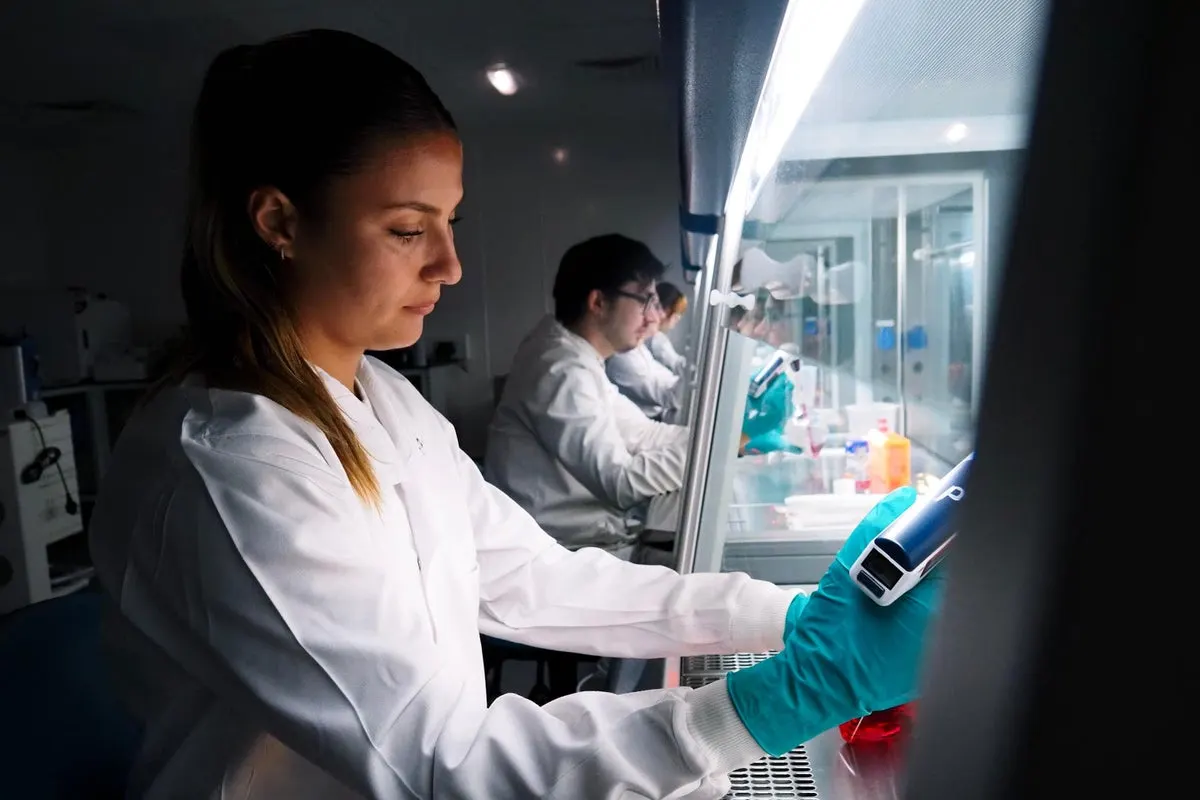
The University of Essex has unveiled a newly constructed £2.5 million training laboratory funded by the Office for Students, designed to prepare the next generation of biomedical professionals for careers in healthcare and life sciences. The facility, called BioSTAR-Lab, incorporates dedicated spaces for cancer diagnostics alongside microbiology and molecular biology laboratories, allowing students to conduct research projects using equipment and techniques reflective of real-world clinical and research environments.
The facility's launch coincides with growing demand for qualified life scientists across the UK, where the sector already employs more than 300,000 people. The University of Essex is also introducing its first undergraduate biotechnology degree programme, reflecting institutional confidence in workforce opportunities within vaccine development, pharmaceutical manufacturing, and diagnostic technology. University leadership framed the investment as essential to producing graduates with both technical expertise and analytical capabilities needed across the NHS and broader life sciences industries.
- University of Essex opens £2.5m government-funded biomedical training laboratory to prepare graduates for NHS and life sciences roles
- BioSTAR-Lab provides hands-on experience in cancer diagnostics, microbiology, and molecular biology with modern healthcare equipment
- Investment reflects expanding demand across UK life sciences sector, now employing over 300,000 workers
New here? Start with this
University of Essex has built a new £2.5 million laboratory, called BioSTAR-Lab, funded through the Office for Students, a government body that oversees higher education in England. The lab is intended to give biomedical science and biotechnology students hands-on training in areas such as cancer diagnostics, microbiology and molecular biology, using equipment similar to that found in real hospitals and research settings.
The move comes as the UK's life sciences sector, which already employs more than 300,000 people, faces rising demand for skilled workers in fields like vaccine development, drug manufacturing and diagnostic testing. Alongside the new lab, Essex is launching its first undergraduate biotechnology degree, aimed at preparing graduates for roles across the NHS and the wider life sciences industry.
Universities across the UK regularly invest in new facilities and courses to align with government priorities and workforce needs in areas such as healthcare and science. This development fits into that wider pattern, reflecting ongoing discussion about how well the education system is preparing people for jobs in medicine, research and biotechnology.