US Space Force retires satellite system after 55 years of missile warnings
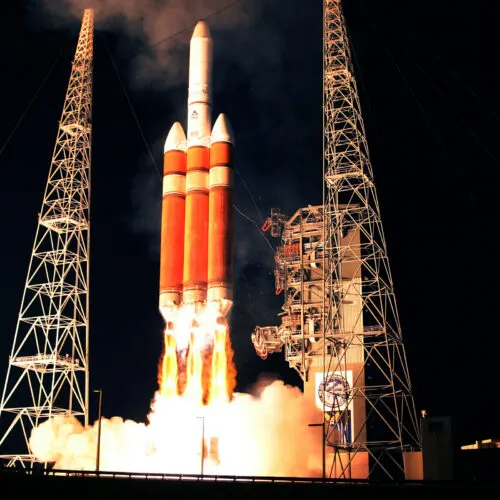
The US Space Force has retired the Defense Support Program (DSP), a constellation of satellites that detected missile launches from orbit for more than 55 years. It helped underpin US nuclear deterrence during the Cold War and later warned troops of missile attacks, so its retirement marks the end of a long-running era in space-based early warning.
The final two surviving DSP satellites took part in an orbital manoeuvre in early September, then raised their orbits by several hundred kilometres, consistent with moving them to graveyard orbits. The first DSP satellites launched in 1970 with about 2,000 infrared detectors each; later versions carried more than 6,000. The Space Based Infrared System has been operational since 2011, and the first Next-Generation Overhead Persistent Infrared satellite could launch within 12 months.
- The Space Force has retired its final two DSP satellites.
- DSP monitored missile launches for over 55 years.
- Newer warning satellites have replaced the system.
New here? Start with this
The Defence Support Programme was a constellation of satellites operated by the US military that detected missile launches from space for over five decades. Equipped with sensitive infrared detectors, these satellites could spot the heat signature of missiles as they launched, providing crucial early warning of potential missile attacks. This capability underpinned America's nuclear deterrence strategy during the Cold War and continued to warn military forces of missile threats in subsequent decades.
The system began operations in 1970, making it one of the longest-running space-based defence programmes in history. The earliest satellites carried approximately 2,000 infrared detectors each, but later versions were equipped with more than 6,000, allowing them to scan wider areas and detect launches more reliably. Over its 55-year lifespan, the system proved itself a cornerstone of American strategic warning capabilities.
The Space Based Infrared System, which became operational in 2011, has already assumed the missile-detection role previously handled by the Defence Support Programme. An even newer system, the Next-Generation Overhead Persistent Infrared satellite, is expected to launch within approximately a year, continuing this tradition of space-based early warning. The retirement of the Defence Support Programme therefore represents a transition between systems rather than a gap in America's ability to detect missile launches.
Read the full article at the source →
Originally published by Ars Technica as “US military ends long-running program to spot nuclear missile launches”.