US seeks answers from Moscow over reported Siberian lab plague death
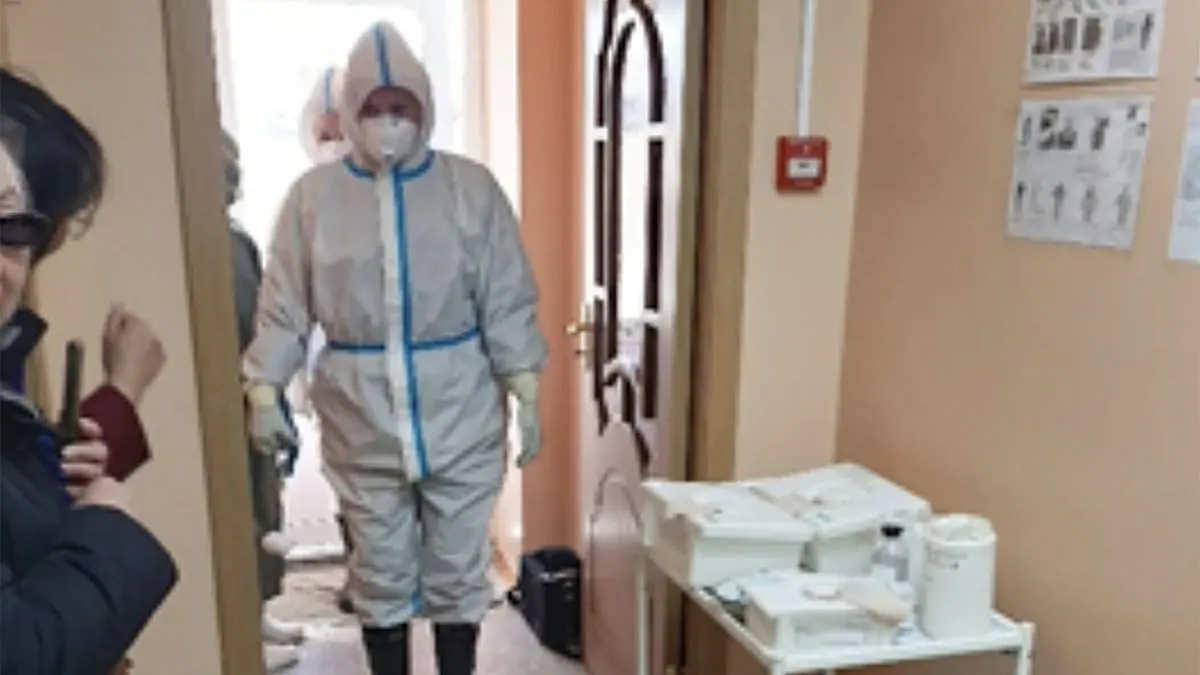
The United States is urgently demanding clarification from Moscow regarding the reported death of a laboratory technician from plague in Russia's Siberia region. Darya Shipilova, 28, a worker at the Irkutsk Anti-Plague Research Institute, reportedly died on 2 October after accidentally breaking a test tube containing live bacteria; Russian authorities claim she died from "unidentified pneumonia", but reports suggest she contracted pneumonic plague caused by the bacterium responsible for the medieval Black Death. President Donald Trump has said he will speak with Russian President Vladimir Putin about the possible outbreak, and the State Department has formally requested additional information via diplomatic channels known as a demarche.
The incident has triggered significant alarm in Russia's quarantine zone. Hundreds of people who came into contact with Shipilova, along with five hospitals including a maternity unit, have been placed under quarantine for three weeks. Local reports claim a second person has also died of plague in the Irkutsk region. Over the weekend, panic spread through pharmacies across Irkutsk and nearby Shelekhov, with residents rushing to buy antibiotics, and fights reportedly breaking out as pharmacies were cleaned out of stock. The US Embassy issued a health alert on 6 October regarding the suspected pneumonic plague outbreak, whilst US Secretary of State Marco Rubio and the World Health Organisation's head have called on Russia to be transparent about the situation.
- Lab technician died in Russia, suspected plague from broken test tube.
- US demands transparency; Trump to speak with Putin about outbreak.
- Panic buying of antibiotics as multiple hospitals quarantined; possible second death.
New here? Start with this
A laboratory technician in Siberia has died following an accident at a research institute, with conflicting accounts of the cause. Russian authorities say 28-year-old Darya Shipilova, who worked at an anti-plague research facility in Irkutsk, died from pneumonia after breaking a test tube. However, reports from Russia suggest she actually contracted pneumonic plague, the airborne form of the disease responsible for the medieval Black Death.
The reported incident has triggered significant alarm in the region. Hundreds of people who had contact with Shipilova are now in quarantine, as are five hospitals including a maternity ward. Media reports suggest a second person has died from plague in the region, and panic has spread through pharmacies in Irkutsk and nearby cities, with residents rushing to buy antibiotics as supplies ran out.
The situation has attracted international attention and concern. The United States is demanding answers, with President Trump saying he will speak to Russian President Vladimir Putin about the incident. The US State Department has formally requested clarification from Moscow, and the World Health Organisation has called for Russia to be transparent about what happened and any possible outbreak.
Both sides, in good faith
The strongest fair case each way — we don't pick a winner.
The case for
Global public health security demands candid information-sharing across borders, as infectious diseases respect no political boundaries. A probable death from plague—one of history's most lethal pathogens—at an international research facility warrants transparent communication to prevent misinformation and enable appropriate international precautions. The official account shifting from plague to 'unidentified pneumonia' raises legitimate concerns about the reliability of communications. In an interconnected world, transparency about potential outbreaks is essential for protecting everyone's health.
The case against
Russia is demonstrably responding seriously to this incident through extensive quarantine measures, suggesting competent crisis management. Escalating external pressure and suspicion, particularly from historically contentious powers, risks undermining productive cooperation; such pressure may reflect Cold War-era distrust more than evidence-based concerns. What appears to be a confined occupational accident at a research facility does not constitute a general population outbreak, yet framing it as a transparency crisis risks needless diplomatic damage. Effective international cooperation emerges from assuming good faith and engaging respectfully, rather than from external demands that invite defensive responses.
Read the full article at the source →
Originally published by Daily Mail as “US urgently calls for answers from Moscow over laboratory ‘plague death’ and Trump says he’ll speak to Putin as ‘fights break out over antibiotics in Russian quarantine zone’”.