Van-dwellers accused of turning seaside town into ‘unregulated campsite’ by parking up for months at a time outside homes of furious locals
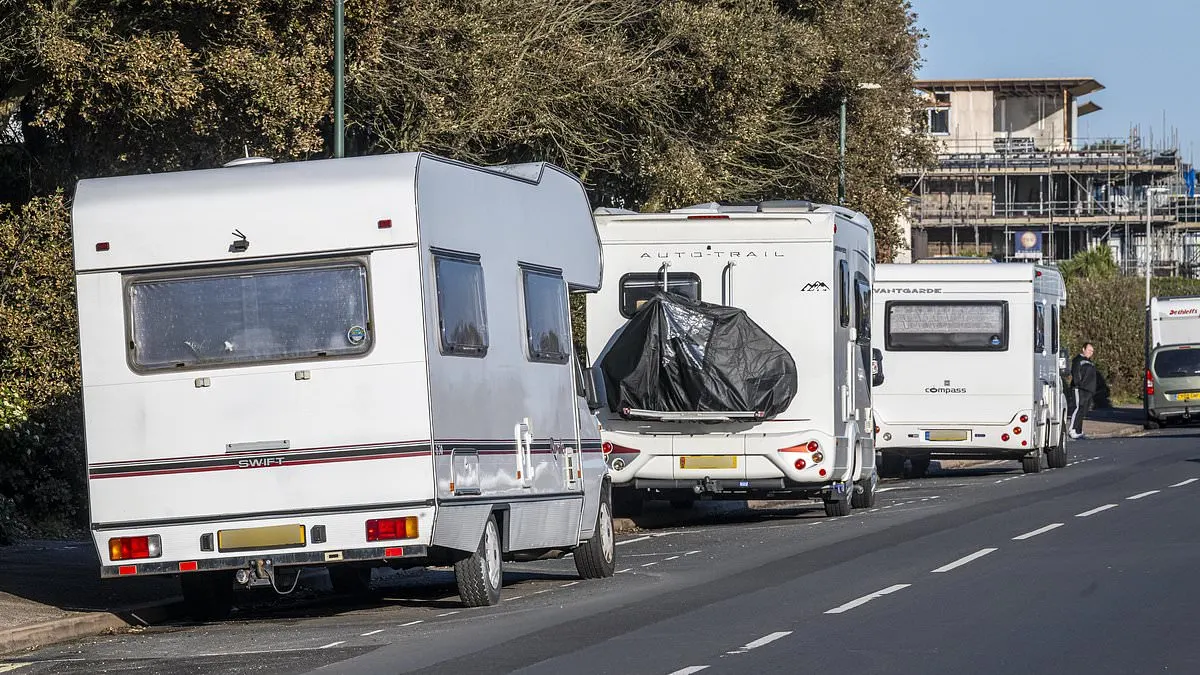
Residents in the Bournemouth coastal areas of Boscombe and Southbourne have complained that dozens of motorhomes parked for months on end are creating an unregulated campsite, with reports of anti-social behaviour, safety hazards and sanitation issues. Over 100 residents attended a meeting to voice anger at the council's inaction, and more than 1,600 signed a petition calling for enforcement and restrictions. The dispute highlights tensions between mobile living communities and established residents demanding local authorities take action.
Specific complaints include blocked pavements with awnings and chairs, clotheslines, burnt rubbish, human waste in a children's play park, and vehicles so closely parked they pose a fire risk. The issue began after the council changed parking restrictions in 2019, but residents say action has been delayed for years. The council's recent "Van Life Listening Enquiry" received just 16 survey responses and attracted five people to a listening session, which residents view as insufficient basis for policymaking.
- Residents and council clash over dozens of long-term camper vans in seaside town.
- Over 1,600 sign petition demanding enforcement and restrictions.
- Council's survey of van dwellers drew minimal response; residents claim dismissal.
New here? Start with this
Bournemouth's coastal neighbourhoods of Boscombe and Southbourne have seen a significant increase in motorhomes parked on residential streets. Residents have raised concerns about the long-term parking, citing blocked pavements, sanitation problems and safety hazards.
The situation has created a conflict between established residents demanding council action and van-dwellers seeking places to legally park their mobile homes. Local authorities face the challenge of balancing these competing needs, as parking restrictions and land-use policies have not kept pace with growing numbers of people living in vehicles.
The dispute reflects wider questions about how busy seaside towns can accommodate different communities with competing needs for space. The issue highlights gaps in local policy when it comes to regulating vehicle-based living arrangements in residential areas.
Both sides, in good faith
The strongest fair case each way — we don't pick a winner.
The case for
The mobile living community represents a legitimate lifestyle choice and practical housing solution, particularly given housing affordability crises that price people out of traditional accommodation. Many van-dwellers follow the law and respect communities; holding an entire group accountable for poor behaviour by some is unfair stereotyping. Coastal towns' housing costs have made them increasingly inaccessible to ordinary people, and restricting where people can legally park effectively denies them access to places they wish to live. Genuine dialogue and understanding respects their autonomy and dignity rather than enforcement-first approaches.
The case against
Residents have documented, legitimate concerns about their neighbourhoods transforming into unregulated camps, with genuine impacts on public health, safety and quality of life including blocked pavements, sanitation failures, and fire hazards. They have engaged through proper democratic channels—petitions, public meetings—yet the council has been slow to act despite clear community consensus over years. Long-term parking in residential areas creates permanent encampments rather than transient mobile living, fundamentally disrupting established communities and their use of shared public spaces. Balancing competing rights requires enforcement to prevent residential streets from becoming de facto campsites.