Viking 1 landed on Mars 50 years ago
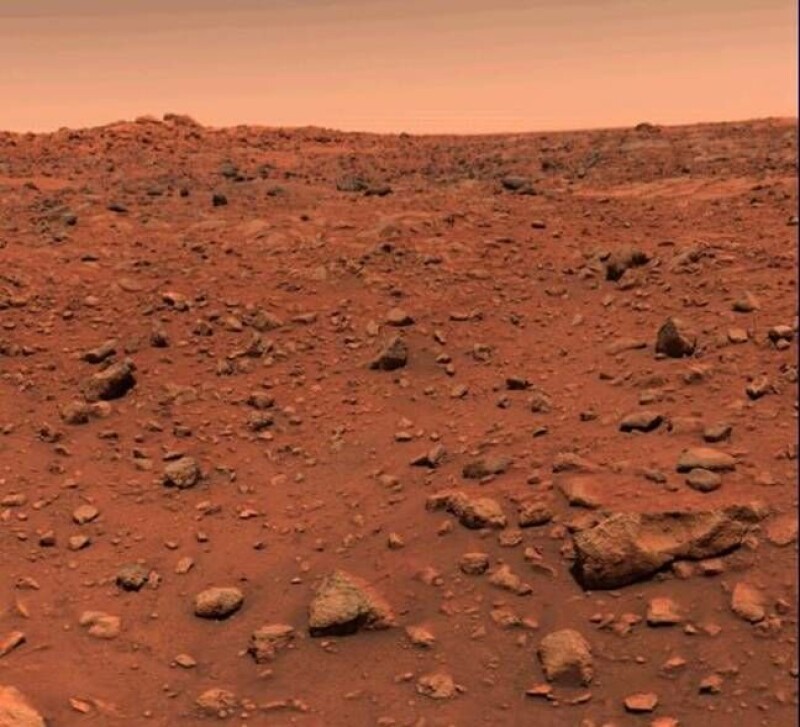
Half a century ago, on 20 July 1976, NASA's Viking 1 lander touched down on Mars, becoming part of one of the most expensive robotic missions the agency has ever undertaken. The mission marked a landmark moment in planetary exploration, delivering the first close-up analysis of Martian soil and striking images of the surface, and its lander far outlasted its planned lifespan, ultimately being felled not by hardware failure but by human error.
Launched on 20 August 1975, Viking 1 entered Mars orbit on 19 June 1976, with landing originally planned for 4 July to mark the US Bicentennial before safety concerns pushed it back to the Apollo 11 anniversary instead. The lander touched down on Chryse Planitia, conducted the first sampling of Martian soil via its robotic arm and biological laboratory, and was kept running well beyond its 90-day mission by a plutonium-powered generator. It continued transmitting until November 1982, when engineers, trying to prolong its ageing batteries with a new charging sequence, accidentally overwrote the memory locations controlling its high-gain antenna, silencing the lander for good.
- Viking 1 landed on Mars 50 years ago, on 20 July 1976
- It outlived its 90-day mission by over six years
- A 1982 software error wiped its antenna data, ending contact