Vile wine mom buddy of GOP governor got very light sentence for drunkenly maiming teenager with her Escalade. Now a suspected revenge plot has backfired spectacularly and returned her to jail
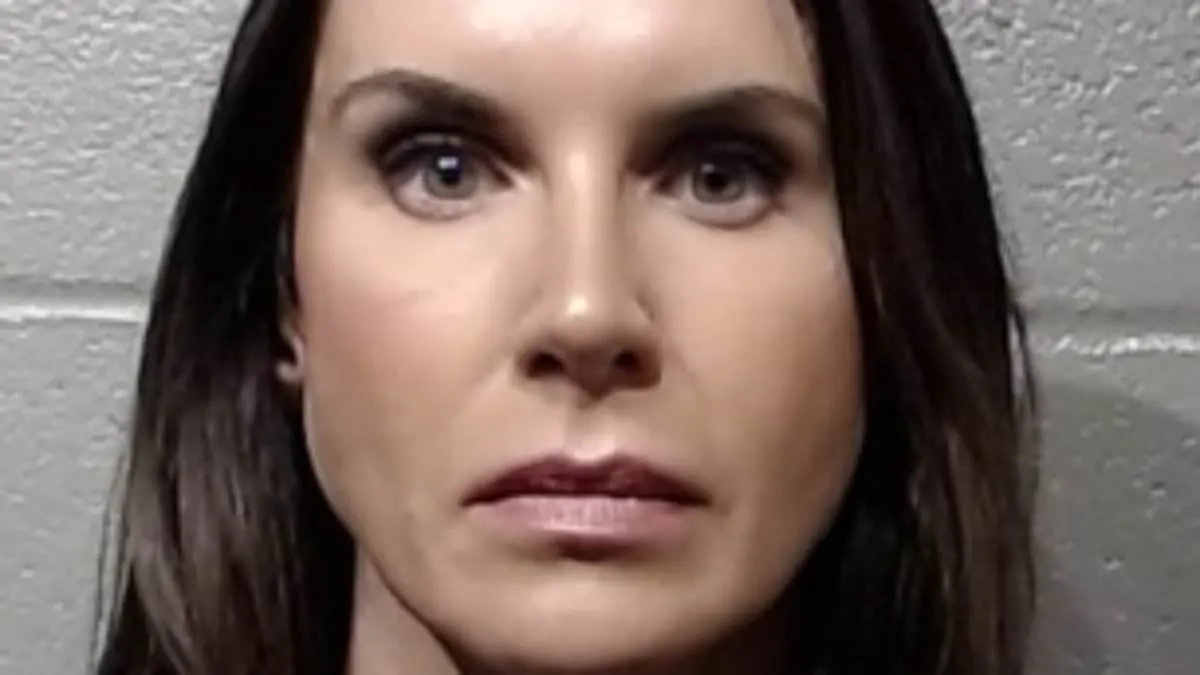
Sara Polston, an Oklahoma woman who served 73 days of an eight-year sentence for a drunken crash that severely injured a teenager, has been jailed again. Prosecutors have charged her with two felony counts of illegal voting, alleging she voted in two Republican primary elections while barred from voting as a convicted felon; she has not entered a plea.
The crash in 2023 left Micaela Borrego with brain damage and permanent disabilities, and her mother is now her full-time carer. Polston pleaded guilty to causing greater bodily injury while driving under the influence, and her early release prompted public anger after a grand jury found Governor Kevin Stitt had called corrections officials on her behalf. Borrego’s lawyer has suggested the voting allegations may relate to tensions following Polston’s release, but no motive has been established.
- Sara Polston faces two felony illegal voting charges.
- Prosecutors allege she voted in June and August primaries.
- Her early release after a serious DUI crash drew scrutiny.
New here? Start with this
Oklahoma sets prison sentences through the courts, while the governor can grant clemency and state corrections officials oversee people in custody. Felons who are barred from voting may face criminal charges if they cast a ballot, though the allegations must be proved in court.
In 2023, Sara Polston pleaded guilty to causing serious injury while driving under the influence after a crash left teenager Micaela Borrego with brain damage and lasting disabilities. Polston served 73 days of an eight-year sentence before her release drew scrutiny; a grand jury found Governor Kevin Stitt had contacted corrections officials on her behalf.
Both sides, in good faith
The strongest fair case each way — we don't pick a winner.
The case for
The voting charges, if proved, would represent a serious breach of rules that temporarily remove voting rights after a felony conviction, and prosecution can uphold the integrity of elections. Given the earlier harm caused by Polston’s drink-driving, some may also see renewed custody as accountability, while recognising that the new allegations must be decided on their evidence.
The case against
Polston has not entered a plea, so the voting allegations remain unproved and should not be treated as established wrongdoing or as proof of a revenge plot. Critics may argue that prosecution should be proportionate and based on evidence of deliberate illegal voting, while scrutiny of her earlier release and the governor’s reported intervention is a separate matter from the new charges.