Ireland face Israel amid debate over football and regional conflict
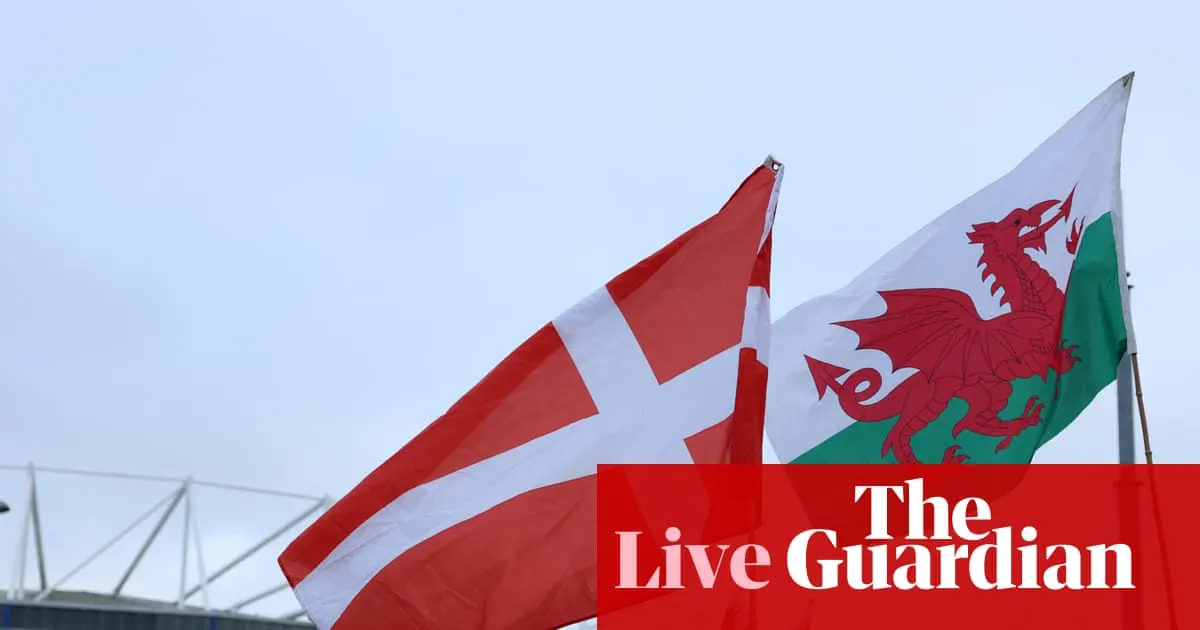
Today's Nations League programme features a Republic of Ireland versus Israel match that has drawn scrutiny owing to geopolitical tensions and humanitarian concerns affecting the region. The article explores questions about whether such matches should proceed and whether athletes have a responsibility to take political positions on behalf of their nations.
The fixture is one of several matches scheduled today, with Wales also playing at home and Portugal starting a new chapter without Cristiano Ronaldo. The article considers football's dual nature as both an escape from and a reflection of real-world crises, with today's fixtures exemplifying this tension.
- Republic of Ireland v Israel match amid geopolitical tensions and concerns
- Football offers escape from yet reflects global crises simultaneously
- Wales play at home; Portugal start post-Ronaldo era
New here? Start with this
The Republic of Ireland is scheduled to play Israel in a Nations League football match today. The fixture has become a focal point for debate because of long-standing tensions and humanitarian concerns affecting the Middle East region.
The match raises questions that extend beyond sport. Some argue that international football tournaments should proceed regardless of geopolitical circumstances, whilst others question whether athletes have a responsibility to make political statements or whether hosting such matches sends a particular message.
Football has always reflected the wider world even as it offers an escape from it. Today's matches, which also include Wales and Portugal in the Nations League, exemplify how sport cannot entirely separate itself from international crises and conflicts.
Both sides, in good faith
The strongest fair case each way — we don't pick a winner.
The case for
Those who support the match proceeding argue that sport serves a crucial humanitarian purpose by providing people with relief, community, and joy during difficult times—cancelling matches cannot solve geopolitical crises but only denies citizens this solace. They contend that football should remain apolitical and that individual athletes should not be forced to become political actors or spokespersons for their nations, as this politicises sport and denies them their autonomy to hold diverse personal views.
The case against
Those who question the match argue that international sport inherently carries political weight through national anthems and flags, and that proceeding during a humanitarian crisis risks normalising conflict and lending prestige to nations involved in the region's suffering. They maintain that while sport offers escape, athletes do have moral agency and that continued normalcy can appear callous to those experiencing real trauma, making the question of whether comfort at home justifies apparent indifference to regional suffering a legitimate ethical concern.
Celebrity Entertainment Football Health Medicine Middle East Software Sport Technology UK World
Read the full article at the source →
Originally published by The Guardian as “Wales v Denmark, Republic of Ireland v Israel and more: Nations League – live”.