Walz defies Trump on key minerals as GOP warns China stands to benefit
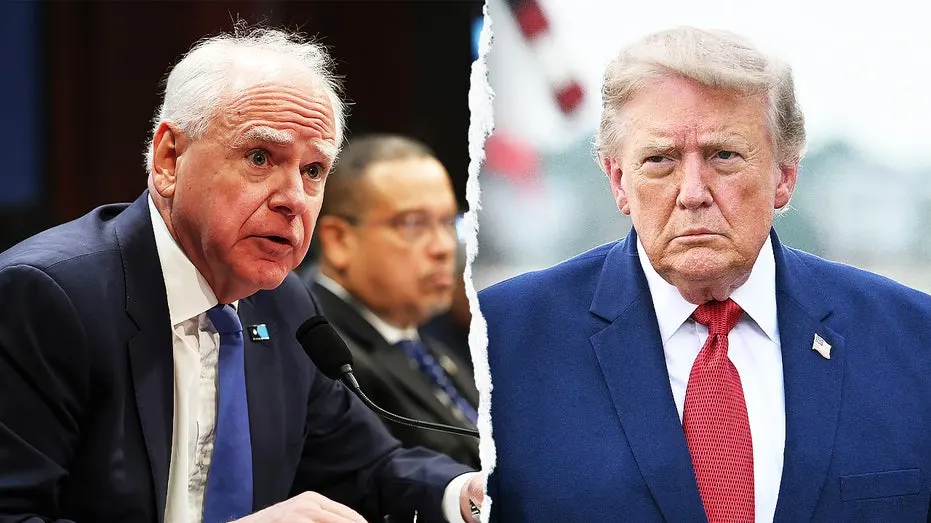
Minnesota Governor Tim Walz has issued an executive order blocking new mining permits and leases near the Boundary Waters Canoe Area Wilderness in the north-east of the state, putting him at odds with President Donald Trump's push to expand domestic production of critical minerals. Republicans, including Minnesota congressman Tom Emmer, argue the move undermines US efforts to reduce reliance on China for minerals essential to defence and technology, warning it leaves American supply chains vulnerable at a time of heightened competition with Beijing.
The order, signed on Tuesday, covers a significant area that falls partly under federal jurisdiction, raising questions about whether Walz's authority can override federal mining decisions in the region. Critics frame the dispute as part of a broader clash between the Trump administration's resource and energy agenda and Democratic-led states pursuing environmental protections, with GOP figures suggesting the practical effect will be to hand China a strategic advantage in the minerals race.
In short
- Walz blocked mining permits near Minnesota's Boundary Waters Wilderness.
- Move defies Trump's push for domestic critical mineral production.
- Republicans warn the decision benefits China and weakens US defence supply chains.
Steelman: both sides, in good faith
The strongest fair case each way — we don't pick a winner.
The case for
Proponents of expanded domestic mining argue that US strategic autonomy and national security depend on reducing reliance on Chinese-controlled critical mineral supplies, particularly given escalating geopolitical tensions. They contend that minerals extracted domestically strengthen American defence capabilities, technology manufacturing, and supply chain resilience, making the economic and security benefits substantial enough to justify limited environmental disturbance in designated areas.
The case against
Environmental advocates and those supporting the governor's order emphasise that the Boundary Waters represents an irreplaceable and ecologically pristine region whose long-term environmental integrity cannot be restored once compromised by extraction. They argue that policymakers should first exhaust alternatives such as advanced recycling programmes, demand reduction through efficiency, and diversified international partnerships before sacrificing unique wilderness areas, and question whether this particular mining is genuinely essential to meeting mineral needs.
Explained simply
The Boundary Waters Canoe Area Wilderness is a protected region of lakes and forests in north-eastern Minnesota, near the Canadian border. The surrounding area has deposits of minerals such as copper and nickel, which are used in products including batteries, electronics and some military equipment.
The US imports many minerals it needs, and China is a major supplier and processor of them. US officials across both parties have supported expanding domestic supplies, though proposals to mine near protected lands have raised concerns about environmental effects.
Minnesota is a US state, led by Governor Tim Walz, while the federal government is led by President Donald Trump. State and federal powers can overlap on land and mineral rights, so disputes about mining there involve both environmental rules and questions about which level of government can make decisions.