Technology news and discussion on TalkFuse.
Waymo has designed a robocar chip to stay ahead of Tesla
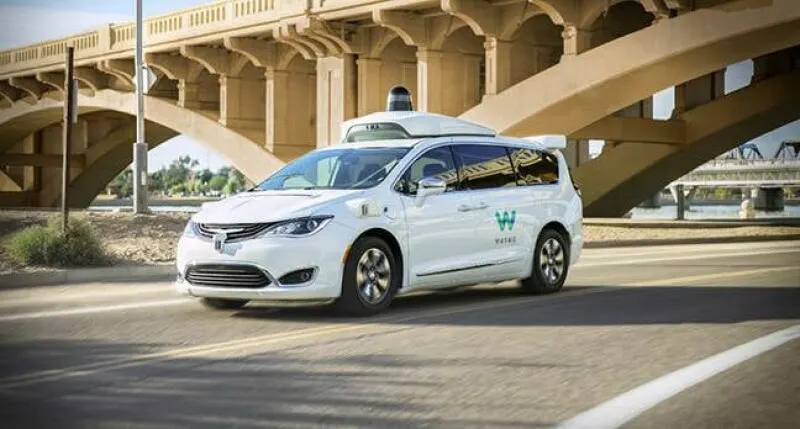
Waymo has developed its own custom AI chip for its self-driving vehicles, aiming to process camera data faster and more efficiently than off-the-shelf components allow. The move puts the Alphabet-owned robotaxi firm alongside rivals such as Tesla in designing bespoke silicon for autonomous driving, reflecting the industry's push for lower latency and greater reliability as vehicles must interpret sensor data and react within milliseconds to stay safe.
Built on TSMC's 5-nanometre process, the chip is designed to run both conventional convolutional neural networks and transformer-based models, and its design draws on more than 200 million miles of Waymo's driving data. The company says it can deliver over 1,000 TOPS of AI performance, replacing the Intel FPGAs it previously relied on for sensor processing. Each vehicle carries two of the ASICs for redundancy, with liquid cooling shared with the car's own cooling system, and Waymo is expected to reveal further details at the Hot Chips conference next week.
In short
- Waymo built its own AI chip for self-driving cars, replacing Intel FPGAs
- Chip offers over 1,000 TOPS, built on TSMC's 5nm process
- Dual chips per vehicle provide redundancy; more details due at Hot Chips
Explained simply
Waymo is Alphabet’s self-driving taxi company. Its cars use cameras and other sensors to detect what is around them, then software works out how to steer, slow down or stop. This has to happen quickly because the cars share roads with people and vehicles.
A chip is a small electronic component that carries out computing tasks. Companies can use standard chips or design their own; custom chips can be tailored to the demands of self-driving software. Tesla is another company that develops technology for its own autonomous vehicles, and Waymo’s approach reflects a wider effort in the industry to process driving information quickly and reliably.