We love Badenoch’s Kemistry but not the Tories: Leader’s challenge laid bare as poll shows just a third of her fans also back ‘M&S’ Conservatives
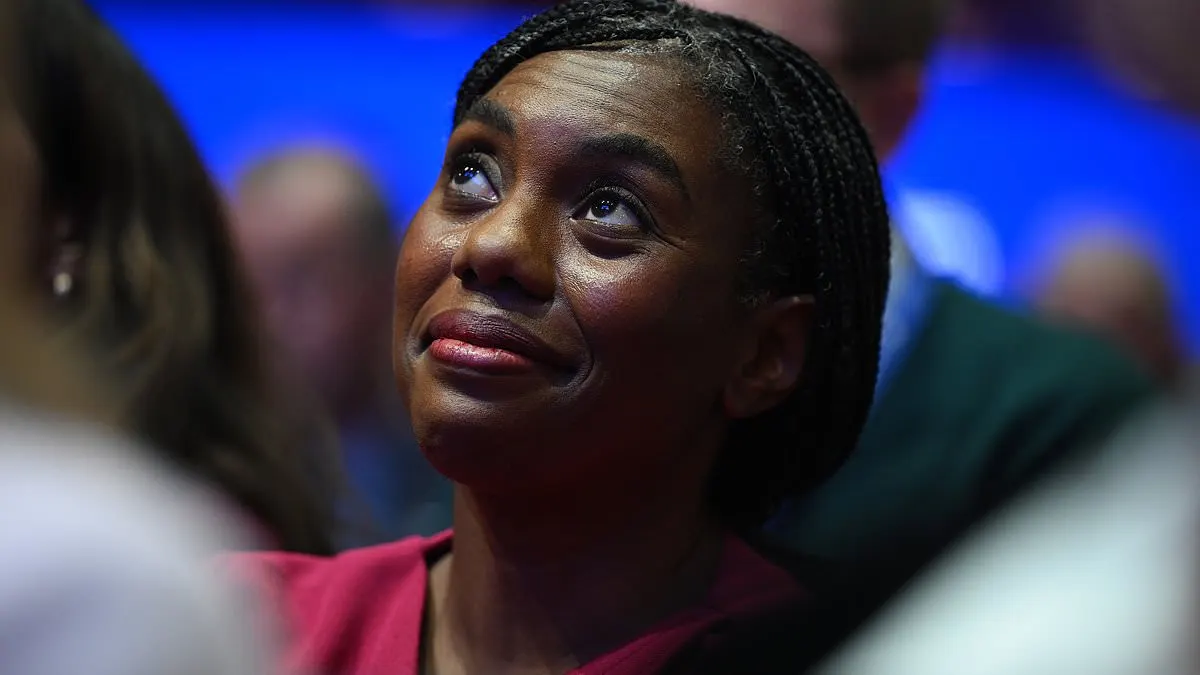
A More in Common poll suggests Kemi Badenoch’s growing personal appeal has yet to translate into broad Conservative support: only about a third of people who say they like her would vote for the party. The findings point to a challenge for the Conservatives in expanding beyond a base concentrated among affluent older voters, although a possible general election is being discussed.
The poll found the Conservatives lead among shoppers at Marks & Spencer and Sainsbury’s, and among people aged over 75. More in Common said 44 per cent of voters would consider backing the party, split roughly between people currently supporting Labour, the Liberal Democrats or Greens and those backing Reform or Restore. Badenoch says the party is preparing for an election, while Conservative frontbenchers have suggested a snap vote is unlikely.
- Badenoch’s personal appeal is not yet translating into broad Tory support.
- Only around one in three of her fans would vote Conservative.
- 44 per cent say they would consider backing the party.
New here? Start with this
Kemi Badenoch is the leader of the Conservative Party, and the party is preparing for a potential general election. Badenoch has become increasingly popular with voters in recent months.
A poll by More in Common has examined public support for both the Conservative leader and the party. The research found that only about a third of voters who view Badenoch positively would vote Conservative.
The Conservatives' current support is concentrated among affluent older voters. To win a general election, the party would need to expand its appeal to younger and less wealthy voters.
Both sides, in good faith
The strongest fair case each way — we don't pick a winner.
The case for
Badenoch's personal popularity represents a genuine breakthrough for the Conservatives after a difficult period. The polling shows 44 per cent of voters would consider supporting the party, with potential across different voter groups currently backing Labour, the Liberal Democrats, Greens and Reform. If the party can leverage its leader's appeal through clear policy messaging and demonstrate competence, there is real scope to recapture lost ground. The strength among certain demographics provides a foundation from which to build outward.
The case against
The gulf between personal approval of Badenoch and willingness to vote Conservative reveals the depth of damage to the party's brand. That two-thirds of people who like Badenoch still won't vote Tory suggests the problem is systemic—voters have simply lost faith in the party regardless of leadership. The concentration of support among older, affluent shoppers indicates the Conservatives are becoming increasingly narrow and unrepresentative, not a broad church. This isn't an opportunity; it is evidence of structural decline that no individual leader can remedy.