
‘Westworld’ Is Still a Masterpiece, but It Should Have Been Cancelled Sooner
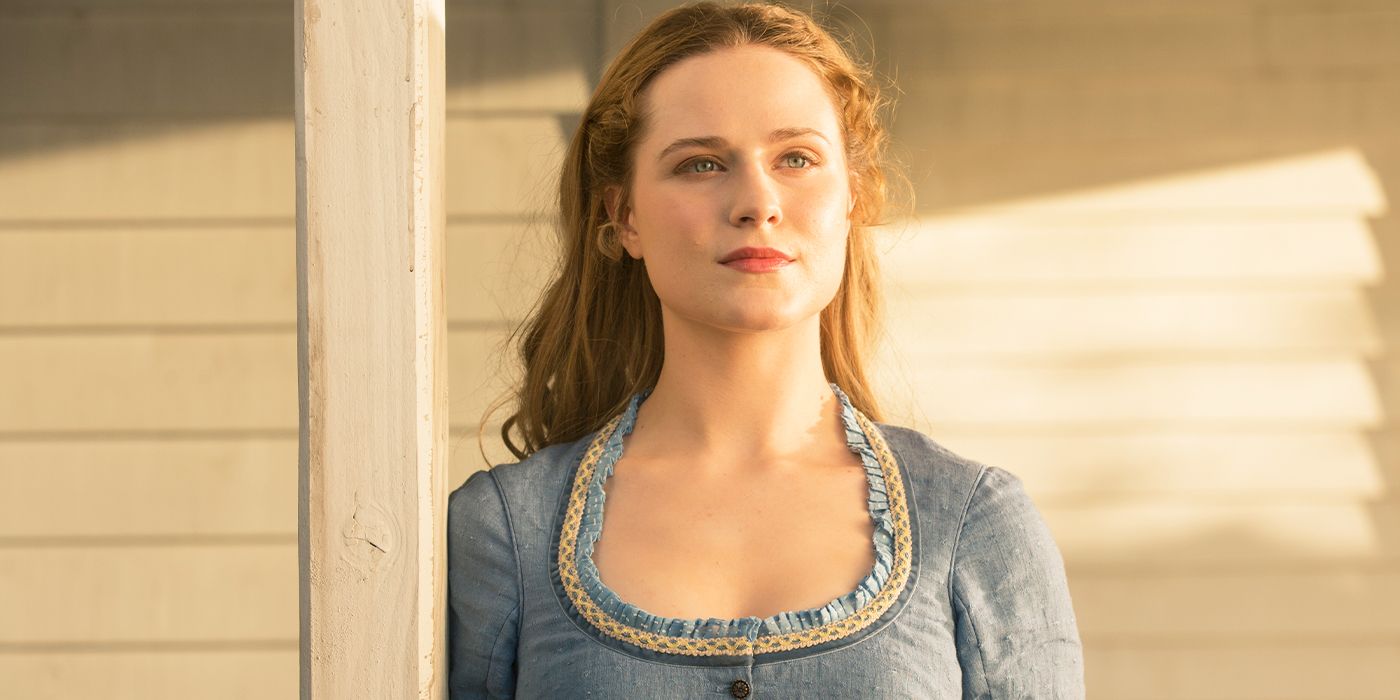
HBO's cancellation of Westworld sparked fan frustration given that series creators Jonathan Nolan and Lisa Joy had mapped out a definitive fifth season finale. However, from a financial perspective, the cancellation made sense: production expenses were substantial whilst the audience had eroded significantly since the show's 2016 debut. The network faced a legitimate trade-off between completing an ambitious vision and managing the show's deteriorating viewership and budget constraints.
The critic's central argument is that Westworld achieved narrative perfection within its opening season, which examined themes of consciousness, oppression, and moral awakening through tightly woven character trajectories. She contends that subsequent seasons devolved into confusion and lost the thematic clarity that defined the premiere, implying the show should have concluded at its peak rather than continue declining for three additional seasons. This framing reframes the early cancellation as potentially merciful, suggesting even an unfinished arc would have been preferable to prolonged creative deterioration.
- HBO cancelled Westworld after season 4 despite creator plans for a fifth season; the decision was justified by mounting production costs and shrinking audience viewership
- Season 1 was a self-contained narrative exploring consciousness and liberation through interconnected character arcs that worked perfectly as a complete story
- Subsequent seasons undermined the quality of the original, suggesting the series declined when extended beyond its natural conclusion