What are the benefits of having a second monitor?
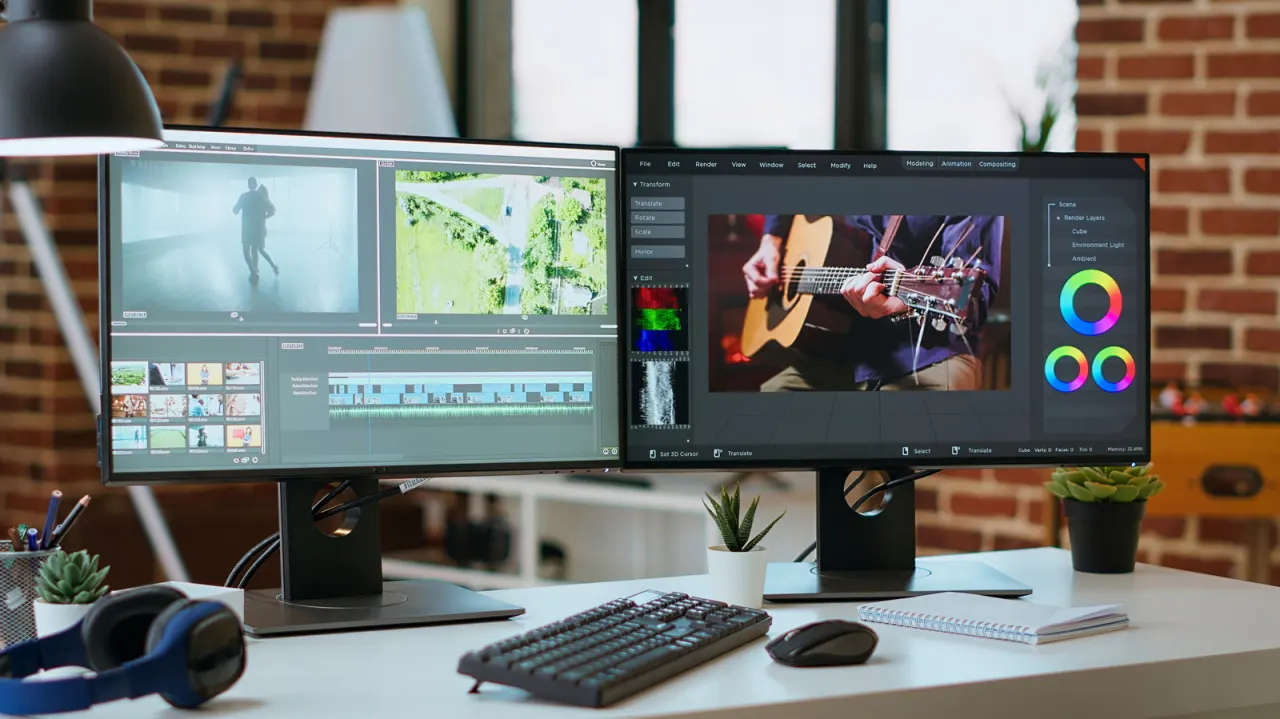
A second monitor gives you more room to keep apps and documents visible at once, reducing the need to switch between tabs and windows. The setup can help with everyday multitasking as well as specialist work, gaming and video calls, and may improve productivity and satisfaction.
Two screens can support tasks such as comparing documents, researching while writing, keeping email or chat visible, or taking notes during a call. Most people may find two monitors sufficient, while some traders or programmers use three or four. A second screen need not be high-end, but matching size and pixel density can make the displays feel consistent; users also need suitable video outputs, cables and a well-positioned mount.
- Two monitors make it easier to keep several tasks visible.
- They can help with office work, calls, creative tasks and gaming.
- A budget second display may be enough if it is set up well.
New here? Start with this
A second monitor is an additional display screen connected to your computer alongside your main monitor. It provides extra screen space to keep multiple applications, windows and documents visible at the same time, rather than having to switch between tabs or minimise windows to see different content.
Many professionals and regular users find a second screen helpful for multitasking. For example, you might compare two documents side by side, research on one screen whilst writing on another, or keep email and chat notifications visible whilst working on your main task. Video calls, gaming and specialist work like trading or programming can also benefit from the extra space.
Setting up a second monitor requires suitable video outputs on your computer, appropriate cables and a way to position both screens comfortably. Whilst a second screen need not be expensive or high-end, matching the size and image quality of your existing monitor can create a more seamless experience.