What is analog TV and how is it different from digital TV?
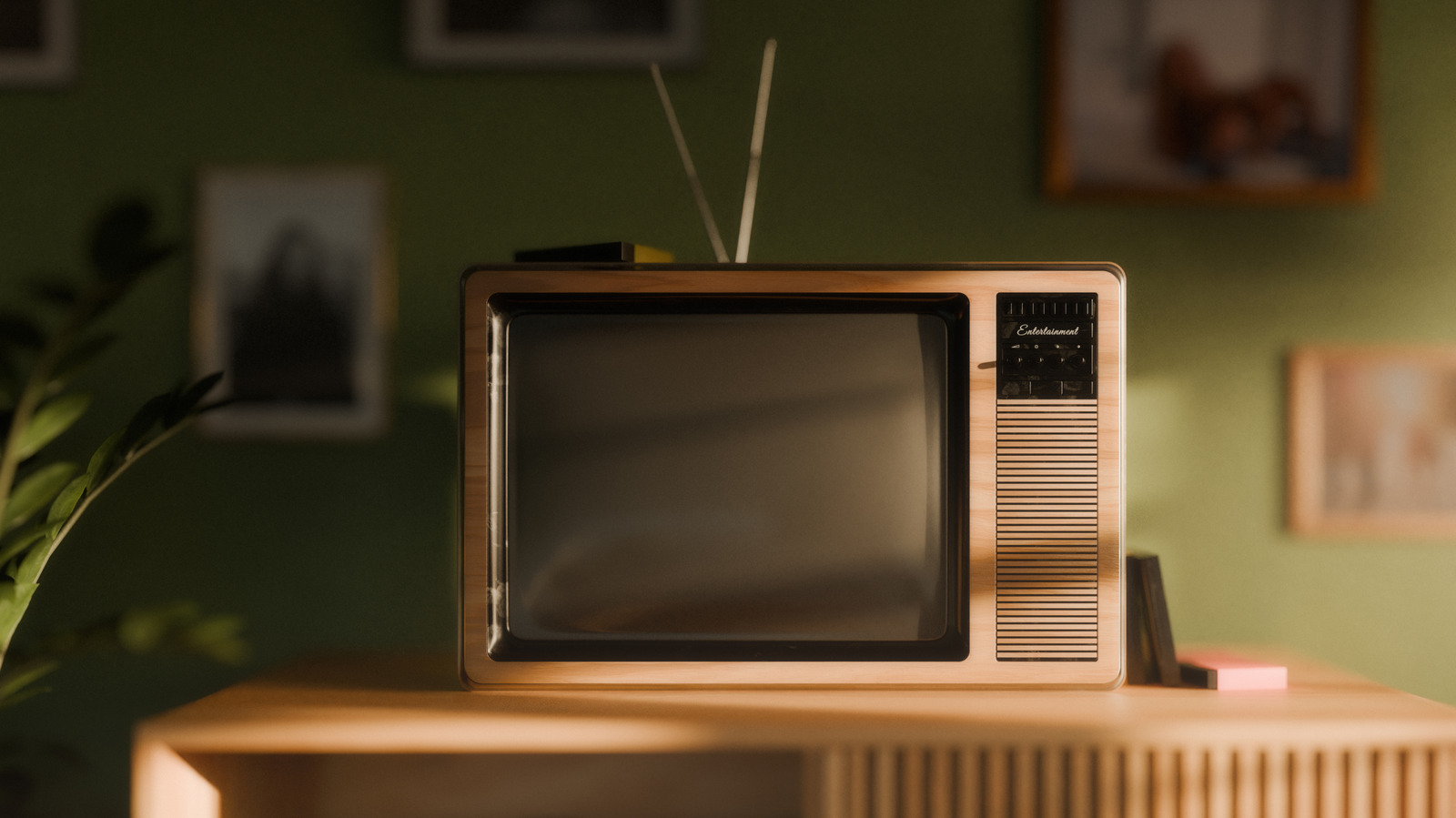
Analog television sends picture and sound as continuous radio signals over VHF and UHF frequencies, received through aerials or carried via analogue cable. It dominated television for roughly six decades, but digital broadcasting replaced it in the US by 2009, bringing clearer, more reliable pictures and enabling high-definition services.
An analogue camera converts light into electrical pulses, arranging them into image rows with synchronisation signals that tell a television when and where to draw each frame; sound is transmitted separately. The article places this shift alongside the current move towards NextGen TV (ATSC 3.0), which promises features such as 4K and improved audio but has prompted concerns that free television access could be reduced for some viewers.
- Analogue TV used continuous radio signals for picture and sound.
- Digital TV replaced US analogue broadcasting in 2009.
- NextGen TV may bring improvements but raises access concerns.